تمت ترجمة هذا النص بواسطة الذكاء الاصطناعي وقد يحتوي على أخطاء.
تخطي إلى المحتوى

الأبحاث والتعليقات

اقرأ الأبحاث والتحليلات والتعليقات المتعمقة من زملاء وخبراء معهد الشرق الأوسط عن الشرق الأوسط. 

Trump, Syria, and the Hizballah Question
  • Podcast
  • Trump, Syria, and the Hizballah Question

    US President Donald Trump recently proposed that Syria intervene militarily against Hizballah in Lebanon. Is that a good idea? This episode of Middle East Focus features a recent MEI Virtual Briefing. Director of Communications Zeina Al-Shaib is joined by Ambassador David Hale, MEI Distinguished Diplomatic Fellow and Charles Lister, MEI Senior Fellow. Together they examine the prospects and implications of renewed Syrian involvement in Lebanon, the potential impact on US relations with both countries, and how evolving dynamics in Lebanon and Syria could reshape the regional balance of power and affect countries such as Turkey and Israel.

    July 9, 2026

    Trump’s Family Business Deals Risk Further Undermining the Credibility of US Middle East Policy
  • التحليل
  • Trump’s Family Business Deals Risk Further Undermining the Credibility of US Middle East Policy

    President Trump’s family businesses are once again in the spotlight as a new financial disclosure showed they earned $2 billion in income in 2025 — a dramatic increase on the year before, with much of it coming from Gulf entities, raising emoluments concerns. Mounting perceptions of corruption, combined with unresolved crises in Iran and Israel-Palestine, are eroding trust among key partners in the Middle East. With the 2026 midterms approaching, these entanglements could represent a major political vulnerability and further undermine America’s already-strained standing in the region.

    Do the Gulf States Need a New Playbook?
  • Podcast
  • Do the Gulf States Need a New Playbook?

    After the US-Israel-Iran war — and the strikes that followed the cease-fire — the Gulf states find themselves dangerously exposed. Host Alistair Taylor is joined by MEI Associate Fellow Gregory Gause to discuss the war’s impact on the Gulf, their partnership with the United States, and whether the turmoil of recent months will push Gulf leaders to reassess their alliances and international engagement.

    July 2, 2026

    Additional Research & Commentary

    معلومات أساسية

    The Houthis
  • معلومات أساسية
  • The Houthis

    The Houthis are a political-military faction and Zaydi religious movement founded in northwestern Yemen in the 1980s. A key member of Iran’s Axis of Resistance with links to other militant organizations in the Arabian Peninsula and the Horn of Africa, the group has continued to pose a threat to Western interests on a global scale.

    May 15, 2026

    The Abraham Accords
    الصورة من تصوير أليكس وونغ/Getty Images
  • معلومات أساسية
  • The Abraham Accords

    تقدم هذه الوثيقة المعلوماتية لمحة عامة عن كيفية التوصل إلى اتفاقيات أبراهام، والمصالح الأمريكية المعنية، وعواقبها الاقتصادية والاستراتيجية، وآفاق التوسع في المستقبل.

    17 نوفمبر 2025

    Turkish Foreign Policy
  • معلومات أساسية
  • Turkish Foreign Policy

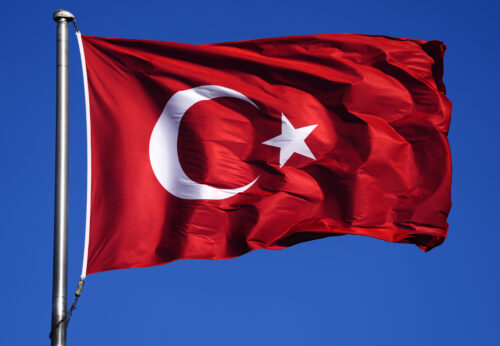
    After a decade of post-Arab Spring isolation, Turkey’s leaders have recognized that their ambition to position the country as an agenda-setter on the world stage requires active engagement in all directions. President Recep Tayyip Erdoğan’s consolidation of executive authority has centralized foreign policy decision-making and tied it to his domestic political priorities, transforming the country’s revisionist approach to one shaped primarily by personal and pragmatic interests.

    April 23, 2026

    الصحراء الغربية: لماذا لا يزال الصراع مهمًا
  • Video
  • الصحراء الغربية: لماذا لا يزال الصراع مهمًا

    مع دخول نزاع الصحراء الغربية عقده الخامس، لا يزال النزاع الإقليمي دون حل وغير معروف إلى حد كبير. تحلل إنتصار فقير من معهد الشرق الأوسط (MEI) التاريخ المعقد للصحراء الغربية والمطالبات المتنافسة من قبل المغرب والجمهورية العربية الصحراوية الديمقراطية. وتبحث في التطورات الأخيرة، مثل اعتراف الرئيس ترامب بسيادة المغرب على الإقليم وانهيار وقف إطلاق النار الذي دام 30 عامًا، بالإضافة إلى الأسئلة الجوهرية التي لا تزال دون إجابة بعد نصف قرن.

    7 أغسطس 2025

    المدونات الصوتية

    التركيز على الشرق الأوسط

    البودكاست الأسبوعي الرائد لمعهد الشرق الأوسط حول السياسة الخارجية الأمريكية والقضايا السياسية والاجتماعية المعاصرة في الشرق الأوسط.

    إزالة الحافة من الشرق الأوسط

    براين كاتوليس، زميل أول في معهد الشرق الأوسط كاتوليس يشارك الأصدقاء والزملاء وخبراء السياسة في محادثات غير رسمية حول أهم الأحداث في الشرق الأوسط. 

    إعادة التفكير في الديمقراطية

    زميل أول في معهد الشرق الأوسط غونول تول تستضيف كبار العلماء وقادة الفكر حول اتجاهات الديمقراطية العالمية وحالة النظام الدولي الليبرالي. 

    تصفية حسب
    8749 Results
    Potentials and Challenges in the Iranian Oil and Gas Industry
    معهد الشرق الأوسط
  • التحليل
  • Potentials and Challenges in the Iranian Oil and Gas Industry

    Thirty years after the revolution, Iran’s hydrocarbon industry is facing new opportunities and challenges. This essay attempts to evaluate the future of Iran’s oil and gas sector in view of changing circumstances in the oil and gas industry and the barriers to Iran taking full advantage of its potentials.

    January 29, 2009

    Iran's Foreign Policy and the Iran-Pakistan-India Gas Pipeline
    معهد الشرق الأوسط
  • التحليل
  • Iran's Foreign Policy and the Iran-Pakistan-India Gas Pipeline

    Shortly after the revolution in 1979, Iran somewhat irrationally distanced itself from the international community. Partly because of revolutionary fervor, Iran initially made itself vulnerable. The American hostage crisis and the eight-year war with Iraq exposed Iran to economic hardship and international isolation.

    January 29, 2009

    The European Union and Iran
    معهد الشرق الأوسط
  • التحليل
  • The European Union and Iran

    European governments initially reacted to Iran’s Islamic revolution by a careful testing of the ground with the new regime. But relations deteriorated quickly, as Iran accused some European countries of siding with Iraq in the Iran-Iraq War and Iranian agents killed Iranian opposition figures in European capitals.

    January 29, 2009

    Iran and Saudi Arabia: Eternal "Gamecocks?"
  • التحليل
  • Iran and Saudi Arabia: Eternal "Gamecocks?"

    Almost immediately after the triumph of the Islamic revolution, Ayatollah Khomeini and the new Iranian leadership turned against Saudi Arabia and its ruling family.

    January 29, 2009

    Iran and France: Shattered Dreams
    معهد الشرق الأوسط
  • التحليل
  • Iran and France: Shattered Dreams

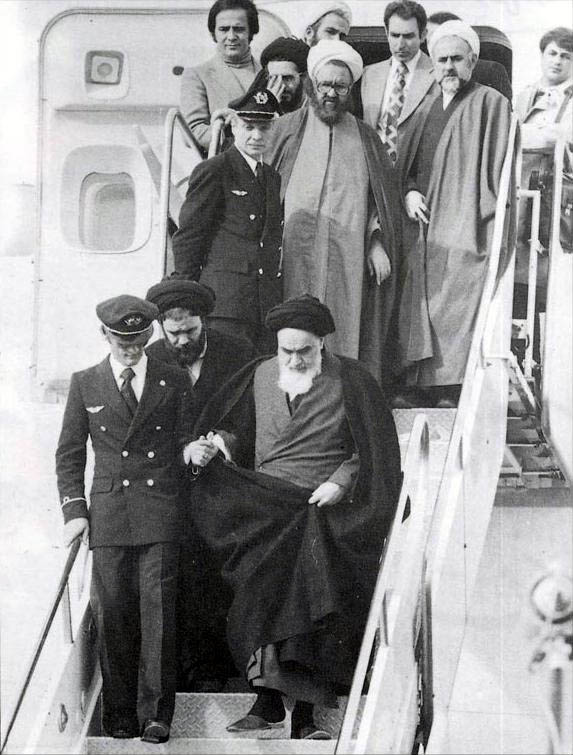
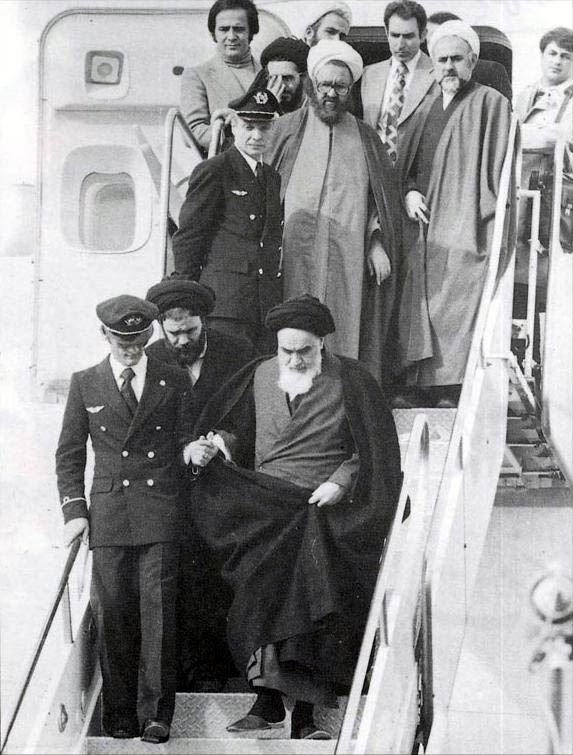
    When Iran’s 1979 revolution took place, many Iranians predicted that relations between Iran and France would improve in an unprecedented way. Ayatollah Ruhollah Khomeini, the founder of the Islamic Republic, spent the last four months of his 14-year in exile in France. The revolutionaries in Tehran lauded French leaders for being hospitable toward their spiritual leader. They had no hatred of France, which lacked colonialist aspirations regarding Iran.

    January 29, 2009

    The Spectrum of Perceptions in Iran's Nuclear Issue
    معهد الشرق الأوسط
  • التحليل
  • The Spectrum of Perceptions in Iran's Nuclear Issue

    The relationship between Iran and the West has been marked by mutual mistrust and confrontation for the past 30 years. Iran’s nuclear standoff with Western countries is currently regarded as the main symbol of that confrontational relationship. Iran insists that its nuclear program is exclusively peaceful, while Western countries are suspicious of Tehran’s intentions. There are polarized and incompatible views about this complicated and multidimensional issue. The main source of incompatibility is that this issue is seen from different perspectives.

    January 29, 2009

    Iran's Islamic Revolution and Its Future
    معهد الشرق الأوسط
  • التحليل
  • Iran's Islamic Revolution and Its Future

    As one of the most important events of the past three decades in the Middle East, the Islamic Revolution not only has sustained itself, but the Islamic Republic which it spawned celebrated its 30th anniversary in February 2009.

    January 29, 2009

    The Iranian Revolution of February 1979
  • التحليل
  • The Iranian Revolution of February 1979

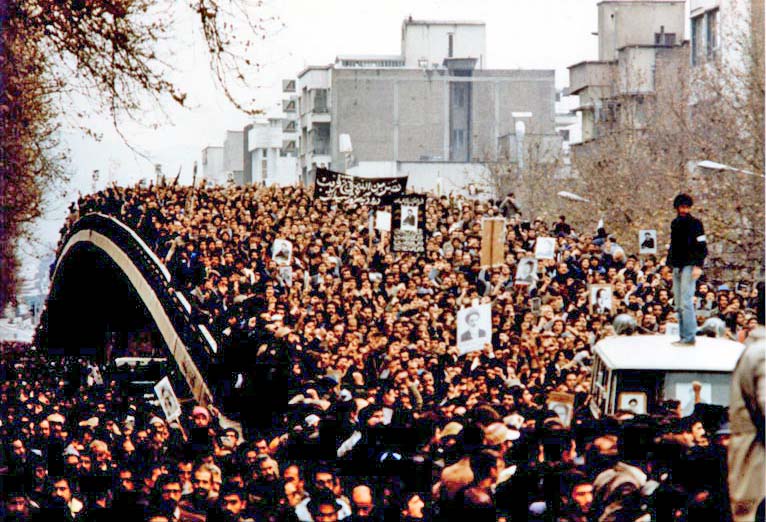
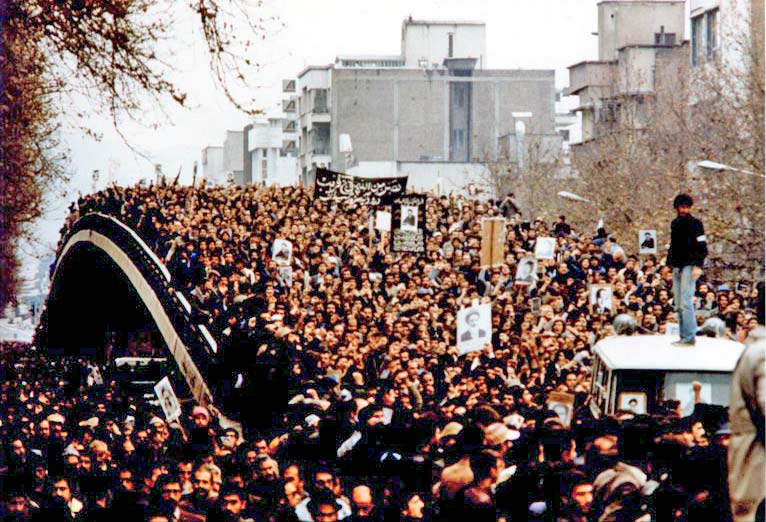
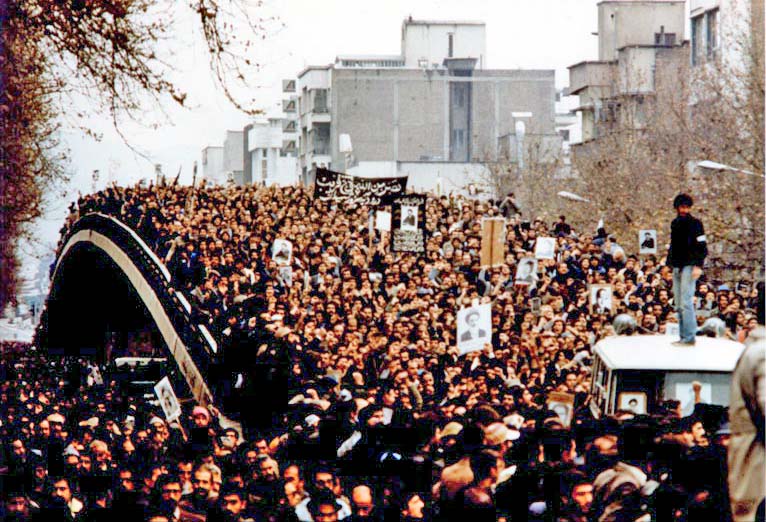
    The revolution of February 1979 was a revolt of the society against the state. In some of its basic characteristics, the revolution did not conform to the usual norms of Western revolutions, because the state did not represent just an ordinary dictatorship but an absolute and arbitrary system that lacked political legitimacy and a social base virtually across the whole of the society.

    January 29, 2009

    Water Issues in the Gulf: Time for Action
  • التحليل
  • Water Issues in the Gulf: Time for Action

    Originally posted January 2009

    The Arab world, especially the Gulf countries, face many environmental threats and problems such as desertification, biodiversity loss, marine and coastal areas pollution, air pollution, and water scarcity and quality. Beside these traditional environmental threats, various other environmental problems have begun to emerge in the last few years, related to military conflicts, construction and demolition debris, and climate change.

    January 1, 2009

    Architecture and Urbanism in the Middle East
    معهد الشرق الأوسط
  • التحليل
  • Architecture and Urbanism in the Middle East

    MEI´s special edition of Viewpoints on “Architecture and Urbanism in the Middle East” is an opportunity to celebrate the beauty, diversity, and vitality of the built environment of the region. It is also an opportunity to consider the challenges facing architects, designers, and developers in their efforts not only to preserve the rich cultural heritage of Middle Eastern cities but to shape these urban spaces in ways that address the physical and socioeconomic pressures occurring within them.

    November 6, 2008

    How the New Arab Media Challenges the Arab Militaries: The Case of the War between Israel and Hizbullah in 2006
    معهد الشرق الأوسط
  • التحليل
  • How the New Arab Media Challenges the Arab Militaries: The Case of the War between Israel and Hizbullah in 2006

    One, Two / the Arab army where are you?/ The Arab army where are you?/The Egyptian Arab Army/ resides in an-Nasr [victory] compound/ Wakes up in the afternoon/ to drink its tea/ The Gulf Arab army/ can do absolutely nothing/ “Strategic silence” indeed/ “cut us some slack, man!”/ The Tunisian Arab army/ is green like parsley/ But ‘Aziza loves Yunis/ the wars can wait/ The Sudanese Arab army/ I can hear its clamor in my ears/ “Damn it!

    September 29, 2008

    A Strong Army for a Stable Lebanon
    معهد الشرق الأوسط
  • التحليل
  • A Strong Army for a Stable Lebanon

    The trials that have faced a sovereign Lebanon as it emerges from a long and bloody civil war, as well as Syrian and Israeli occupations, have been immense. In 2008, Beirut confronted an existential challenge. After years of conflict, the vast majority of Lebanese citizens clamored for positive change to buttress the state and to facilitate prosperity.

    September 1, 2008

    The Plucky Little King Reconsidered: King Husayn of Jordan and the First Gulf War
    معهد الشرق الأوسط
  • التحليل
  • The Plucky Little King Reconsidered: King Husayn of Jordan and the First Gulf War

    The late King Husayn of Jordan, charismatic, compelling, idolized, was regarded, in his mature years, as the West’s best friend in the Arab world. A perspective assessment over the length of his reign, and particularly during the first Gulf War, however, reveals a far more complex figure: courageous, often wise and far-sighted, but preoccupied with lineage, haunted by ambition, and often plagued by poor judgment. During the first Gulf crisis, Husayn’s demonization of his resource-poor country’s traditional financiers, the Gulf States and Saudi Arabia, cost Jordan dearly.

    August 4, 2008

    اقرأ مجلة الشرق الأوسط

    تُعد المجلة الرئيسية لمعهد الشرق الأوسط أقدم مطبوعة محكّمة مكرّسة لدراسة الشرق الأوسط الحديث، وتغطي المجلة الرئيسية في المعهد السياسة والمجتمع والثقافة في المنطقة.