MINURSO’s Future: What the Security Council’s Choice May Reveal
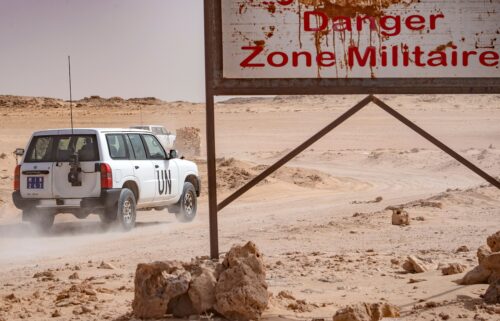
As the United Nations Security Council (UNSC) approaches the October 31 renewal deadline of the UN Monitoring Mission in Western Sahara (MINURSO), the mission’s longer-term future remains uncertain. Another largely unchanged renewal remains a likely immediate outcome. But beyond that holding pattern, three possible scenarios are also on the table.
How Lebanon can be Trump’s first success in a troubled region
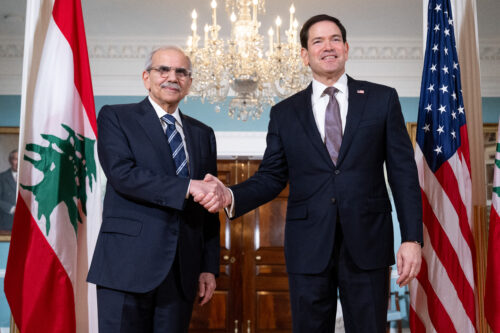
The Trump administration has done more than any of its predecessors to restore sovereignty for a much traumatized nation, Lebanon. The Israel Defense Forces’ operations in 2024 against Hezbollah decimated that organization, long the “A Team” in global terror.
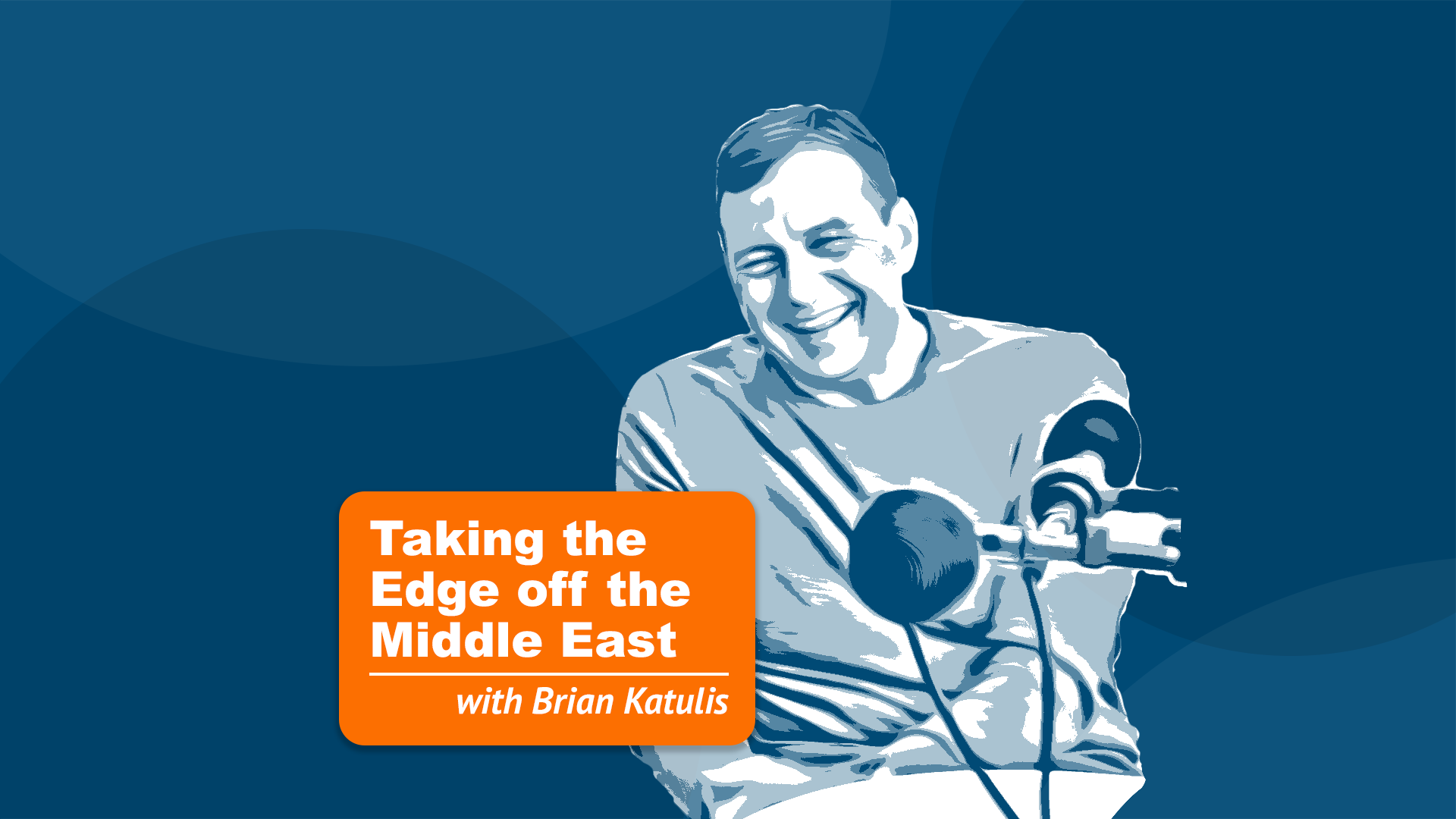
Kim Ghattas on a Murder That Explains the Middle East
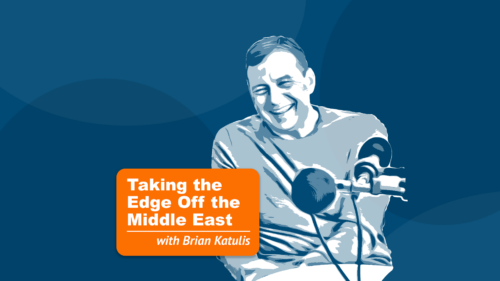
Brian sits down with author and Emmy Award-winning journalist Kim Ghattas to talk about her new book, The Best Kind of American, which tells the story of the 1984 assassination of Malcolm Kerr, then president of the American University of Beirut. They discuss her inspiration for the project, what Kerr’s murder revealed about the Middle East at the time, and why his story still resonates four decades later.
Since 1967, Israeli settlements in the West Bank have been a contested feature of the Israeli-Palestinian conflict. The ultimate disposition of the settlements and ongoing activity related to their growth have repeatedly defied agreement in negotiations over a resolution to the conflict.
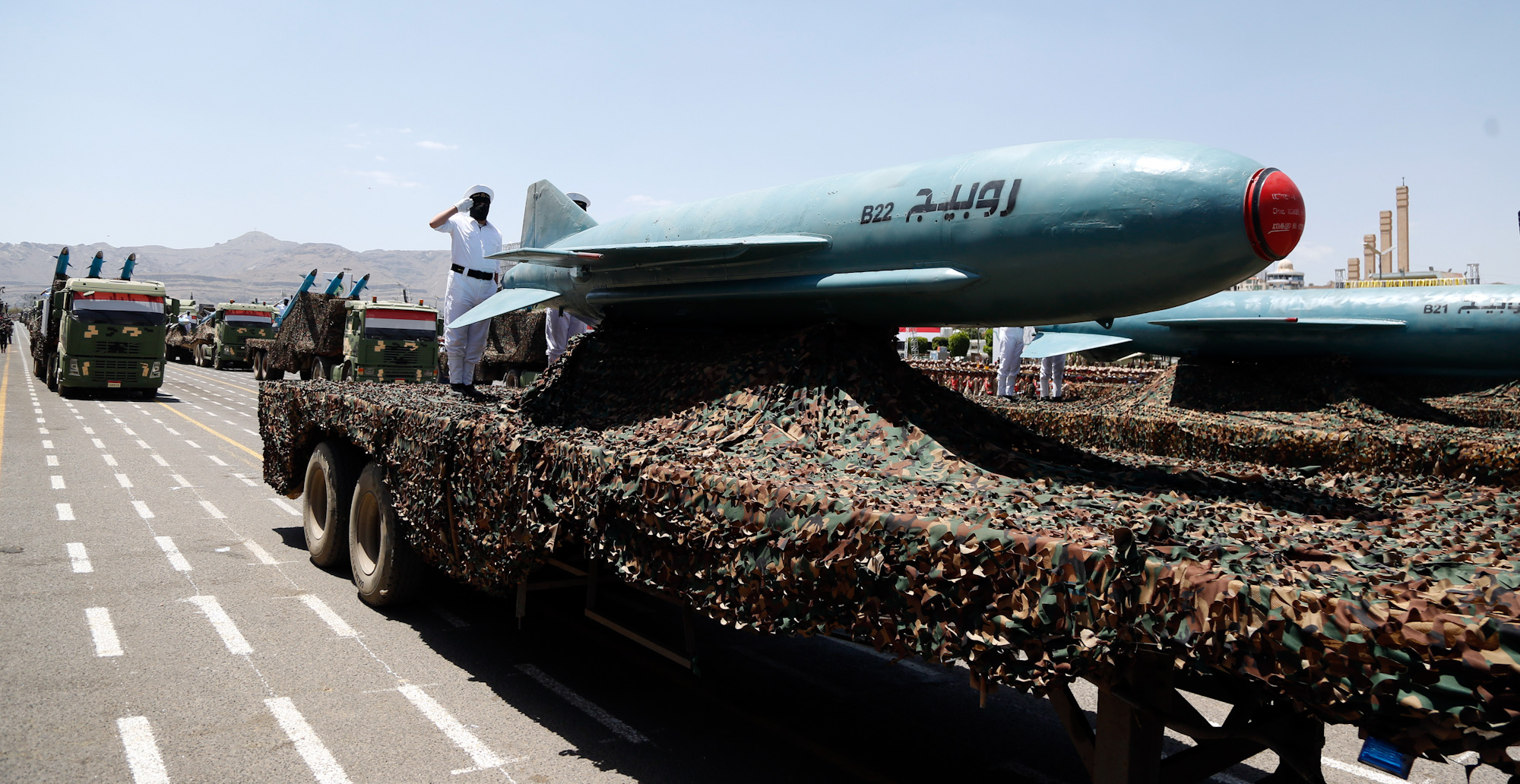
The Houthis are a political-military faction and Zaydi religious movement founded in northwestern Yemen in the 1980s. A key member of Iran’s Axis of Resistance with links to other militant organizations in the Arabian Peninsula and the Horn of Africa, the group has continued to pose a threat to Western interests on a global scale.
The India-Middle East-Europe Economic Corridor (IMEC) is a proposed multinational infrastructure initiative aimed at upgrading connectivity between the three regions through integrated trade, energy, and digital networks. Announced at the G20 summit in New Delhi in September 2023, IMEC is envisioned partially as a counterweight to China’s international infrastructure project, the Belt and Road Initiative.
After a decade of post-Arab Spring isolation, Turkey’s leaders have recognized that their ambition to position the country as an agenda-setter on the world stage requires active engagement in all directions. President Recep Tayyip Erdoğan’s consolidation of executive authority has centralized foreign policy decision-making and tied it to his domestic political priorities, transforming the country’s revisionist approach to one shaped primarily by personal and pragmatic interests.
MEI Senior Fellow Brian Katulis engages friends, colleagues, and policy experts in casual conversations on the most important happenings in the Middle East.
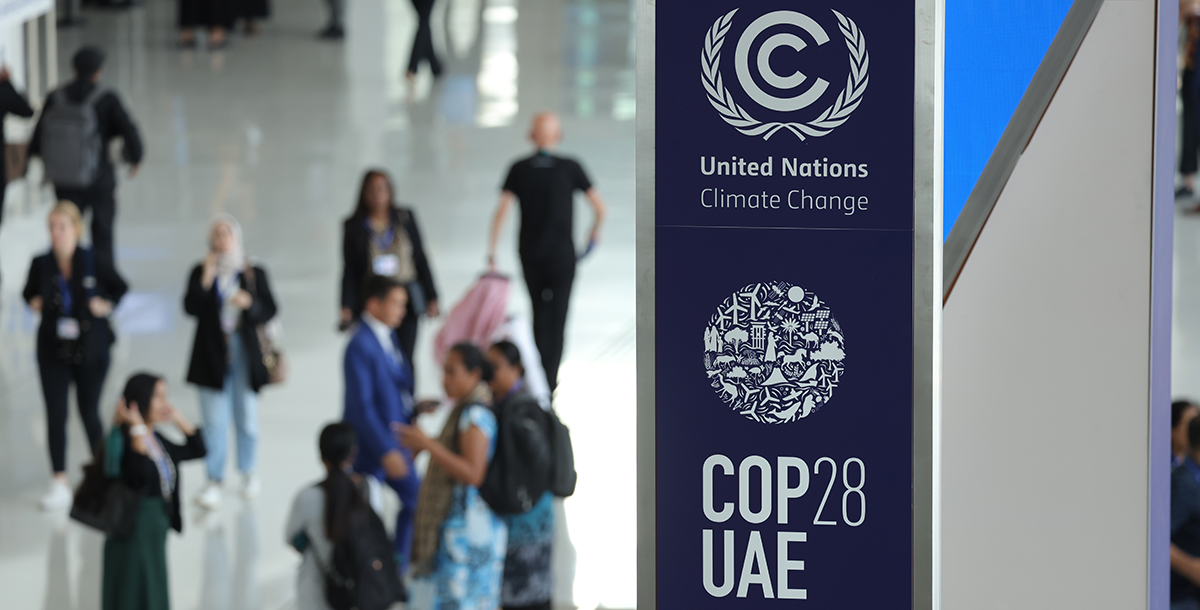
Charting the climate course: Concrete outcomes and expectations from COP28
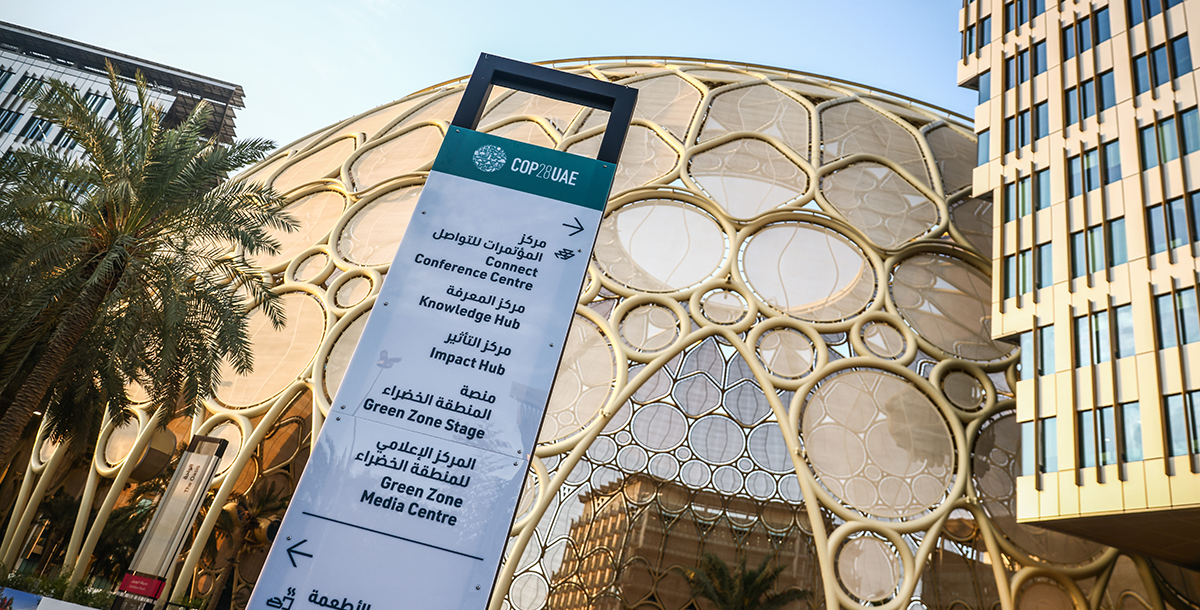
COP28 in Dubai carries a weighty set of expectations as the international community grapples with the urgent need to address the escalating climate crisis. It is anticipated to be a pivotal moment in the collective effort to mitigate climate change and adapt to its impacts.
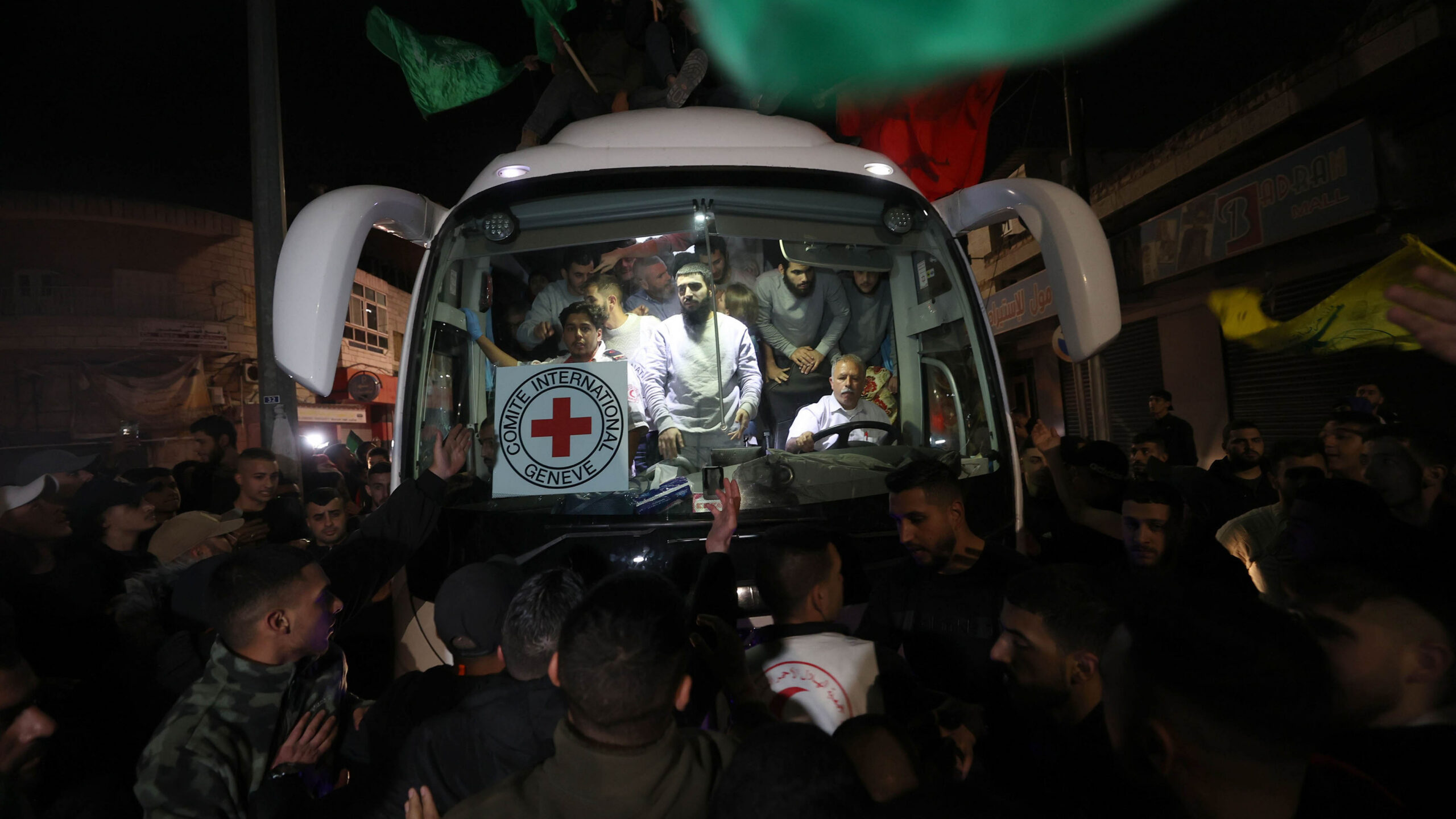
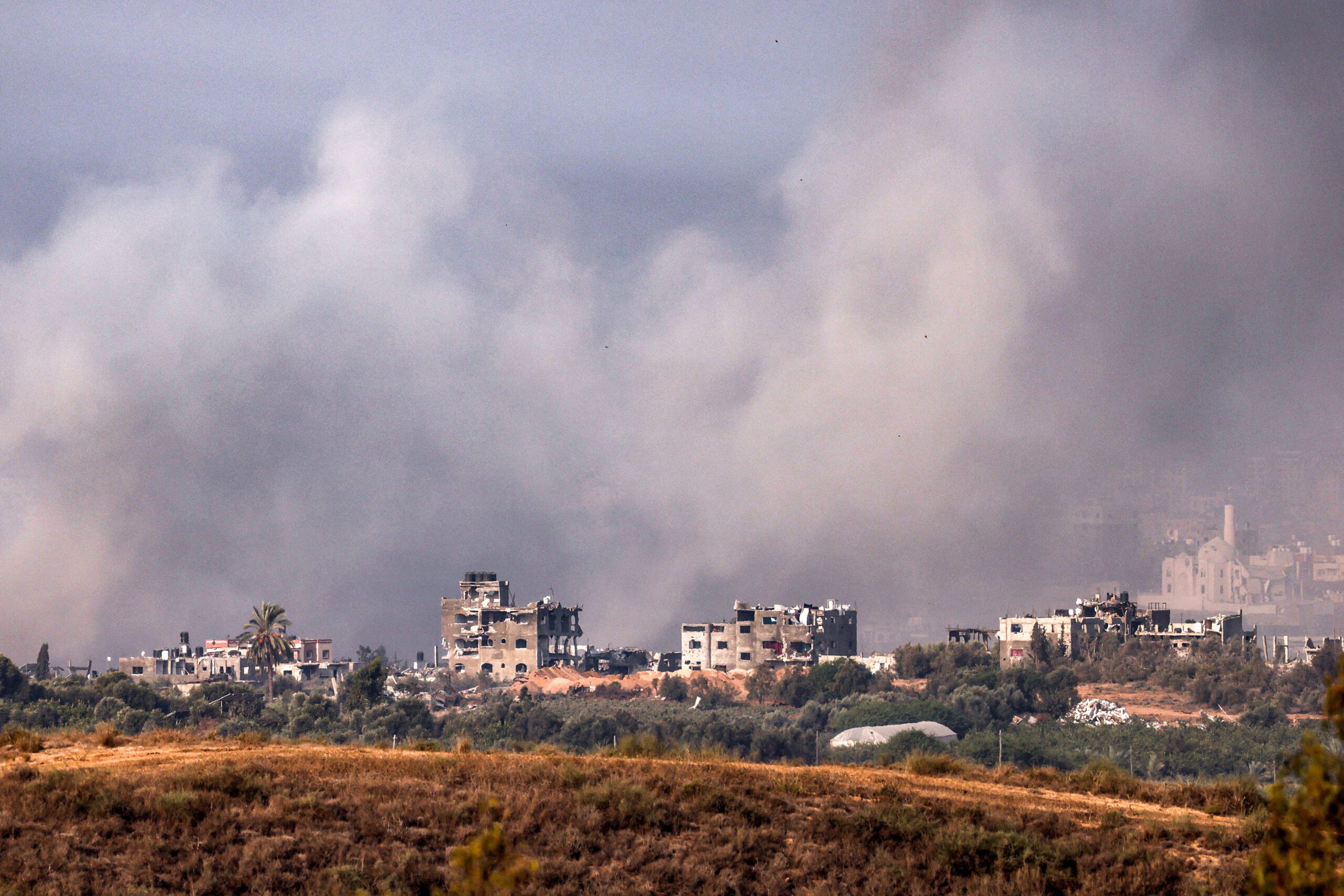
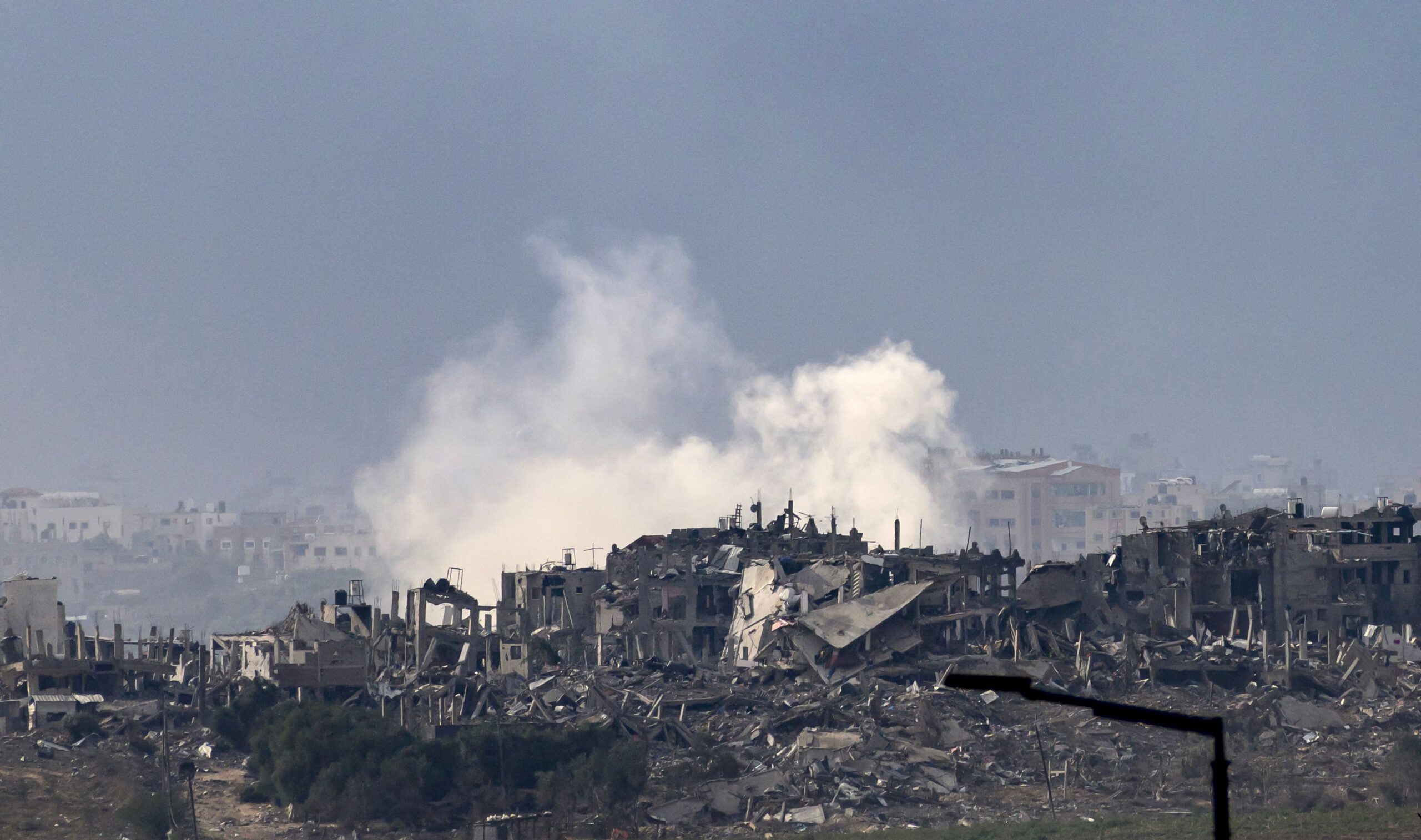
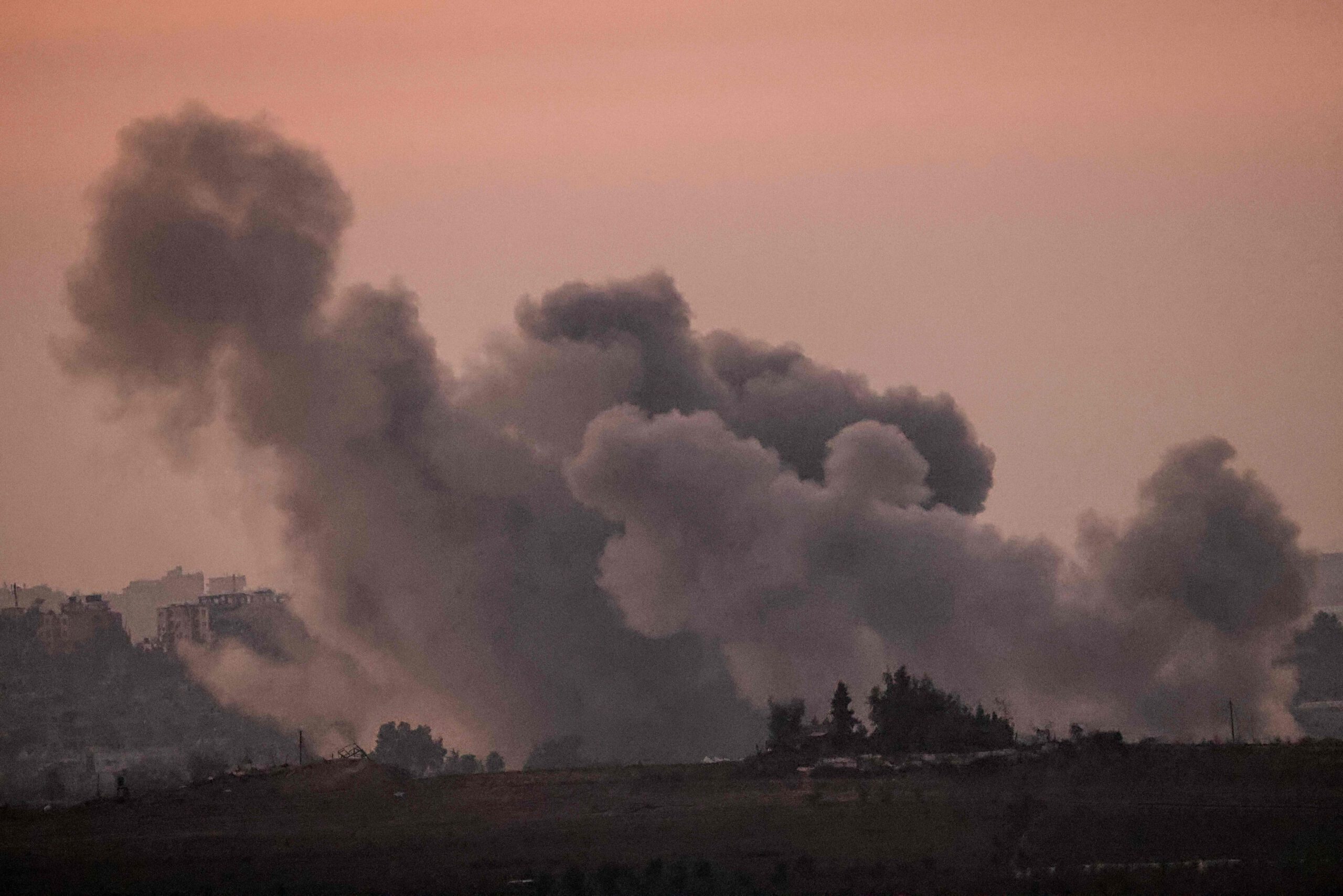
In the aftermath of the brutal Hamas terror attack Oct. 7, Israel has launched a ground invasion aimed at “eliminating Hamas.” Many of Israel’s Western allies have expressed concern about this operation given the lack of a clear plan for what will happen in Gaza after Hamas is eliminated. Prime Minister Benjamin Netanyahu said yesterday that “Israel will, for an indefinite period will have the overall security responsibility” of Gaza. President Joe Biden even said publicly on 60 Minutes that the reoccupation of Gaza would be a “big mistake.”
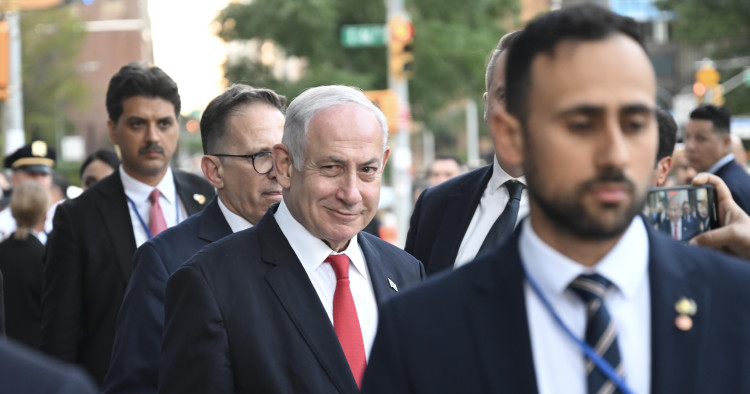
How Netanyahu could beat the odds and stay in power
There has been much speculation that the military and intelligence failure to prevent the Hamas terror attack on Oct. 7 (which became known in Israel as the “Black Shabbat”) means that Israeli Prime Minister Benjamin Netanyahu’s days in office are numbered.
But Netanyahu is signaling that he will not step down without a fight. He is preparing the ground for blaming military officials for the failure and continuing to promote the overhaul of the judiciary, which was at the center of the political debate in Israel in the months before Hamas’s attack.
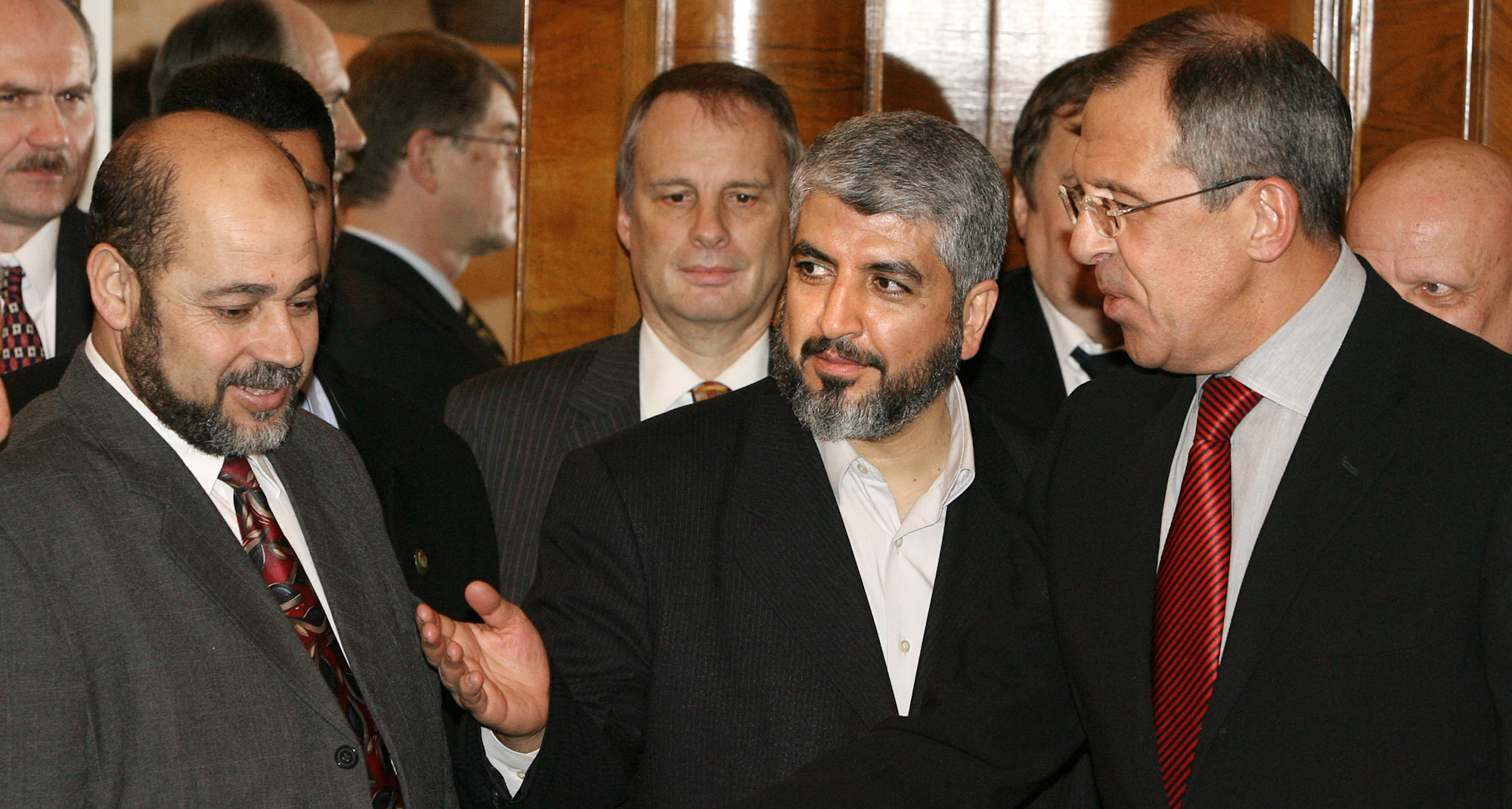
Essential questions about the Russia-Hamas link: The evidence and its implications
As the war in Gaza continues to unfold, essential questions about Russian and Iranian support for Hamas remain. They include whether Russia played any role in providing support to Hamas ahead of its Oct. 7 attack on Israel. Evidence available from foreign-language publications in Russian, Persian, Arabic, and Hebrew, as well as those in English, provides provocative leads, which, if accurate, have serious potential implications.
With COP28 set to kick off later this week at Expo City, Dubai, in the United Arab Emirates, MEI’s Mohammed Mahmoud takes a closer look at five key questions that will influence the course and outcomes of the proceedings.
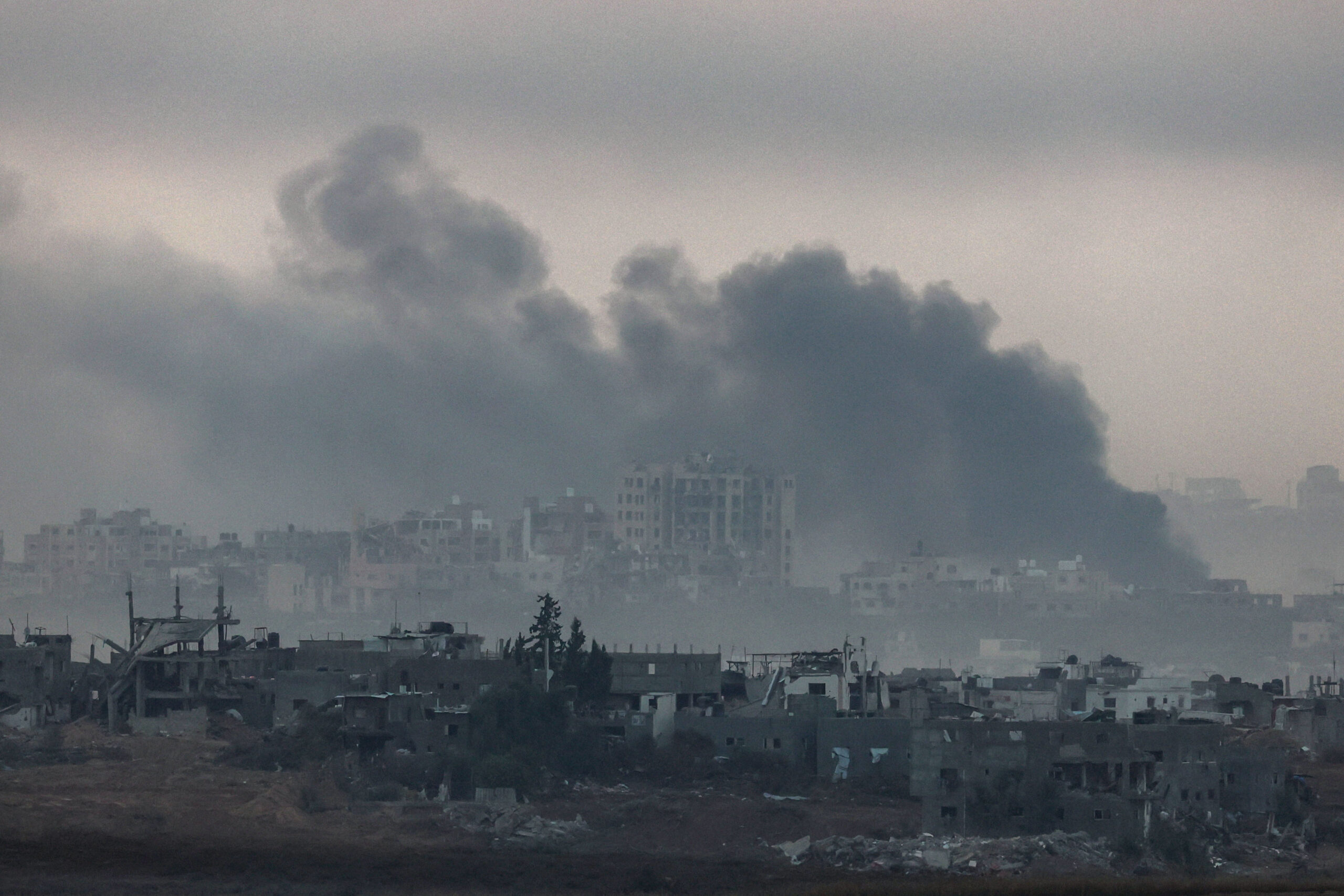
Climate casualties: How the Gaza war threatens Mideast climate action
The renewed violence in Gaza could not have come at a less opportune time for the climate agenda in the Middle East. From energy economics to environmental degradation, the ripple effects of conflict will complicate the path ahead.
After the Gaza War: The Risks of Deterrence and the Chances of Peace
Policymakers in the United States, Europe, and the Middle East are rightly focused on where the current crisis in Gaza is headed. The humanitarian disaster hovering over the region since Hamas’ October 7 attacks on Israel has resulted in countless lives lost and now threatens regional and global security. Among many of the issues occupying policymakers is the concern that new fronts in the war will open, potentially involving the West Bank, Hezbollah, the Houthis, and even Iran.
The closer Israel gets to destroying Hamas, the more likely war with Hezbollah becomes
He leads an army of more than 100,000 dedicated and battle-hardened fighters equipped with thousands of missiles, rockets, and armed drones that can hit targets deep inside Israel with pinpoint accuracy. He inspires and commands the loyalty of Iran-backed militias across the Arab world.
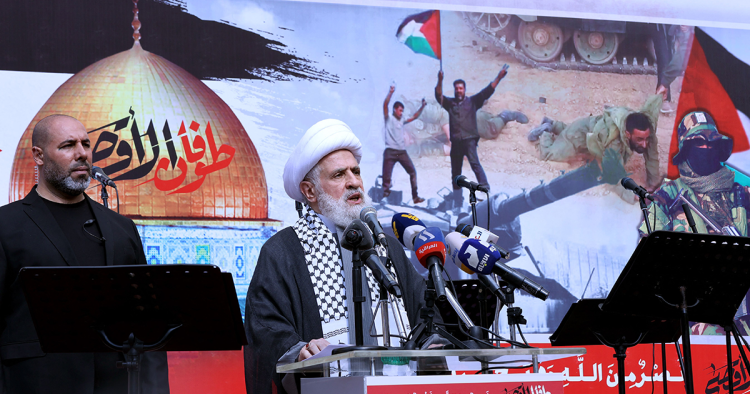
So when Hassan Nasrallah, the head of the Lebanese Hezbollah and the most powerful non-state actor in the world, says that he doesn’t wish to broaden the war in Gaza to help his Palestinian ally Hamas, the region should breathe a sigh of relief – because his words matter.
Israel’s Response to Iran in Syria: Choosing Between Escalation and Accommodation
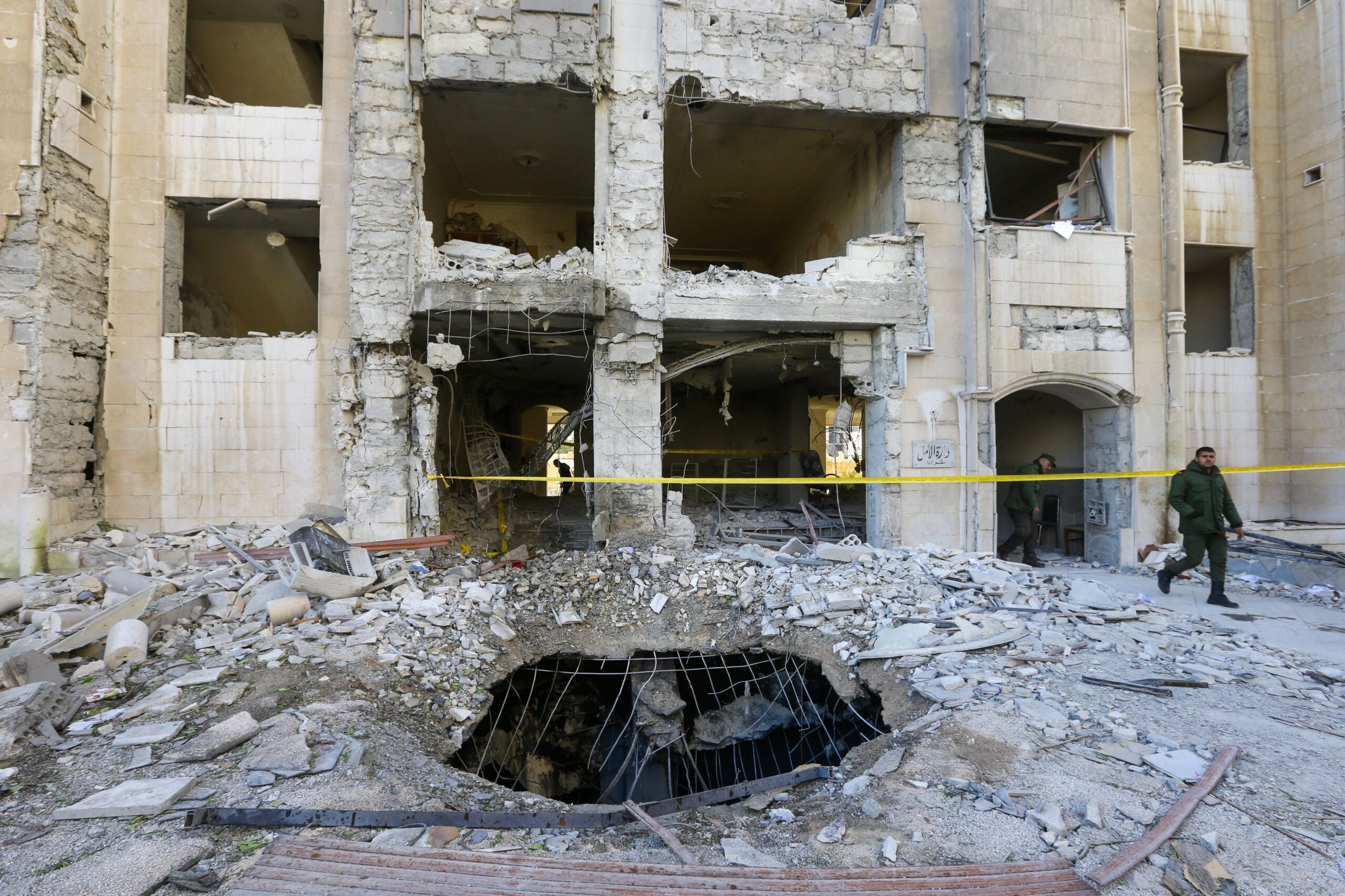
The following quantitative analysis explores the core of Israel’s strategic airstrikes in Syria between 2013 and August 2023, a critical aspect of its defense policy during this time, aimed at mitigating Iranian influence in the region and protecting its national borders.
Despite the unprecedented Israeli-Palestinian crisis, new opportunities for peace emerge
More than a month since the deadly Hamas terror attack on Israel on 7 October, Israelis are processing the horrors, working to bring home more than 200 hostages, mobilising in mass numbers to support those in need, wishing for the safe return of soldiers and reservists, and yearning for a leader who can take responsibility, show compassion, and reassure them about the future.
As talk of a revived Israeli-Palestinian political process grows, the Abraham Accords partners must play a role
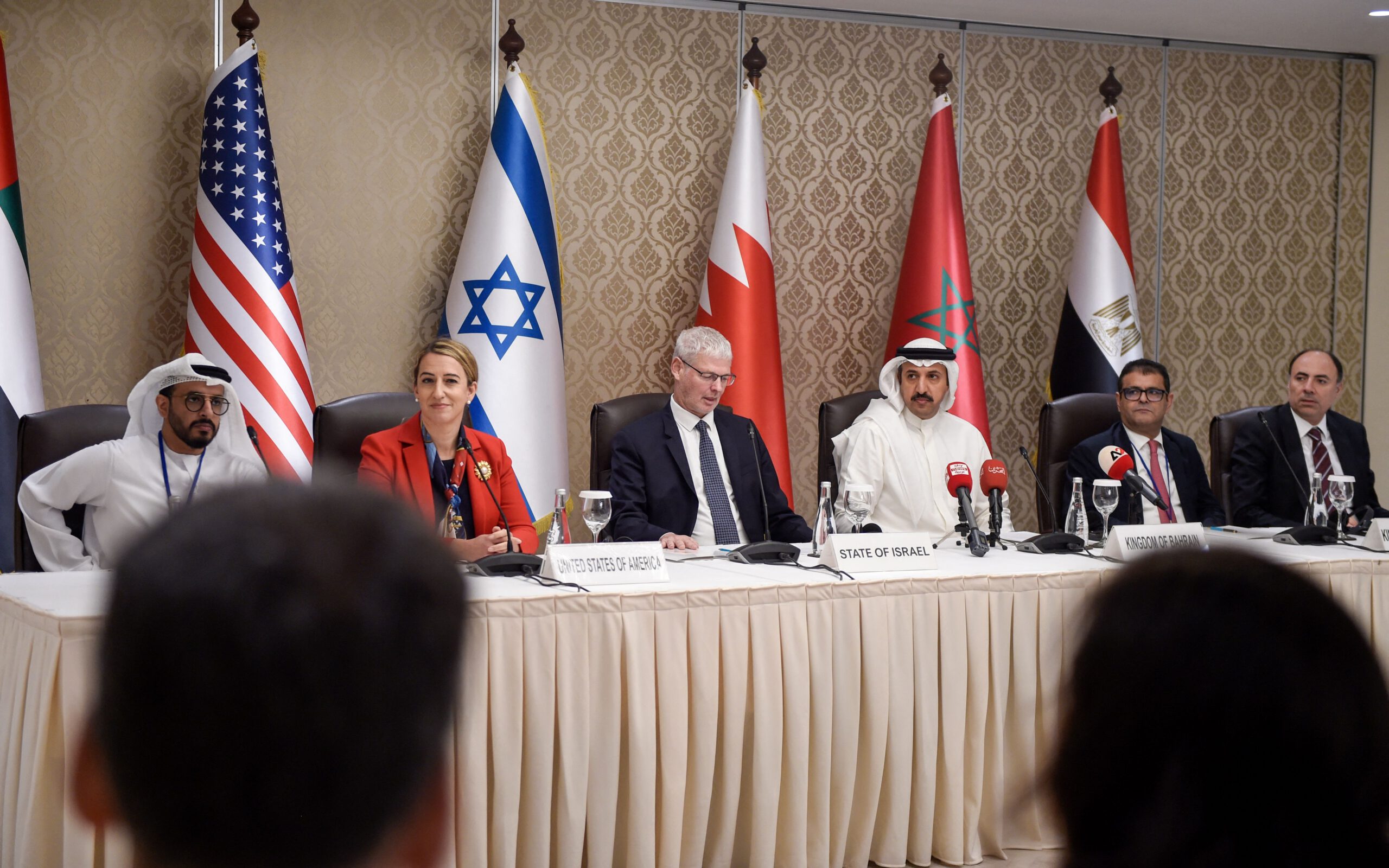
Oct. 7 sounded the death knell of the Abraham Accords. Yet the end to the initial conceit of the Abraham Accords does not mean an end to the essential role that the Abraham Accords partners can play in helping broker an Israeli-Palestinian agreement.
Despite the Houthis’ geographical distance from Israel and perceived limited capabilities, the threat they represent is all too real and if underestimated, they have the potential to derail diplomatic efforts and destabilize the region, with potentially catastrophic consequences.
The oldest peer-reviewed publication dedicated to the study of the modern Middle East, MEI’s flagship journal covers politics, society, and culture in the region.