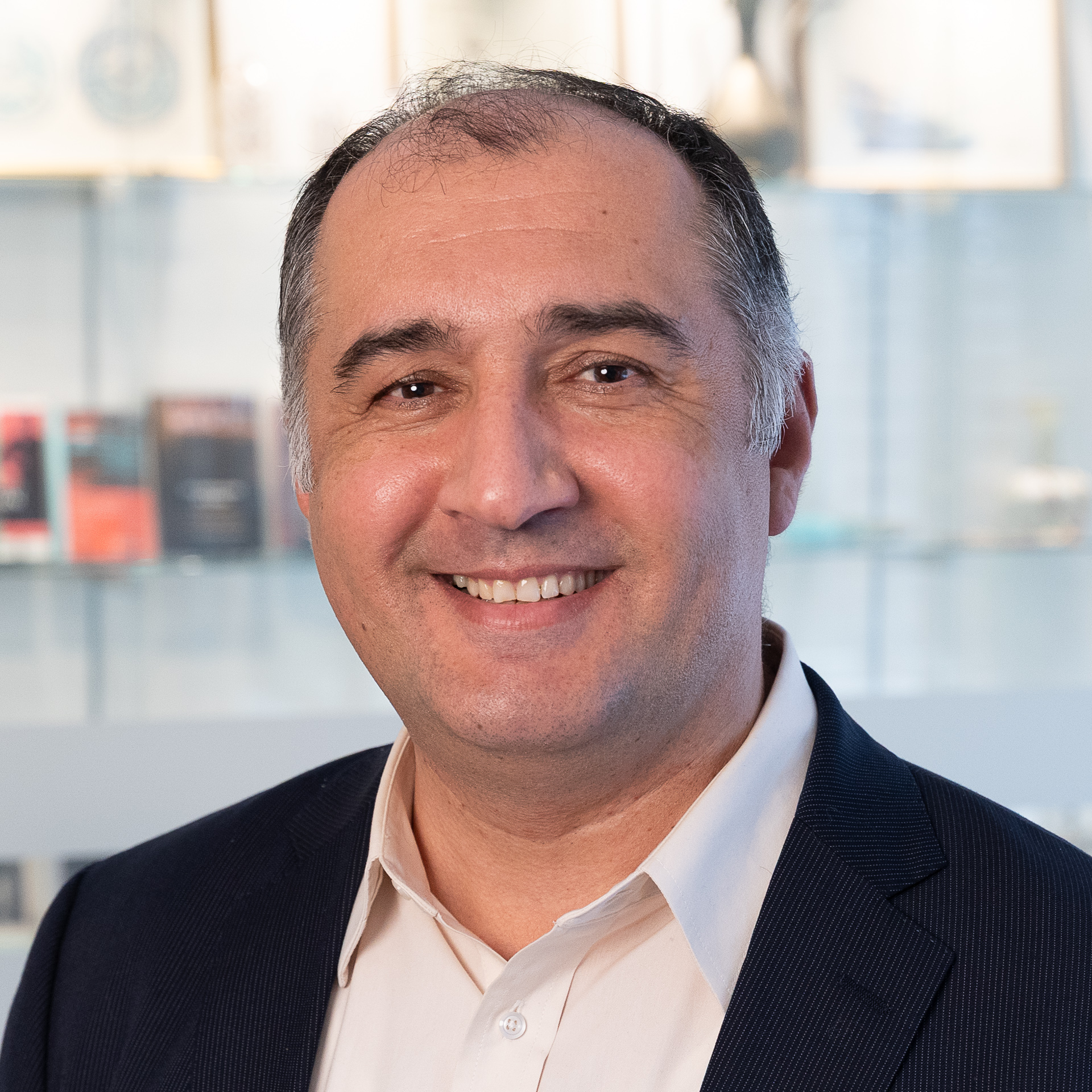
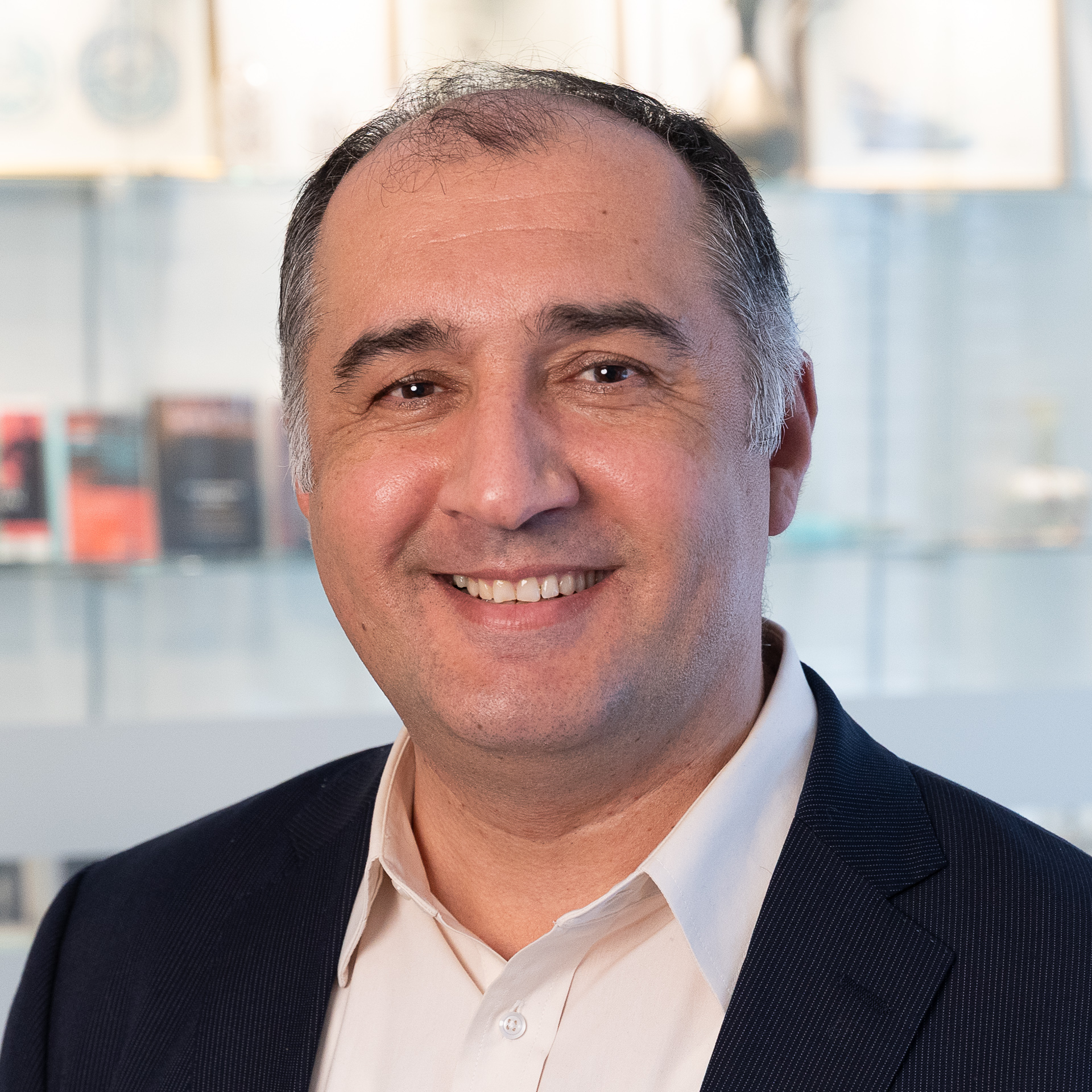
Alex Vatanka is a Senior Fellow at the Middle East Institute. He specializes in Middle Eastern regional security affairs with a particular focus on Iran. He was formerly a Senior Analyst at Jane’s Information Group in London. Alex is also a Senior Fellow in Middle East Studies at the US Air Force Special Operations School (USAFSOS) at Hurlburt Field and teaches as an Adjunct Professor at DISAS at Wright-Patterson Air Force Base. He has testified before the US Congress and lectured widely for both governmental and commercial audiences, including the US Departments of State and Defense, US intelligence agencies, and a list of international corporations.
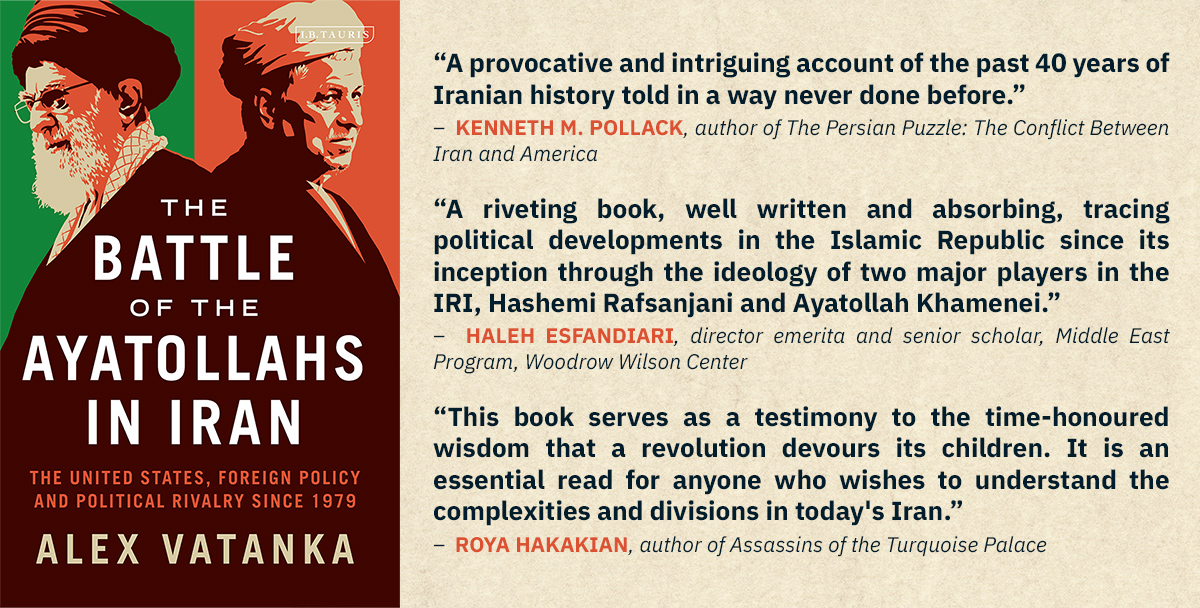
Born in Tehran, he holds a BA in Political Science (Sheffield University, UK), and an MA in International Relations (Essex University, UK), and is fluent in Farsi and Danish. He is the author of two books: The Battle of the Ayatollahs in Iran: The United States, Foreign Policy and Political Rivalry Since 1979 (2021) and Iran and Pakistan: Security, Diplomacy, and American Influence (2015).
He has also written chapters for a number of books, including Authoritarianism Goes Global (2016); Handbook on Contemporary Pakistan (2017); Russia in the Middle East (2018), Winning the Battle, Losing the War: Addressing the Drivers Fueling Armed Non-state Actors and Extremist Groups (2020); Global, Regional and Local Dynamics in the Yemen Crisis (2020); Routledge Handbook of Counterterrorism and Irregular Warfare Operations (2021); and Understanding New Proxy Wars (2022). He is presently working on his third book, Iran’s Arab Strategy: Defending the Homeland or Exporting Khomeinism?
Education
B.A. in Political Science at Sheffield University; M.A. in International Relations at Essex University
Languages
Farsi, Danish
Countries of Expertise
Iran
Issues of Expertise
Iran domestic and foreign affairs, Iranian military and security forces, Iran-US relations, Political Islam in Middle East
After Khamenei: Iran enters its most uncertain transition since 1979
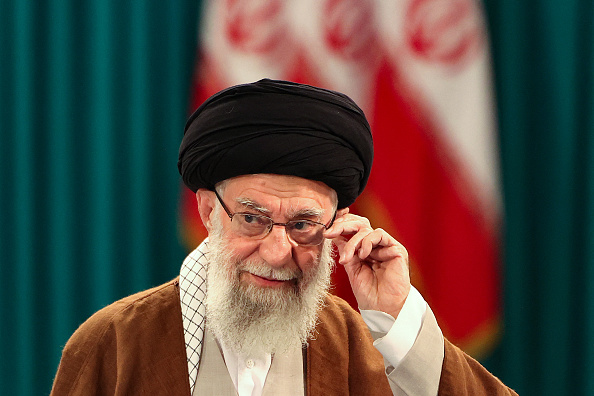
For nearly four decades, Ayatollah Ali Khamenei embodied the Islamic Republic’s certainty: a singular authority who shaped every major decision on war and peace, repression and reform, economics and ideology. His death, in a coordinated US-Israeli strike on his Tehran command compound on February 28, has ripped that certainty away in the most violent fashion imaginable.
Tehran Has Discovered Moscow Is a Fair-Weather Friend
The latest cycle of U.S.-Iran escalation has followed a familiar script: sharpened rhetoric from the United States, calibrated military signaling by Iran in the Persian Gulf, indirect diplomacy through Oman, and Israeli warnings that remain deliberately ambiguous but unmistakably real. Yet beneath this choreography lies a more consequential development inside Tehran. The current crisis is forcing Iran’s political class to reassess its central foreign-policy wager of the past decade: that deepening alignment with Russia and China would provide strategic insulation against Western coercion.
Against the backdrop of one of the largest US military deployments to the Middle East since 2003, MEI Senior Fellow Alex Vatanka joins hosts Alistair Taylor and Matthew Czekaj to assess the situation inside Iran on the eve of potential war. Weeks after the Islamic Republic’s brutal crackdown on anti-government protesters and as negotiations with the US fail to find common ground, Donald Trump is reportedly weighing options for military action against Iran. Vatanka breaks down the regime’s strategic calculus, the current dynamics of Iran’s opposition movement, and the likely domestic political consequences of a military strike.
Iran considers its response to potential renewed US-Israeli strikes
The United States’ rapid military buildup across the Gulf has triggered a familiar anxiety in Tehran, but the Iranians’ reading of American intentions has grown sharper and more layered than at any point in recent years.
Whenever Iran is shaken by nationwide protests, as it was just last month, analysts and activists are consumed by the same two questions: will the country’s regime finally fall, and what will come next if it does? Answers abound.
With the US and Iran on a knife-edge, can Oman once again step in to mediate?
The decision by Washington and Tehran to shift their long-anticipated meeting, set for February 6, from Istanbul to Muscat is not merely a logistical detail. It is the latest reminder that when US-Iran diplomacy is on the verge of breaking down completely, Oman is the regional player the Iranian regime trusts the most to step in and mediate.
Iran protests seem different. They may lead to real change.
People are not protesting because they suddenly discovered activism. They are protesting because the habits of coping and waiting for conditions to improve have finally stopped working.
Khamenei did this to himself. The US can help — without another Middle East quagmire
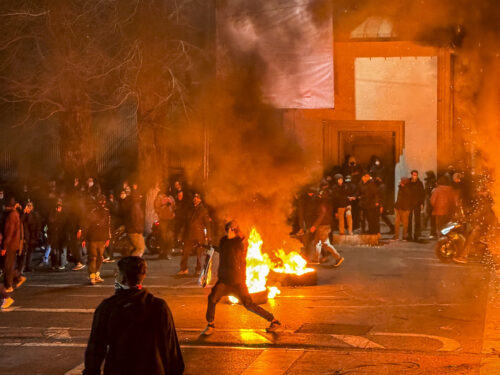
Last week, Iran’s Supreme Leader Ali Khamenei effectively greenlit mass killing to save his regime. His message was blunt: blood would be spilled to preserve the system. His security forces followed through, unleashing a level of violence against protesters that even by the Islamic Republic’s grim standards marks a dangerous escalation.
Iran’s political deadlock — and a way out the regime is unlikely to take
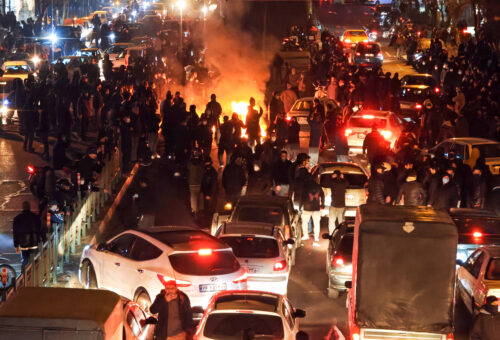
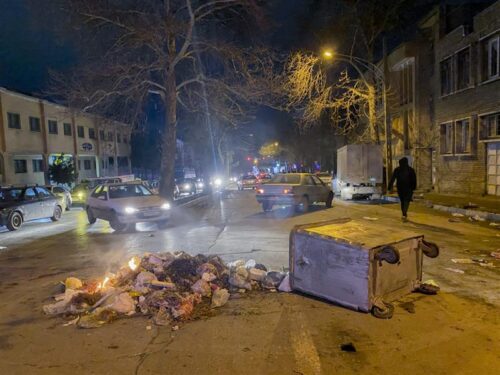
On Sunday, December 28, Iran’s latest wave of unrest began not on a university campus or in a symbolic political square, but in the very heart of the country’s economic sphere: the Grand Bazaar commercial center in downtown Tehran. What distinguishes the current moment is not simply the persistence of unrest but its emotional register. Iranian commentary increasingly describes not just hardship but a collapse of expectations of a better future.
الأعمال غير المنجزة ستحدد أجندة الشرق الأوسط في عام 2026
بعد عام آخر من التطورات المحورية والتغييرات الجذرية، قد يكون الشرق الأوسط على وشك طي صفحة العديد من الصراعات الطويلة الأمد ومصادر عدم الاستقرار. لكن تحقيق نتائج دائمة للعمليات التي بدأت في عام 2025 سيتطلب تركيزًا حازمًا ومدروسًا من قبل الجهات الفاعلة الإقليمية والولايات المتحدة. بالنظر إلى الاتجاهات الحالية، يقيّم خبراء معهد الشرق الأوسط (MEI) الاتجاه الذي قد تسير فيه المنطقة في عام 2026.
كيف سيشكل تصويت العراق المرحلة المقبلة من المنافسة بين الولايات المتحدة وإيران
بالنسبة لإيران، يمثل العراق عمقاً استراتيجياً وملاذاً سياسياً وشرياناً اقتصادياً في آن واحد. وستحدد نتائج الانتخابات العراقية التي جرت في 11 نوفمبر من سيتحكم في بغداد بزمام الميزانية والتعيينات الأمنية الداخلية واللجان التي يمكن أن تقنن أو تقيد الميليشيات العراقية المدعومة من إيران.
محرمات الندم: تأملات إيرانية حول الاستيلاء على السفارة الأمريكية في عام 1979
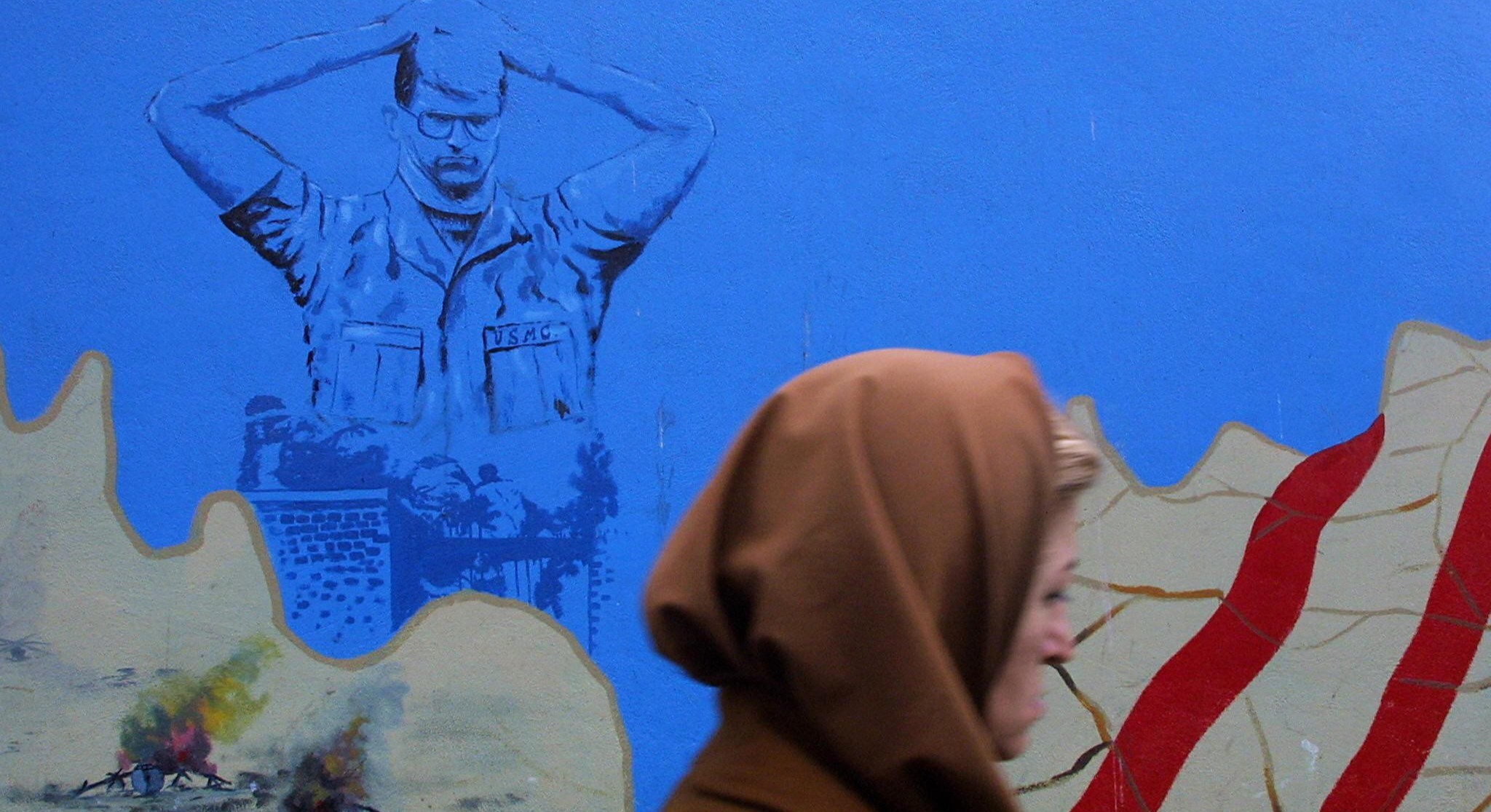
لعقود طويلة، كان الاستيلاء على السفارة الأمريكية في طهران عام 1979 رمزاً لعدالة التحدي الثوري للجمهورية الإسلامية الإيرانية وشرعية "المقاومة" كأيديولوجية للدولة. والتشكيك في ذلك يعني التشكيك في منطق المشروع برمته.
حسابات إيران النووية في منطقة الشرق الأوسط المضطربة
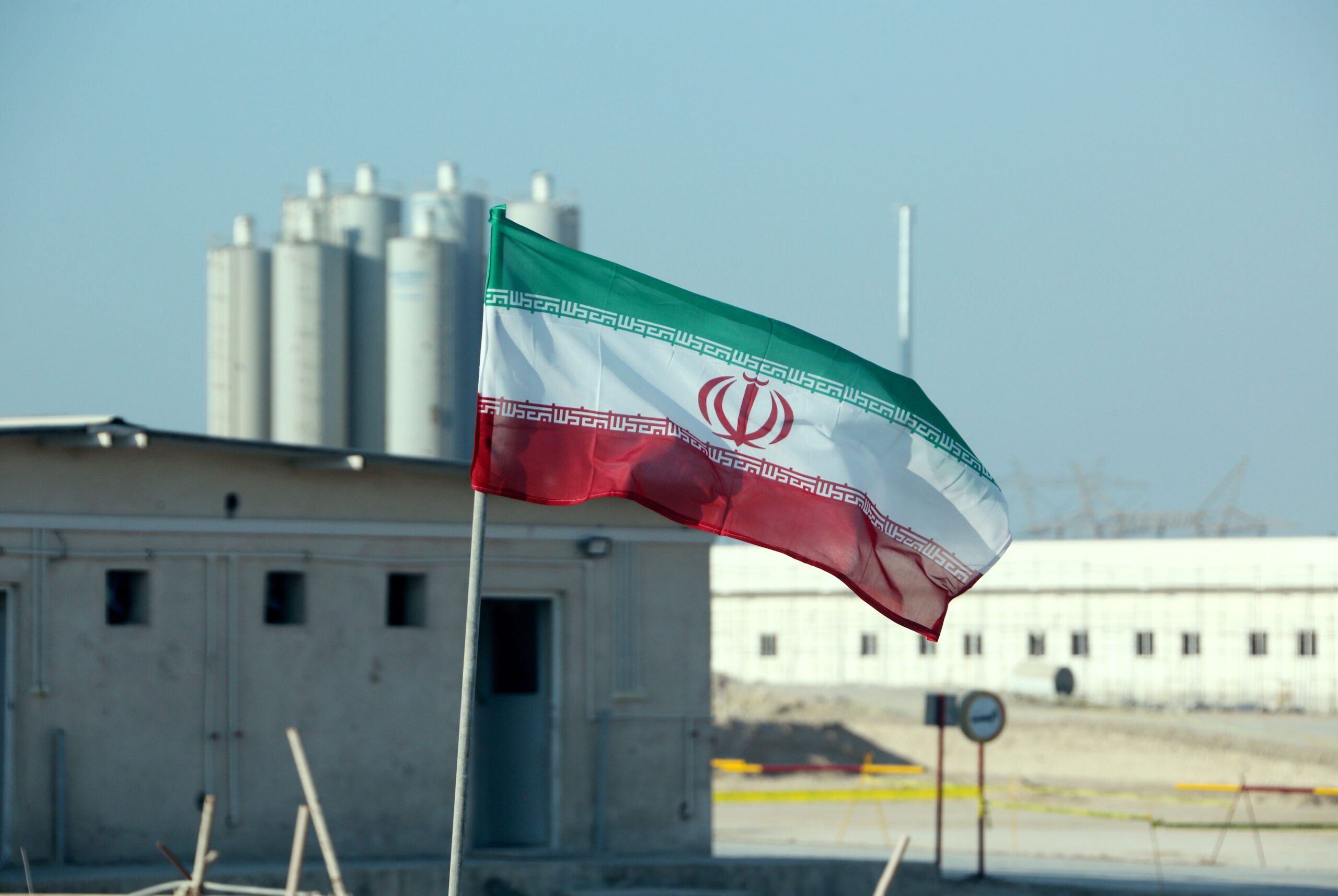
إن مسار إيران النووي أشبه بانزلاق حذر على طول طريق مألوف منه القفز إلى المجهول، وهو يتألف من خطوات تكتيكية قابلة للعكس تهدف إلى كسب الوقت بدلاً من تغيير المشروع بشكل جذري.
في نيويورك، بحث المسؤولون الإيرانيون بهدوء إمكانية التفاوض على تأجيل قصير لإعادة فرض عقوبات الأمم المتحدة ("العودة السريعة") على هامش الجمعية العامة إذا تناولت المفاوضات مخزونهم المخصب بنسبة 60 في المائة.
For years, Ayatollah Ali Khamenei, Iran’s supreme leader and ultimate powerbroker, has been insisting to his people that there would be no war with the United States or Israel. That claim was shattered when more than 1,000 Iranians were killed in June’s 12-day war. Now he warns against the country sliding into a “state of ‘no war, no peace.’” The diagnosis isn’t wrong—but refusing to confront hard choices is vintage Khamenei.
في الوقت الذي تسعى فيه إدارة ترامب إلى توسيع نطاق اتفاقيات أبراهام في الشرق الأوسط إلى القوقاز وآسيا الوسطى، فإنها تتجاهل التغير الجذري في النظرة السائدة في العالم العربي والإسلامي. ففي حين كان يُنظر إلى إسرائيل في الماضي على أنها داود الذي يقاتل جالوت المتمثل في العالم العربي، يبدو أن الأدوار قد انعكست اليوم. فإسرائيل، المدعومة بقوة عسكرية لا حدود لها ودعم أمريكي ثابت، يُنظر إليها بشكل متزايد ليس فقط كقوة إقليمية، بل كقوة مهيمنة في المنطقة مدعومة من الولايات المتحدة. بالنسبة لدول الخليج العربية، يمثل هذا التحول معضلة: هل يمكن لجالوت أن يكون شريكًا في السلام؟