John Calabrese is a senior fellow at the Middle East Institute (MEI) and book review editor for The Middle East Journal. His work focuses on the international relations of the Middle East, with a particular emphasis on cross-regional ties between the Middle East and Asia. He also teaches US foreign policy at American University.
He holds a PhD in International Relations and a Diploma (with Distinction) in Comparative and International Politics from the London School of Economics, and a BA in English and Government from Georgetown University.
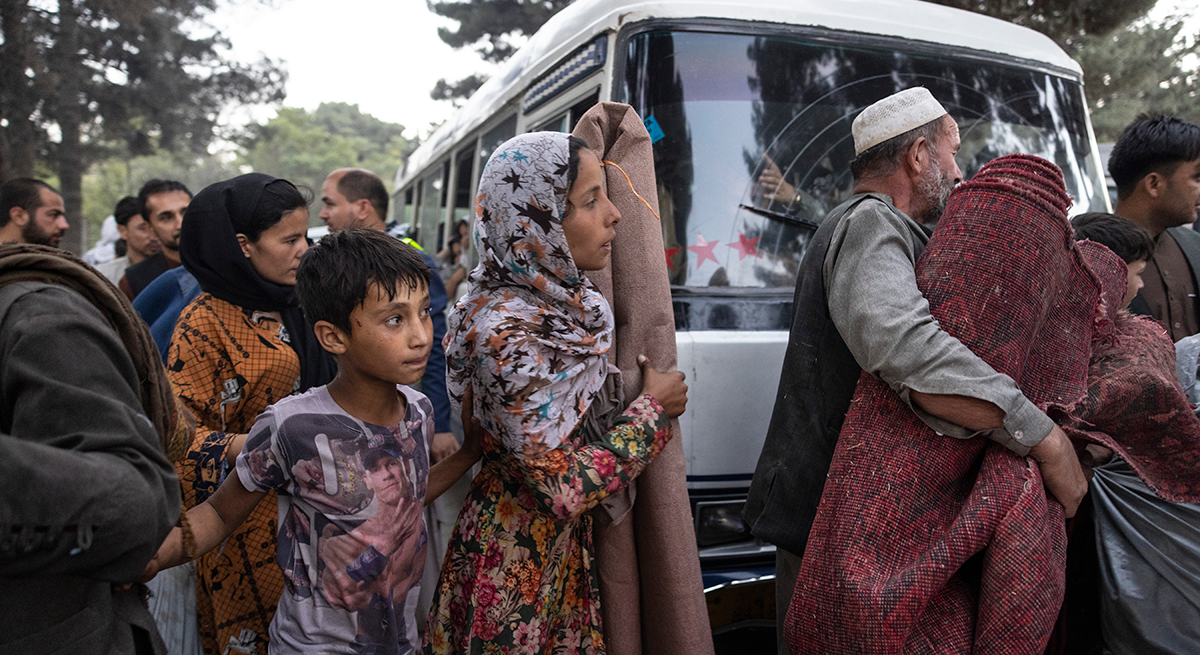
Weeks before the official U.S. military withdrawal, Afghanistan is unraveling rapidly as the Taliban continue their swift military advance. They now control more than two-thirds of the country and half of the provincial capitals. With the government’s hold on Kabul in doubt, the Biden administration has dispatched troops to evacuate U.S. citizens from the country. We asked experts and scholars from across MEI to weigh in with their thoughts on the situation and what it means for the country, the wider region, and key international players.
Given the host of challenges that Algeria currently faces and consistent with past efforts to diversify its foreign relations, Algeria could seek to deepen its relationship with China — a rising global power with deep pockets and an expanding footprint in the Middle East and North Africa (MENA) region and a country with which Algeria has already established a comprehensive strategic partnership. Yet, even under a scenario in which Beijing answers the call, it should not be assumed that the scale and contours of Chinese engagement will fundamentally change, will consist mainly of predatory economic activities and malign influences, or can rescue Algeria from structural problems of its own making.
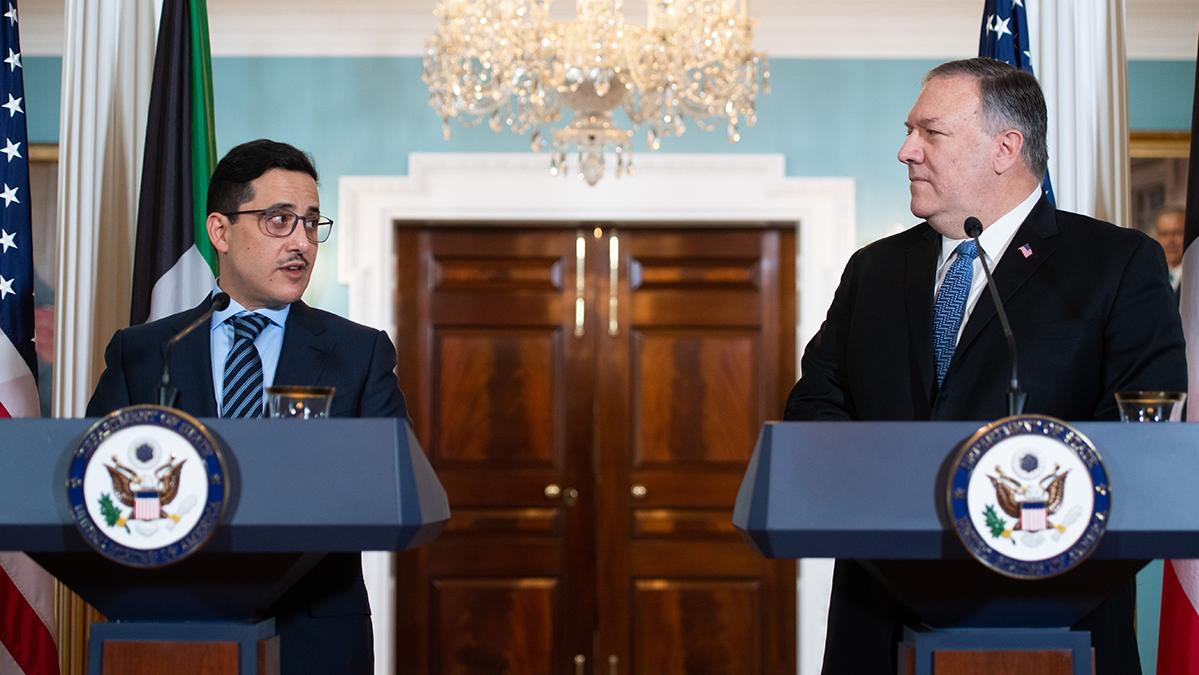
The United States and the Gulf: Trapped in transition?
The mixed messages and pendulum swings in U.S. Gulf policy in recent years are rooted in and have further fueled deep questioning and a largely unresolved debate within the United States about America’s role in the region, and indeed in the world. Like the U.S., relations between the GCC and Iran are locked in confrontation. Breaking this impasse requires decisive U.S. reengagement in Gulf affairs led by vigorous, sustained diplomacy that promotes intra-GCC reconciliation and supports efforts aimed at tempering the Saudi-Iran strategic rivalry.
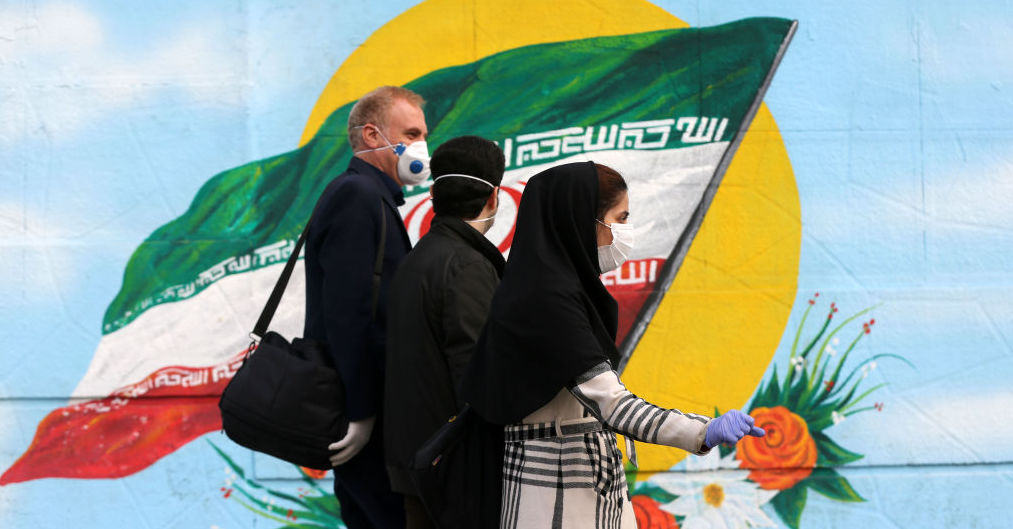
Iraqi authorities have taken a series of preventative and remedial measures to deal with the pandemic and its second order effects. However, since early June, the number of positive COVID cases has soared, while job losses and rising prices have caused the national poverty rate to climb. Three overlapping segments of the Iraqi population — the forcibly displaced, women, and children — have been hit especially hard by the public health and socioeconomic impacts of COVID-19.
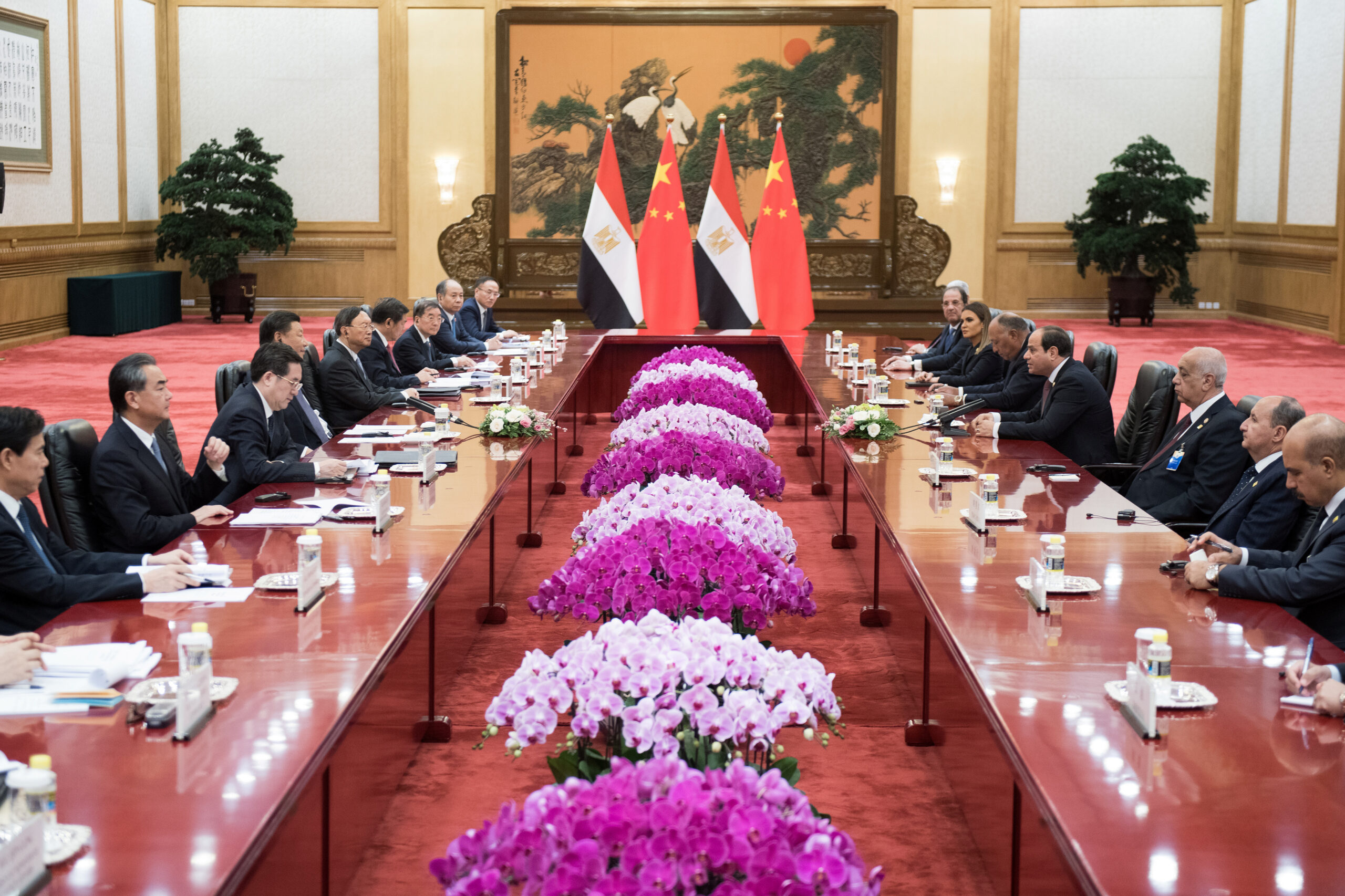
Towering Ambitions: Egypt and China Building for the Future
Over the past decade, Egypt and China — the former a traditional US partner and the latter America’s strategic competitor — have forged ever-deeper ties. During that time, Beijing has sought to leverage its relationship with Egypt to advance the Belt and Road Initiative (BRI), while Cairo has looked to China as a critical partner in the revitalization of the Egyptian economy. Entering 2020, Egypt was one of the fastest-growing emerging markets, and the Sino-Egyptian economic relationship was thriving. However, the fallout from the pandemic could undermine Egypt’s recent success in restoring growth and regaining investor confidence. It could also test the resilience and delay the further expansion of Sino-Egyptian economic ties.
Positioning the Provinces Along China’s Maritime Silk Road
China’s Belt and Road Initiative (BRI) is a central policy framework with decentralized initiatives. Under the BRI’s Silk Road Economic Belt (SREB) and the Maritime Silk Road (MSR), China’s inland provinces and coastal peers have been obliged to implement the top-down national strategy while at the same time having been granted the latitude to interpret the strategy to suit their commercial interests. This article looks at how Fujian and Jiangsu provinces have sought to position themselves along the Maritime Silk Road with respect to their relations with Middle Eastern partners.
China’s Maritime Silk Road and the Middle East: Tacking Against the Wind
The momentum of the BRI has lately slackened due to a variety of setbacks and disruptions. Until now, China has made headway in executing BRI-related projects in the Middle East despite such problems. Plummeting oil prices coupled with the onset of the worldwide public health and economic crises triggered by the covid-19 pandemic could result in scaled back plans and delayed implementation of BRI projects in the region. But China is not about to abandon the effort to extend the Maritime Silk Road to the Middle East — nor are its most avid regional partners.
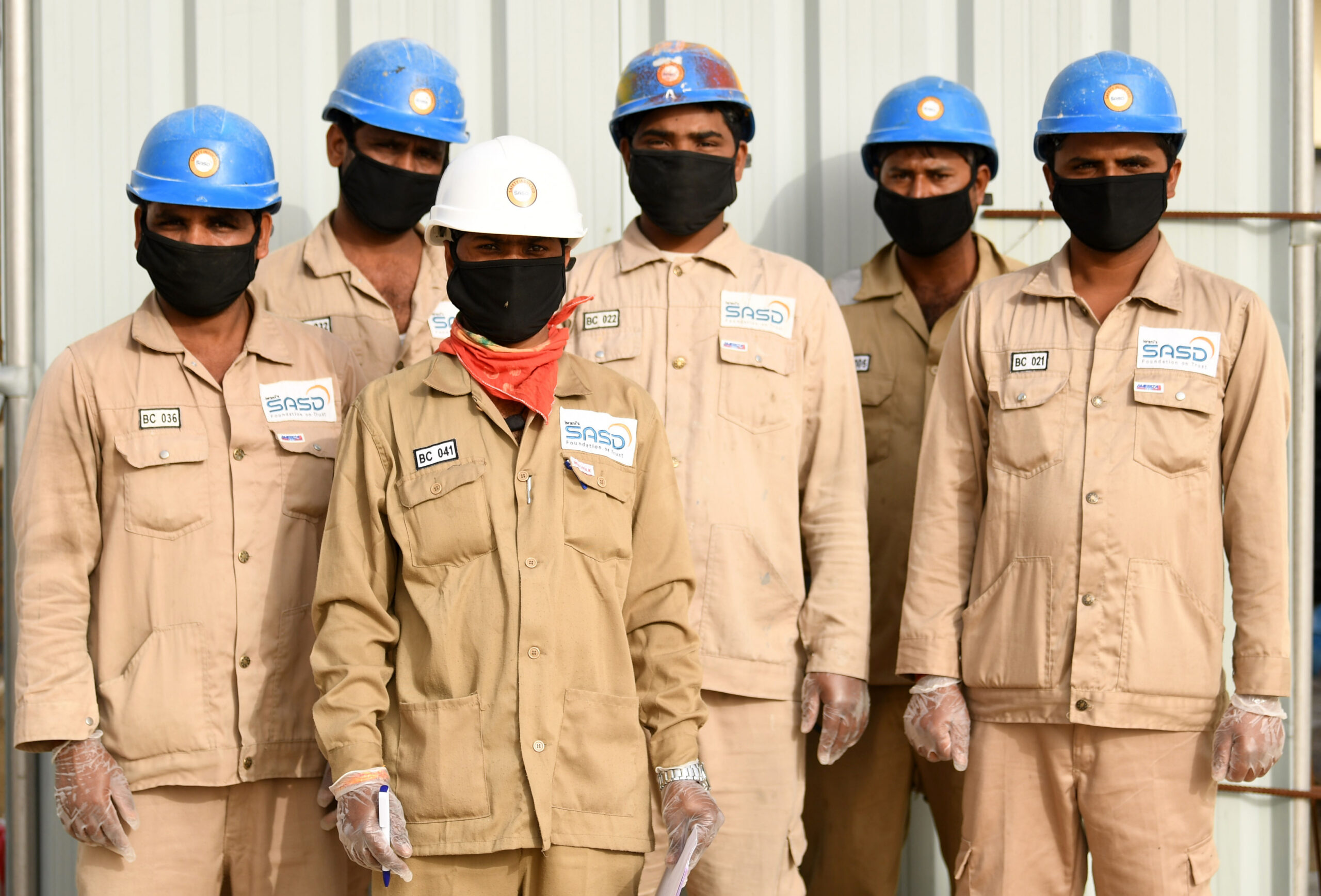
Since the 1970s “oil boom,” Indian migration to the Gulf has served as a valuable source of income for the nation and as the backbone of the economies of high-migration states such as Kerala through the transfer of remittances. However, the outlow of Indian migrants to the region has recently slackened while return migration has increased due to economic slowdowns, fluctuating oil prices, and changes in Gulf labor policies. The future of India-Gulf migration is further clouded by the Coronavirus pandemic, which poses unprecedented health and livelihoods challenges for the millions of Indians working in the Gulf, as well as for the families and communities that depend on them — and presents a daunting test for the Indian government.
The Bab el-Mandeb Strait: Regional and great power rivalries on the shores of the Red Sea
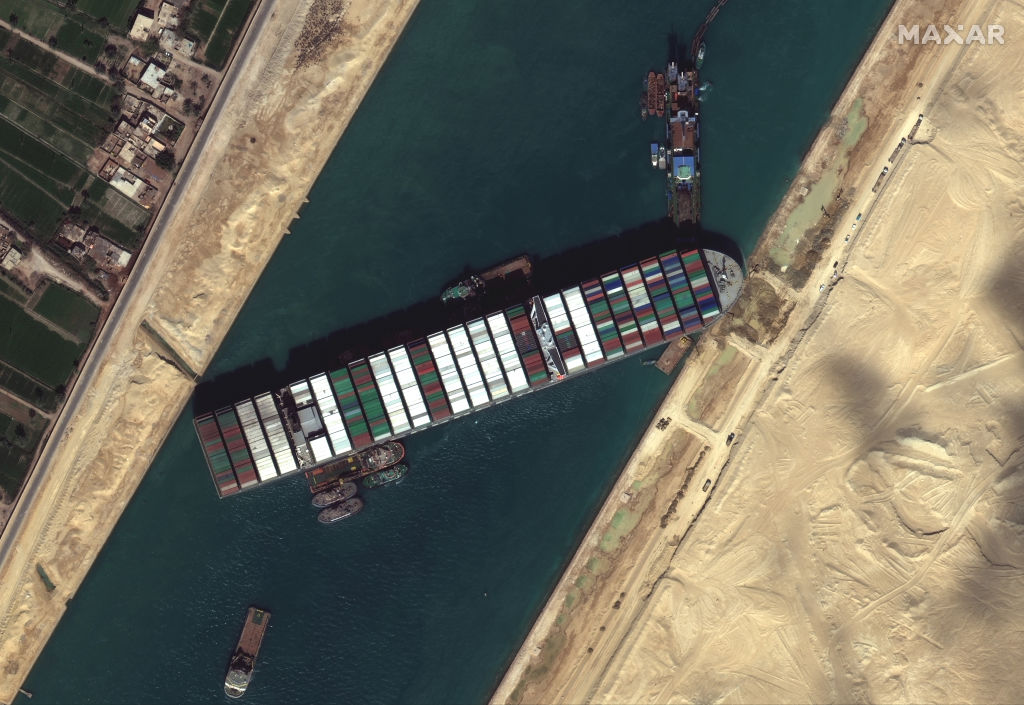
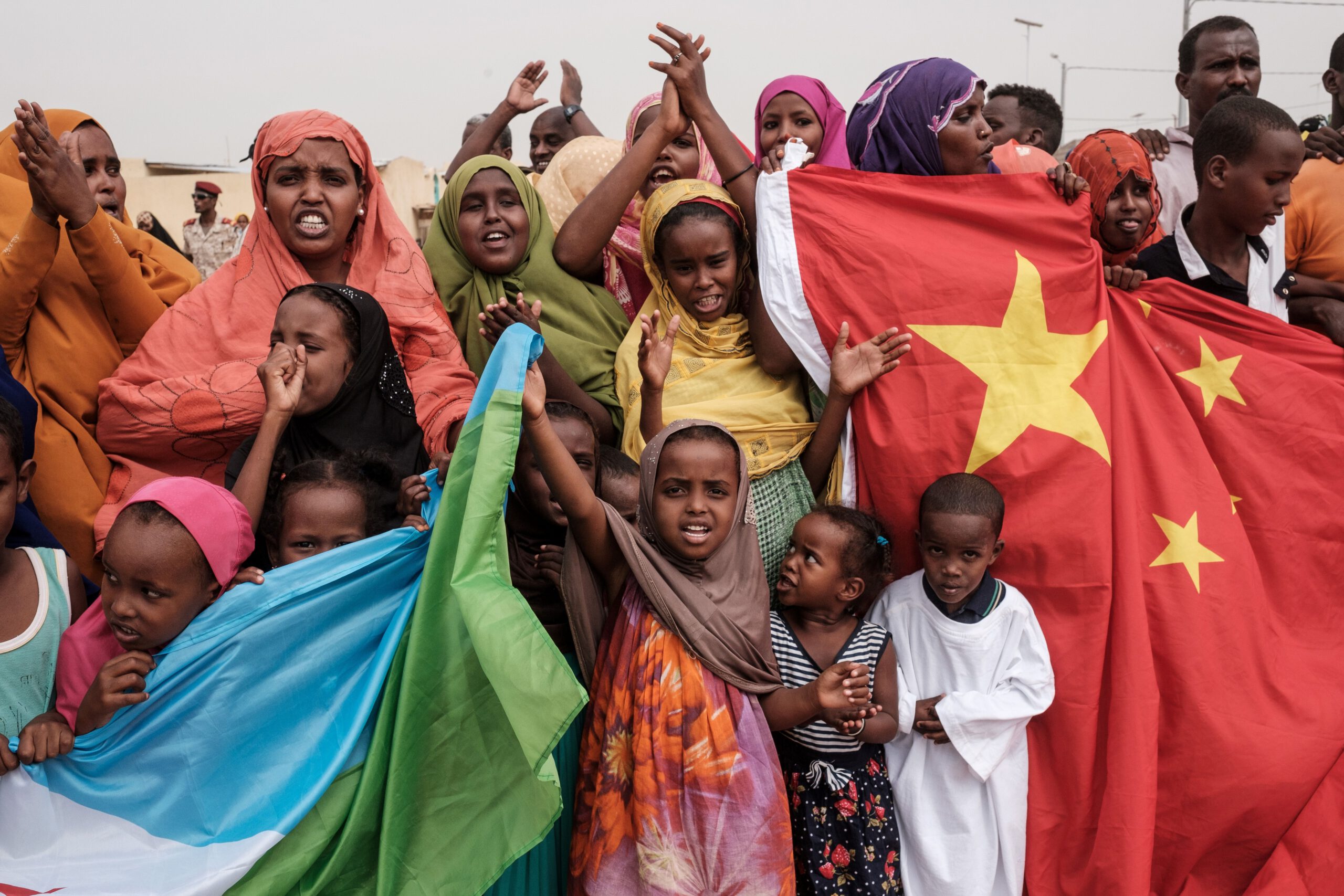
The Bab el-Mandeb Strait (“Gate of Tears” in Arabic) forms a vital strategic link in the maritime trade route between the Mediterranean Sea and the Indian Ocean via the Red Sea and the Suez Canal. On one side of the narrow strait lies the Arabian Peninsula. On the other is the Horn of Africa, a fragile region that has been plagued for decades by high levels of violence and instability within and across borders, and which in recent years has served as a launching pad for terrorism, piracy, human trafficking, and smuggling operations.
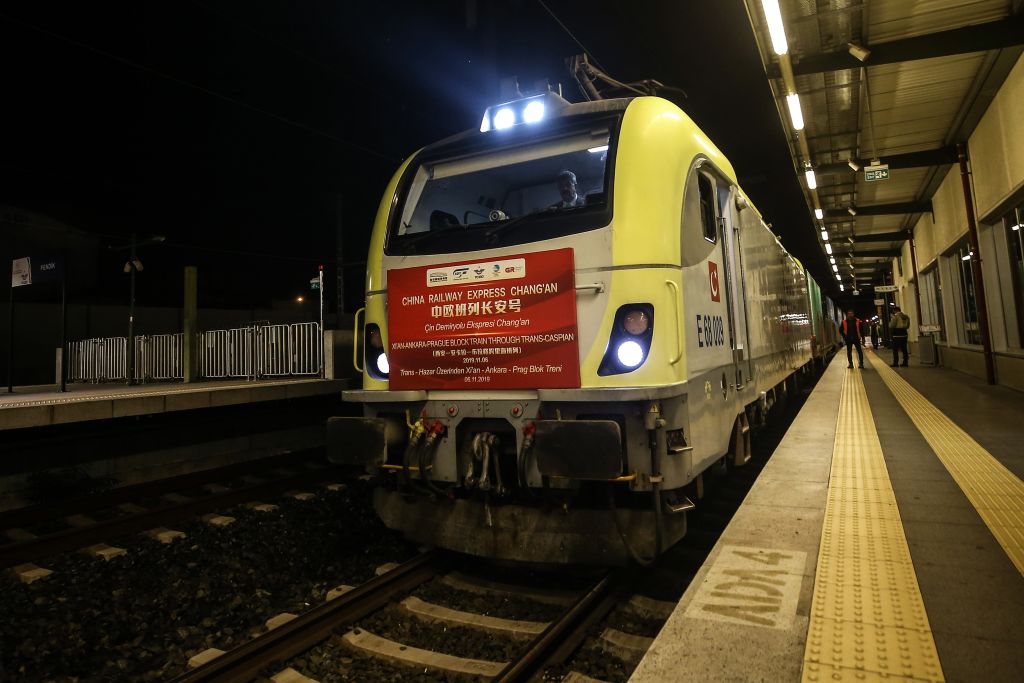
China’s Belt and Road Initiative (BRI) has been a powerful driver of the development of existing and new Eurasian rail routes. A web of competing and complementary rail lines has begun to form across the Eurasian landmass. Railway cargo service between China and Europe has fast become a compelling “middle option” — cheaper than air and faster than sea.
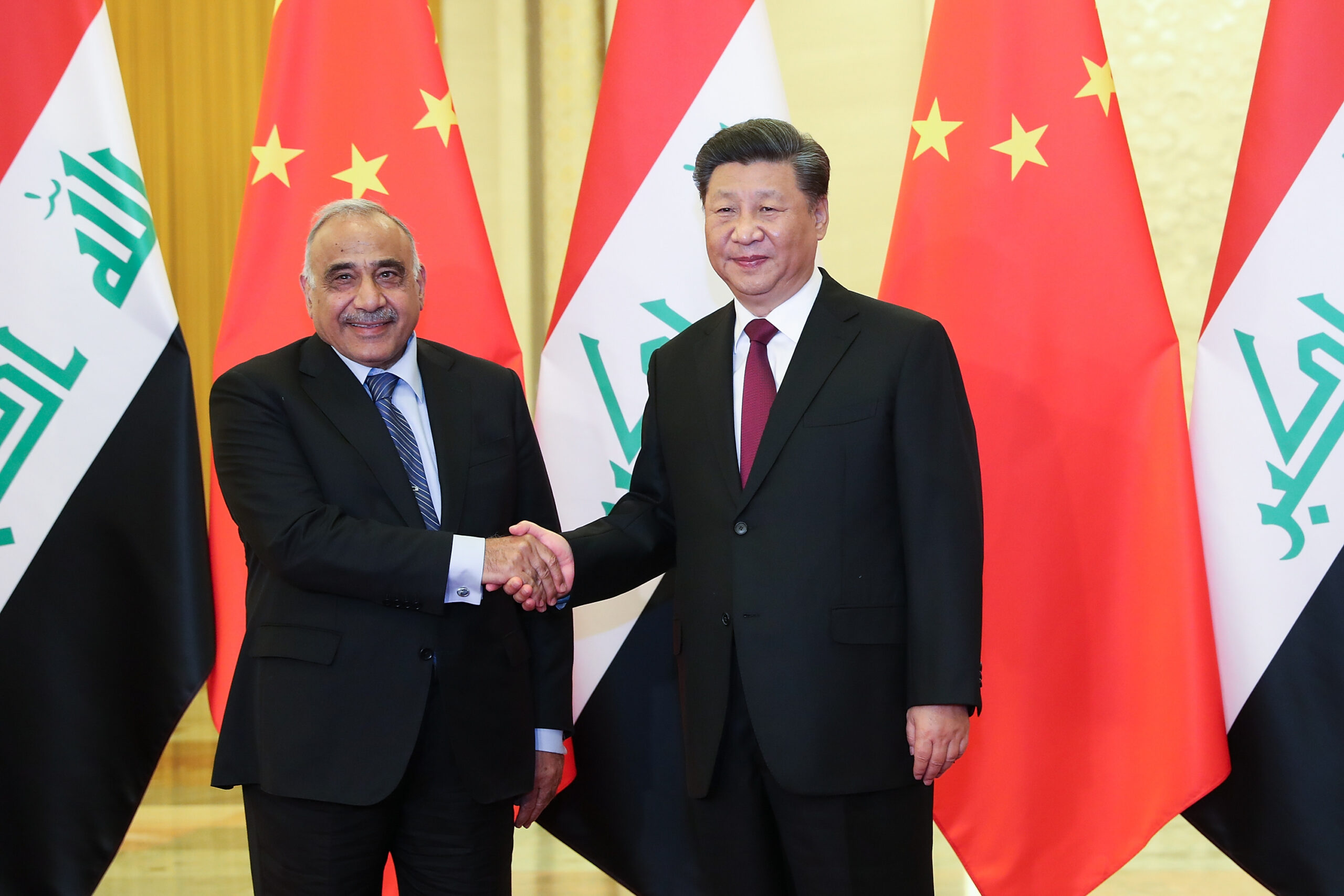
China-Iraq Relations: Poised for a “Quantum Leap”?
Upon arriving in Beijing on September 19 at the head of a 55-member delegation, Iraq Prime Minister Adel Abdul-Mahdi described the visit to China as heralding a “quantum leap” in bilateral relations. The five-day visit culminated in the signing of eight wide-ranging memoranda of understanding (MoUs), a framework credit agreement, and the announcement of plans for Iraq to join China’s Belt and Road Initiative (BRI). Since then, however, a wave of angry anti-government protests have swept across much of Iraq, leaving more than 100 dead and thousands wounded — a vivid reminder of the country’s ongoing struggle for stability and of the obstacles to the further consolidation of China-Iraq relations.
The fifth generation of mobile phone networks (5G) is poised to become a key enabler of the digitalization of economies and societies. Digital transformation is at the heart of GCC nations’ ambitions to accelerate economic diversification, deliver public services more effectively and efficiently, and promote sustainable growth. GCC ambitions to accelerate the large-scale deployment of 5G dovetail with those of China’s hi-tech giant Huawei, which is competing for market share in infrastructure and smartphones. However, the US push to stymie Huawei’s efforts to expand the reach of its networking technologies has emerged as a potential stumbling block to more extensive ties between that company and GCC wireless carriers and customers.
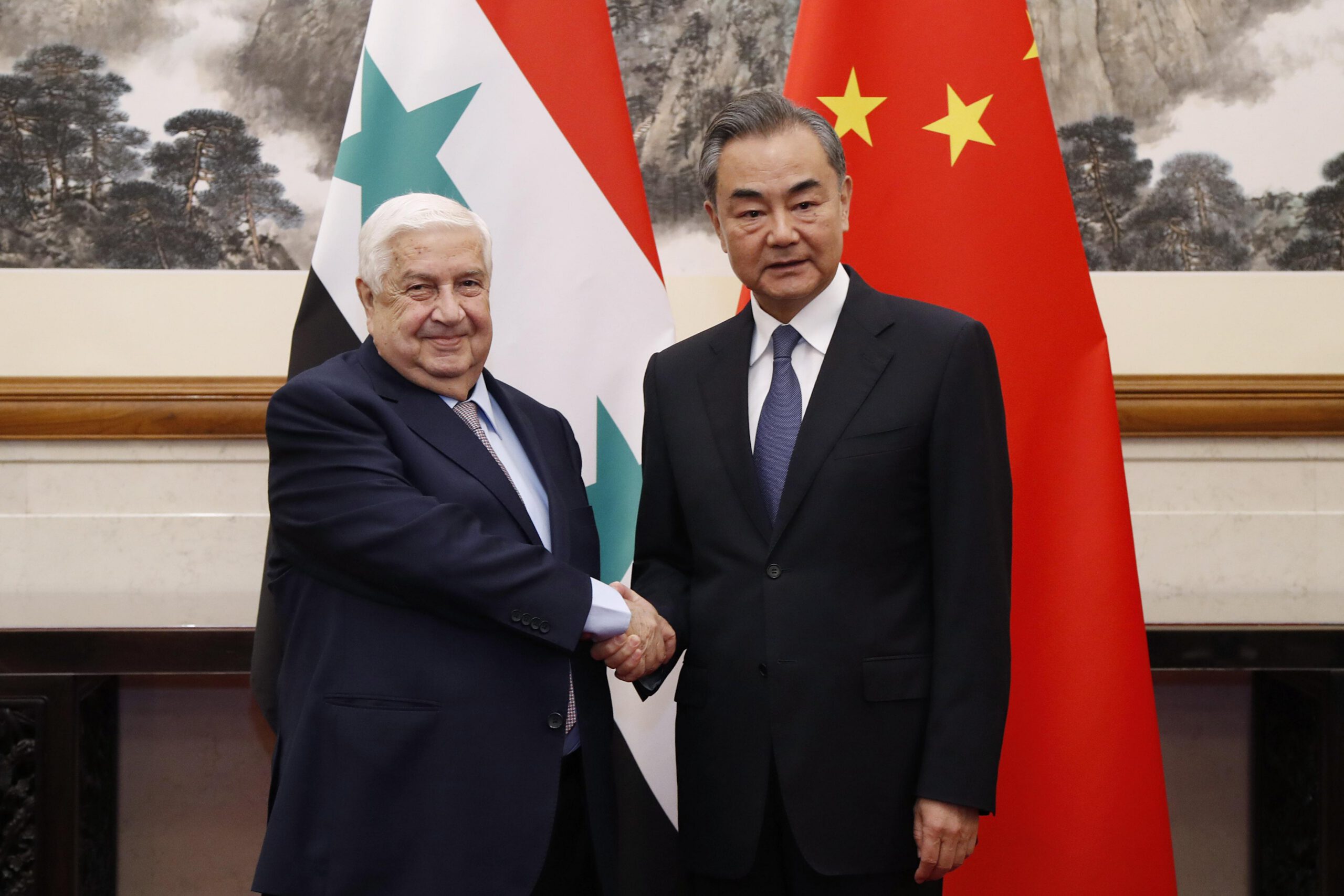
Traditionally, Syria has not been a strategic priority for China. Nor is it today. However, this does not mean that Beijing has been indifferent to the wide-ranging adverse effects of Syria’s disastrous civil war or to the opportunities that its postwar rebuilding might present. China’s Syria policy derives from its broader security and economic interests in the region. Accordingly, China’s two primary policy aims are 1) maintaining a constructive relationship with a government in Damascus that is stable, friendly, and capable of preventing the spread of transnational jihadist activity from its territory; and 2) developing an economic partnership that is compatible with and in furtherance of the Belt and Road Initiative (BRI). This article examines how China has pursued these aims during the eight-year Syrian conflict.