This individual is a guest contributor. MEI is not able to assist with contact requests.
Rebecca Anne Proctor is an independent journalist, editor, author, and broadcaster based in Dubai and Rome, from where she covers the Middle East and North Africa. She is the former editor-in-chief of Harper’s Bazaar Art and Harper’s Bazaar Interiors.
Gulf AI: The War as a Catalyst for Deepening Regional-US Strategic Tech Cooperation
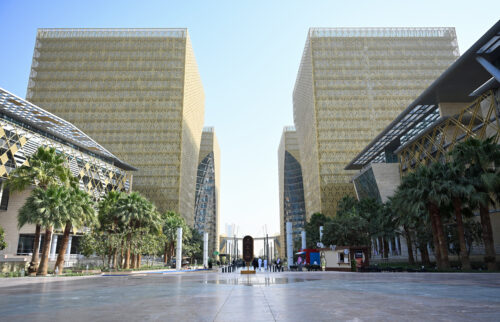
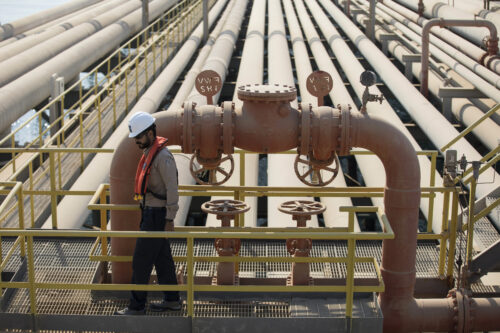
When Iranian drones struck two Amazon Web Services data centers in the UAE on March 1, 2026, and damaged a third in Bahrain the same morning, many thought this could spell the end of the Gulf’s AI ambitions. Whatever the intent, the attacks highlighted the new reality that data centers have now become targets in inter-state wars.
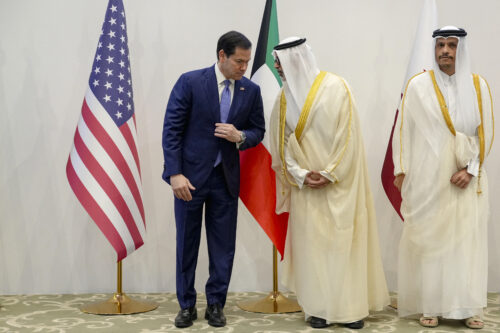
Gulf: The War Has Shaken Relations With Washington
When President Donald Trump ordered US forces into war against Iran, the administration’s ambitions reached well beyond Tehran’s nuclear program. Trump openly encouraged Iranians to topple their government. Israeli leaders spoke of reshaping the Middle East. The war’s architects got their wish — only not in the way they intended.
Egypt: How the Iran War Has Affected Egypt’s Calculations
Egypt, which is not party to the war on Iran, has become a target as well as an intermediary in the conflict. As a result, the war has affected Egypt’s future calculations, particularly in three major areas: its economy, its security, and its regional alliances.
The conventional framing of China’s role in the Middle East in policy discourse centers on a familiar question: what challenge does Beijing pose to US primacy? The answer is often framed as a largely linear story in which expanding economic influence gradually translates into geopolitical leverage.Yet this view captures only part of the reality.
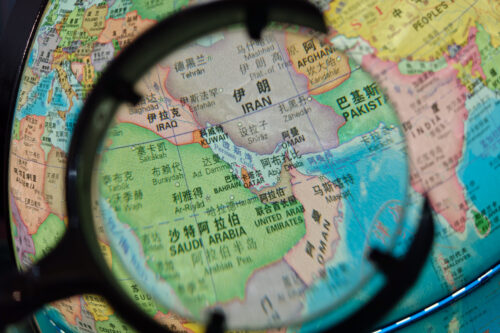
Europe did not choose the war with Iran, and most European governments still resist describing themselves as participants in it. But six months of military basing, missile-defense drawdowns, energy shocks, sanctions pressure and planning for possible migration crisis have made that distance harder to sustain.
The Houthis: Iran’s Bargaining Chip With Washington
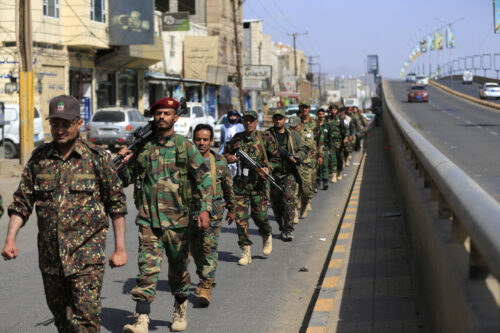
As Washington scrambled to contain the consequences of the Houthis’ dramatic advance along Yemen’s Red Sea coast last week, US Vice President JD Vance confirmed US media reports that the Trump administration was “engaged in direct conversations with the Houthis.”
Algeria and Morocco have long been at odds, but recent diplomatic moves may signal a widening geopolitical split in North Africa. Hosts Alistair Taylor and Matthew Czekaj are joined by MEI Senior Fellow Intissar Fakir to unpack Algeria’s decision to sever diplomatic ties with the United Arab Emirates and Morocco’s warming relations with both the UAE and Israel. They also explore linkages between these diplomatic shifts and the Western Sahara conflict, Moroccan domestic concerns, particularly in light of this week’s elections, as well as broader regional stability.
Unlocking the Levant: Why the United States and Syria Must Pursue a Bilateral Trade and Investment Agreement
Apart from the brief honeymoon period between 1961 and 1963 under President John F. Kennedy and President Nazim al-Qudsi, US-Syria relations have never held such optimistic potential as they do today. Today, following the fall of Bashar al-Assad regime and the rise of a new government under President Ahmad al-Sharaa at the end of 2024, a new geopolitical window has opened.
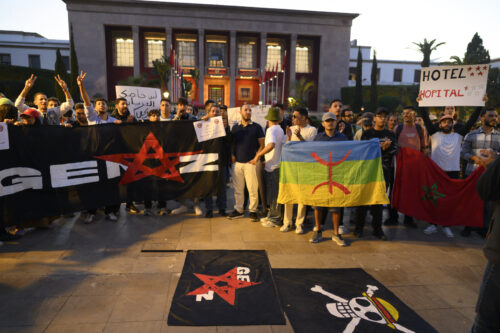
The Legacy of Morocco’s Gen Z Protests: Development as the New Political Language
Moroccans head to the polls on September 23 in a parliamentary election that is meant to formally close the chapter opened during last year’s Gen Z 212 protests. The demonstrations, which erupted almost exactly a year ago, drew attention to the mismatch that exists between Morocco’s economic and geopolitical ambitions, and the stark reality of its lagging domestic development.
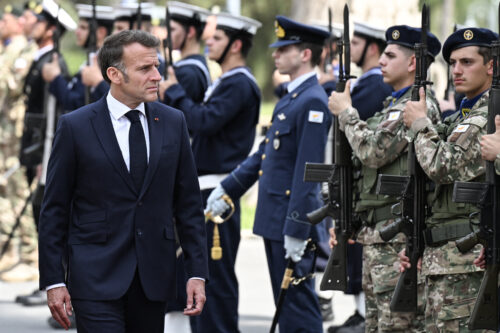
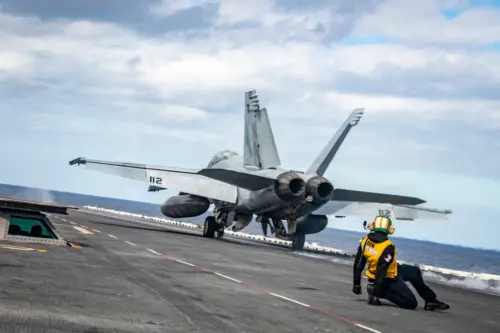
The consequences of the war with Iran are now showing up far beyond the Middle East. U.S. Patriot missile stocks in Europe are reportedly “beyond critical,” with the U.S. having burned through roughly 65% of its Patriot interceptor inventory during the conflict, while the Pentagon is extending Middle East deployments into 2027 and maintaining roughly 50,000 troops in the region, alongside 19 warships and other assets.
Over the past several weeks, the Houthis have seized the port city of Mokha, Yemen’s western coastline, and several islands in the Bab el-Mandeb Strait, and they are now massing around Marib and Taiz in the first major frontline shift since 2022. MEI Associate Fellow Nadwa Al-Dawsari joins host Matthew Czekaj to unpack the latest developments. Together, they discuss what has allowed the Houthis to advance against Yemeni government forces, the role the militant group plays in Iran’s regional strategy, and what it will take to contain the threat.