Shahmahmood Miakhel is the Country Director in Afghanistan for the US Institute of Peace (USIP). Prior to that he was a Governance Advisor for the United Nations Assistance Mission in Afghanistan (UNAMA), and, from 2003–2005, a Deputy Minister of the Interior in the Government of Afghanistan. In 1994–1995 he worked for the United Nations Development Programme (UNDP) and United Nations Office for Project Services (UNOPS) in South and Southeast Afghanistan helping to establish District Rehabilitation Shuras (DRS). He also worked as a reporter for the Pashto service of the Voice of America from 1985–1990.
The Latest from Shahmahmood Miakhel
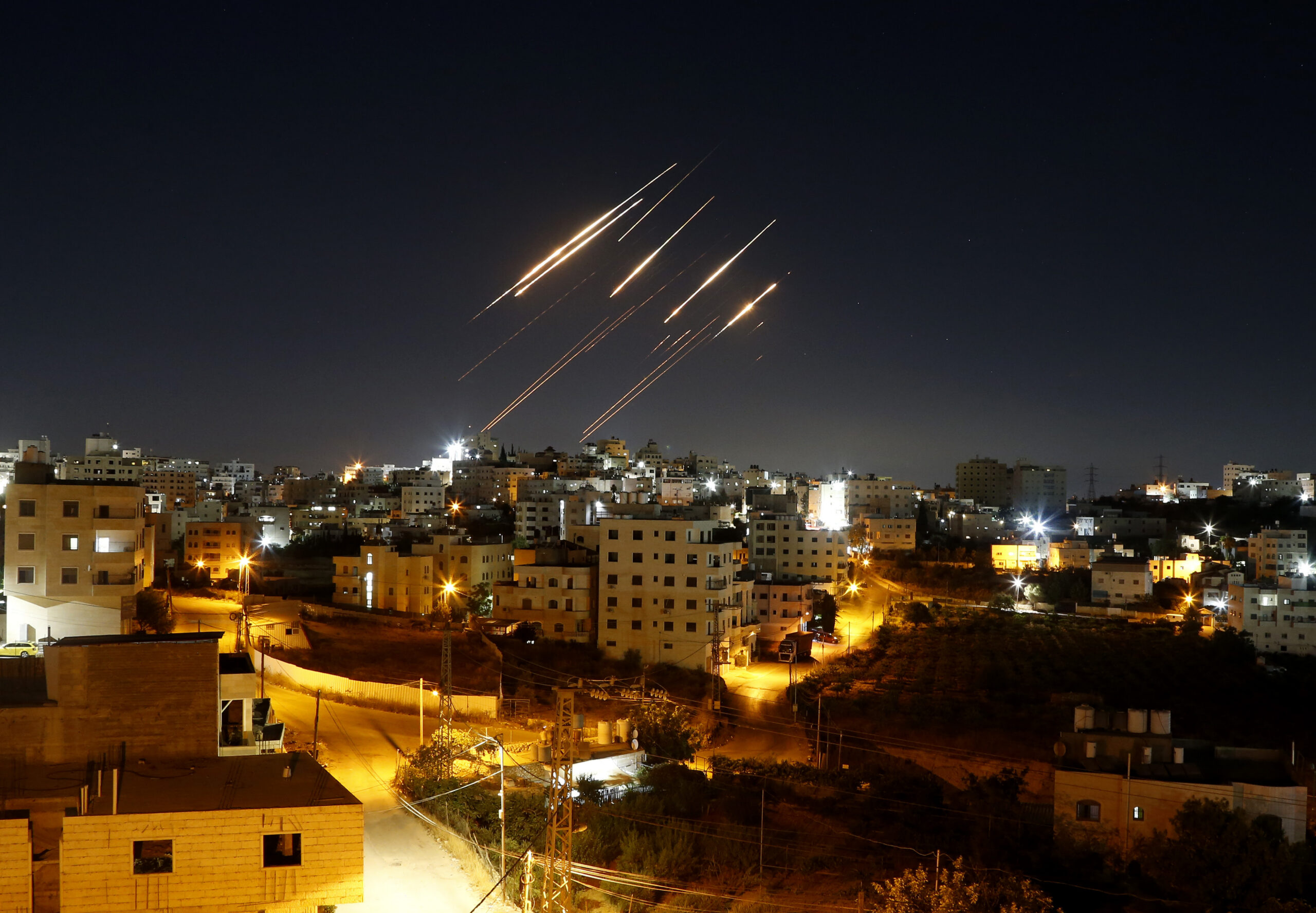

The Iran-Israel Conflict and the Future of the Iranian Regime
Senior Fellow Alex Vatanka joins hosts Alistair Taylor and Matthew Czekaj to examine the dramatic escalation between Israel and Iran following Israel’s targeted strikes on Iranian nuclear sites, infrastructure, and senior IRGC officials. Vatanka discusses how the Iranian regime is responding, the risk of wider regional conflict, and whether the current campaign could mark the beginning of the end for the Islamic Republic.
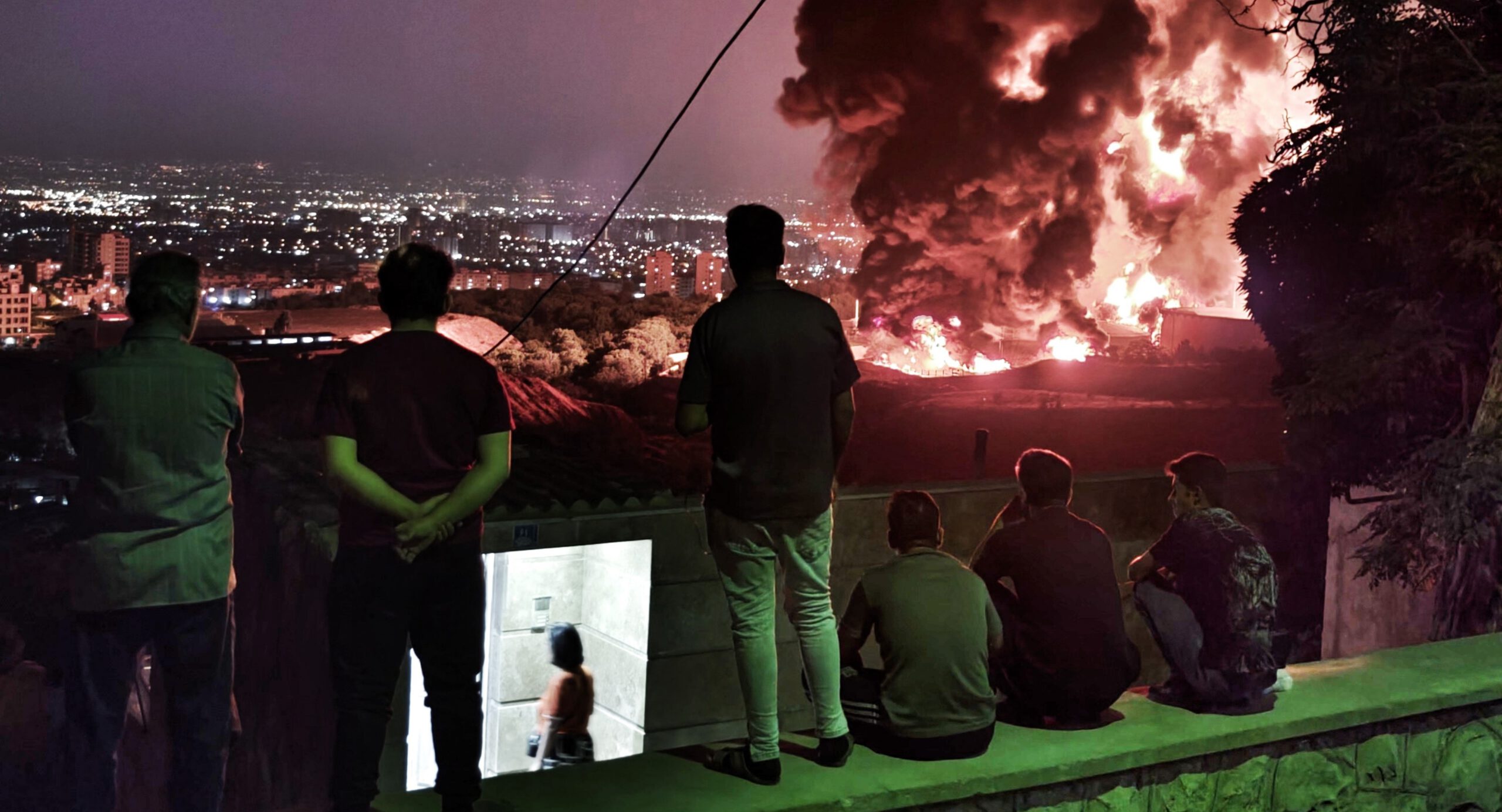
Where do we go from here? Day 5 of the Israel-Iran war
The past four days have clarified much about what Israel wants from this conflict, what Iran can and cannot do to fight back, and what decisions confront the American president over the next few days.

From Tehran to Gaza with Eyal Hulata
This episode was originally recorded on June 9, 2025, featuring a wide-ranging conversation with Eyal Hulata—Israel’s former National Security Advisor—about the dire humanitarian situation in Gaza, his role in shaping Israeli security policy, and where he believes the conflict is headed.
In light of recent developments between Israel and Iran, we reconnected with Eyal to capture his latest analysis. The first segment of this episode was re-recorded on June 16, 2025, to reflect Eyal’s current views and predictions regarding the unfolding regional developments.
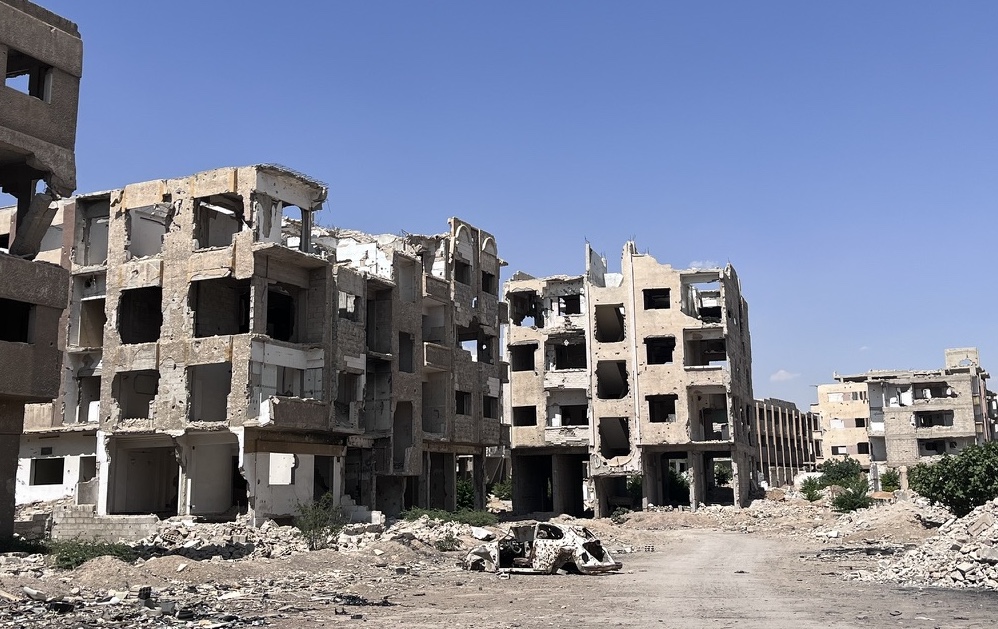
Sanctions are lifting, but Syrians still can’t go home
On May 23, President Donald Trump’s administration suspended the majority of sanctions on Syria, marking the most sweeping shift in the policy of the United States toward Damascus in over a decade. But lifting sanctions will not magically make Syria safe for return. For millions of displaced Syrians, their country remains a minefield — literally and bureaucratically.
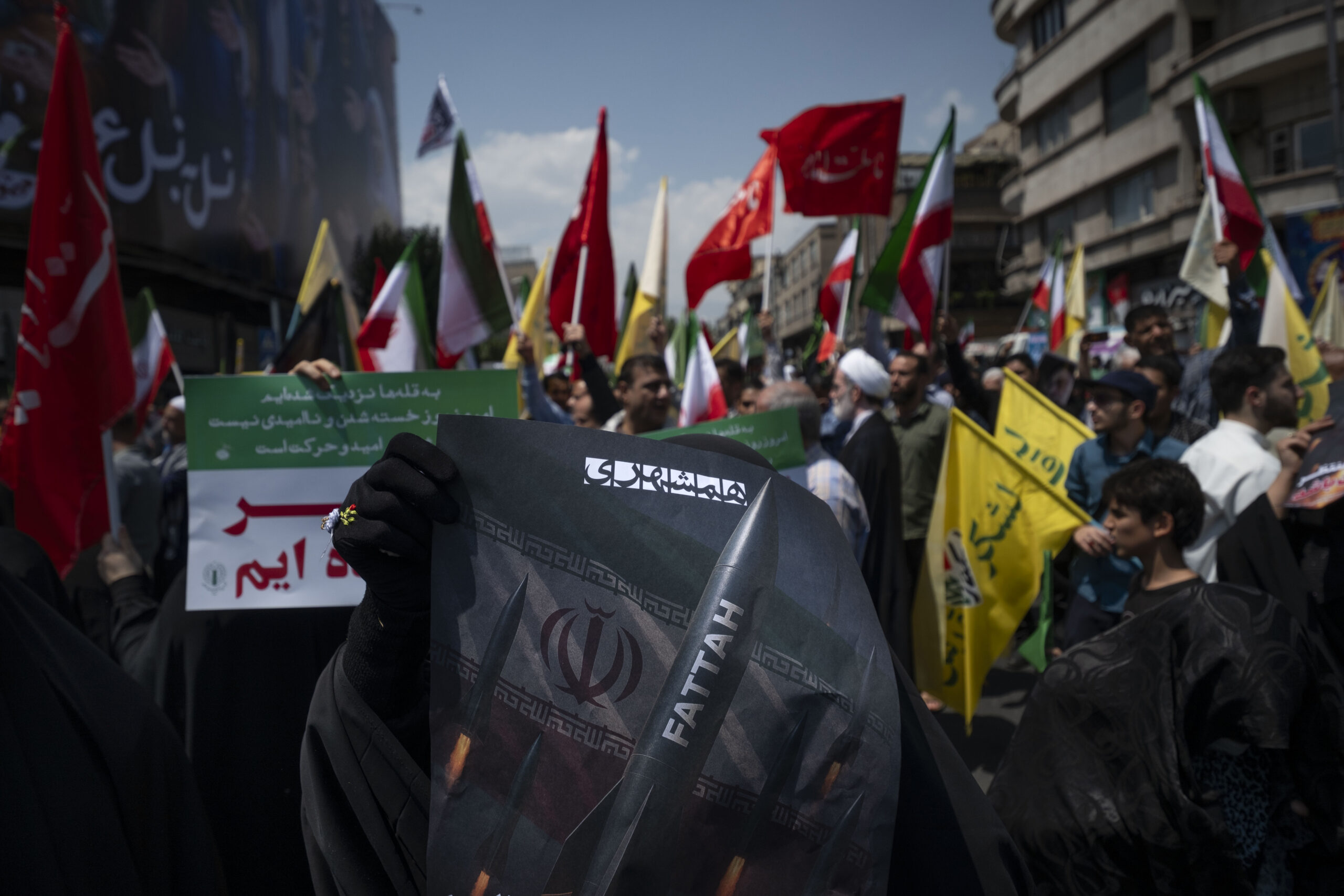
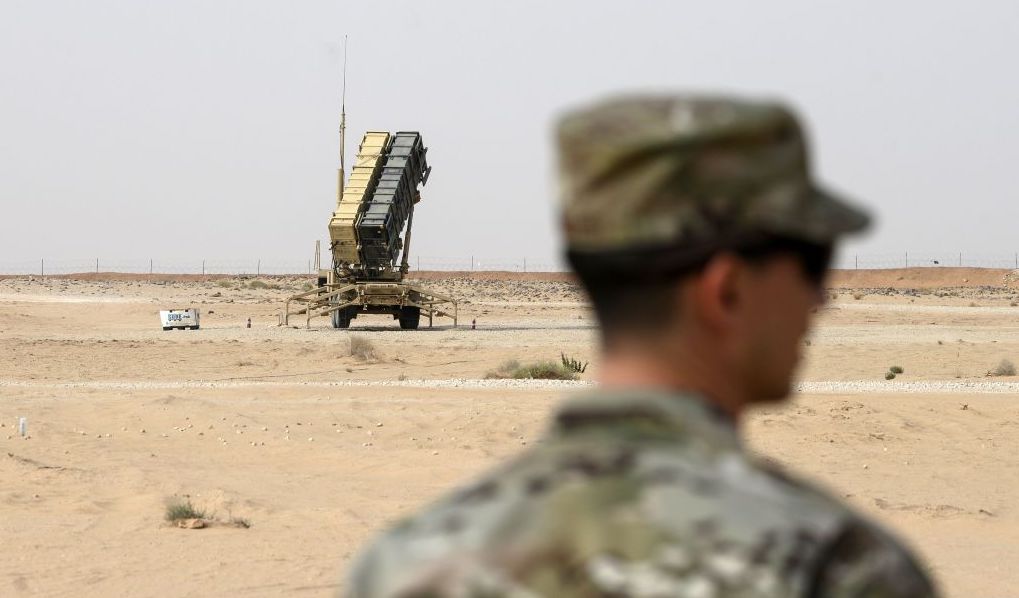
Press Briefing: Regional Security Amid Iran-Israel Escalation
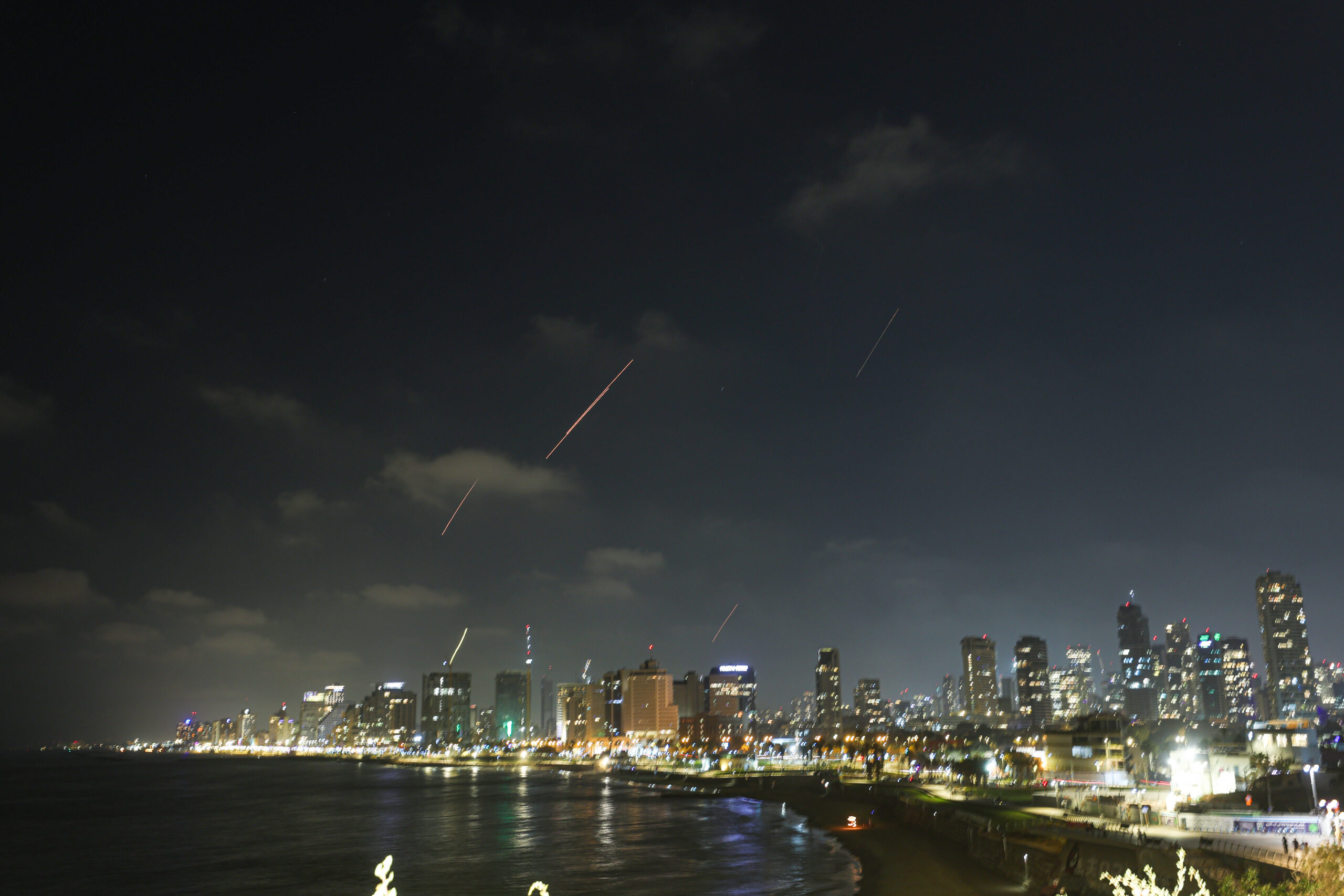
مائدة مستديرة للخبراء: ردود الفعل الإقليمية على الصراع بين إيران وإسرائيل
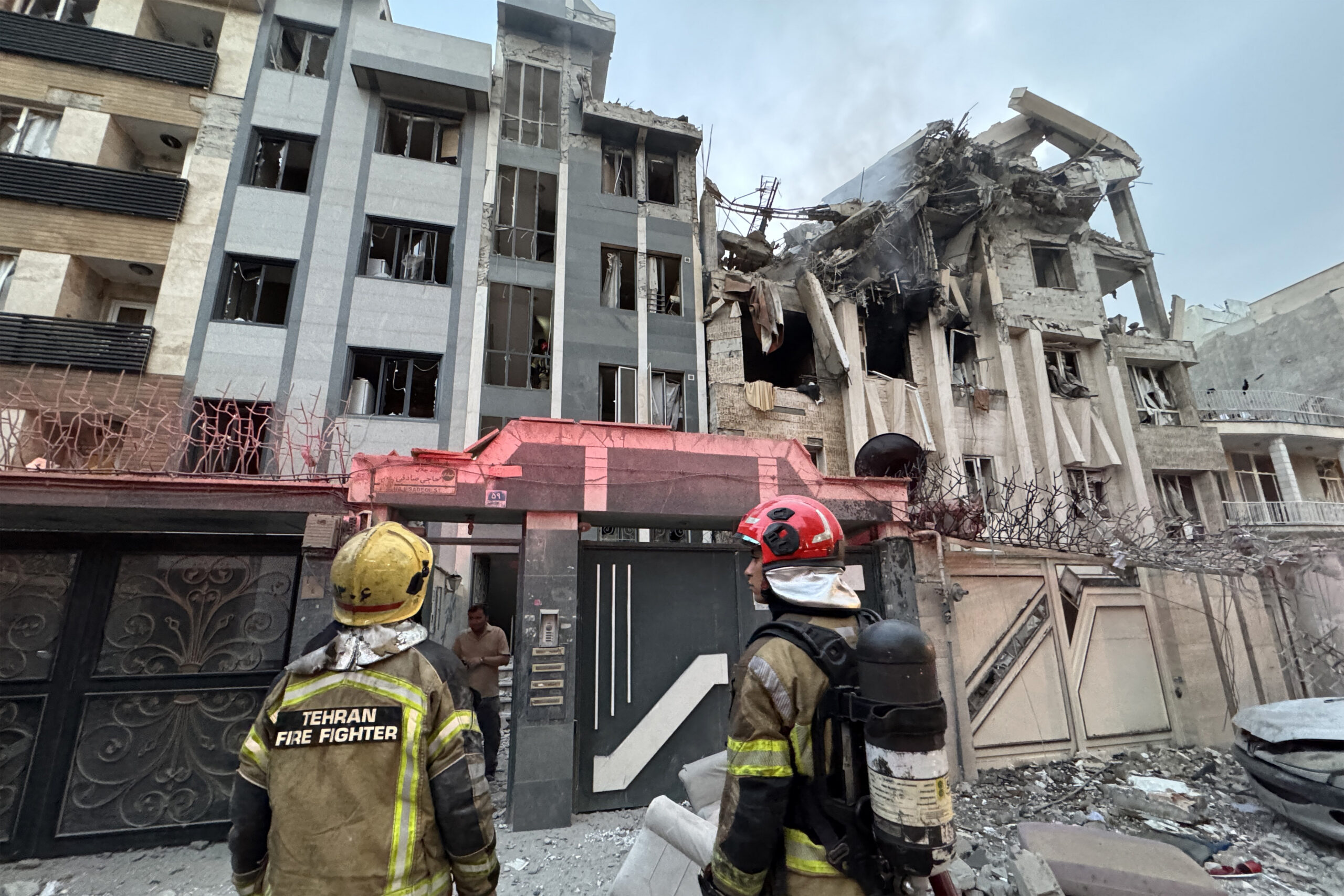
Press Briefing: Assessing Israel's Strike on Iran and What Comes Next
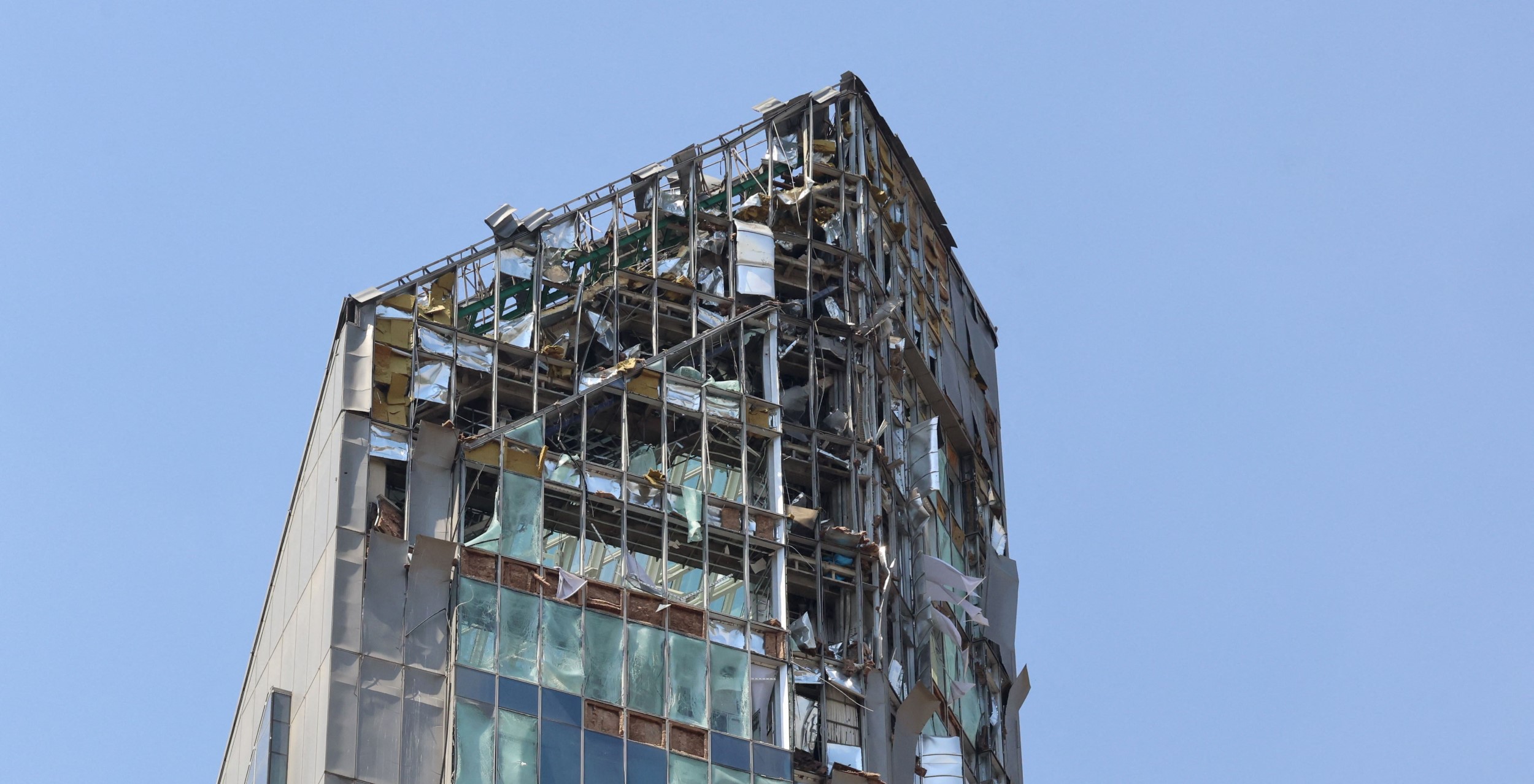
إحاطة خاصة: إسرائيل تضرب برنامج إيران النووي
خبراء معهد الشرق الأوسط يعلقون على الضربات الإسرائيلية على البرنامج النووي الإيراني وعواقبها على المنطقة بأسرها.
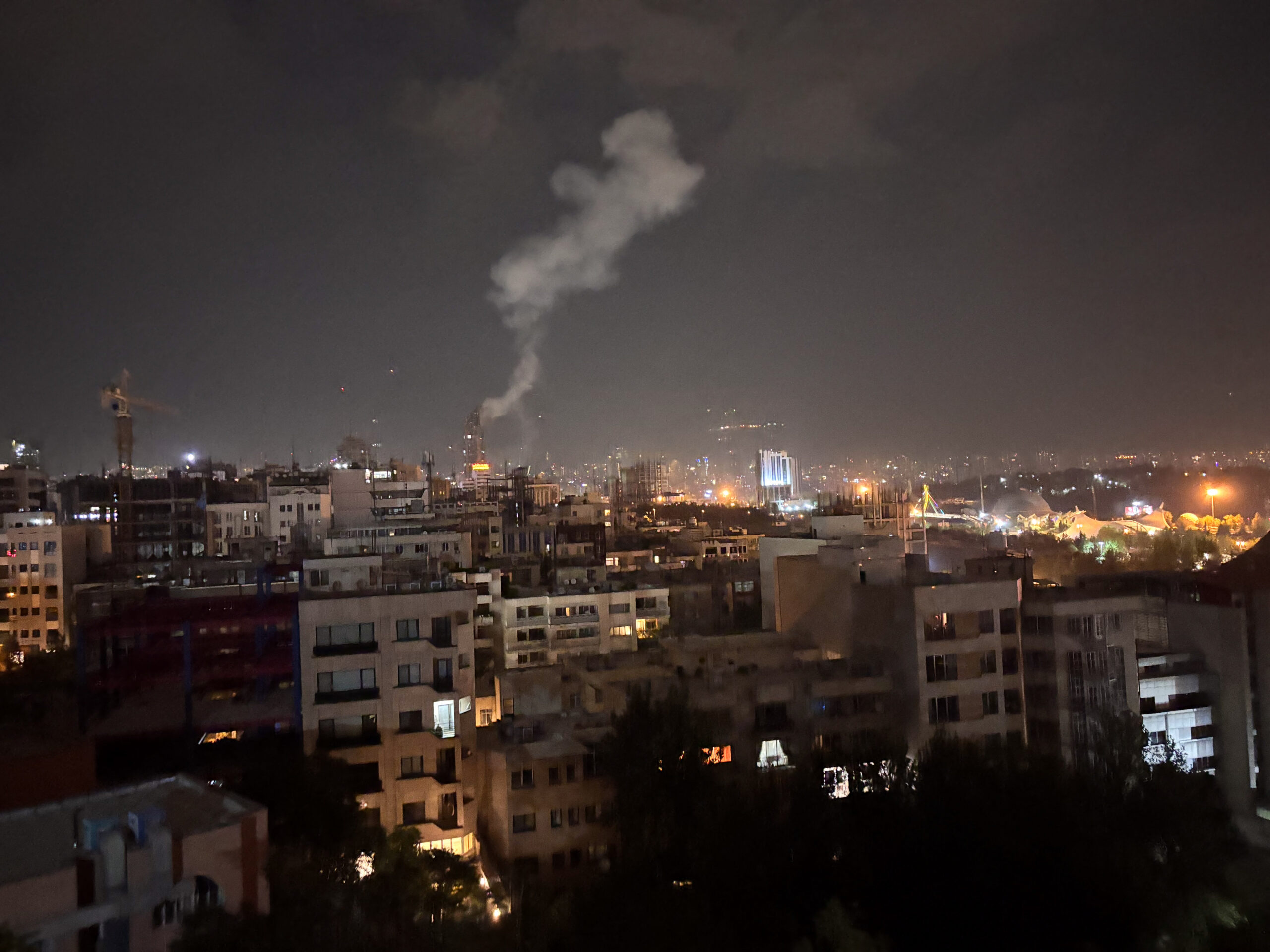
The real threat from Iran: Tehran’s most dangerous option for responding to Israel
Last night, the government of Israel decided to roll the dice on a military solution to Iran’s decades-long pursuit of a nuclear weapons capability. Given the remarkable capabilities of the Israel Defense Forces, the operation could do tremendous damage to the Iranian nuclear program. But then comes the hard part.
Press Briefing: Israel Targets Iranian Nuclear Sites as Regional Tensions Rise
Lebanon at a Crossroads: Sovereignty, Hizballah's Disarmament, and the Road to Reform
MEI Senior Fellow Paul Salem joins the program to assess Lebanon’s rapidly shifting political landscape. With a new president and government promising to enact reforms and reassert sovereignty, Lebanon faces a daunting agenda: disarming Hizballah, rebuilding institutions, navigating regional diplomacy, and restoring the economy.
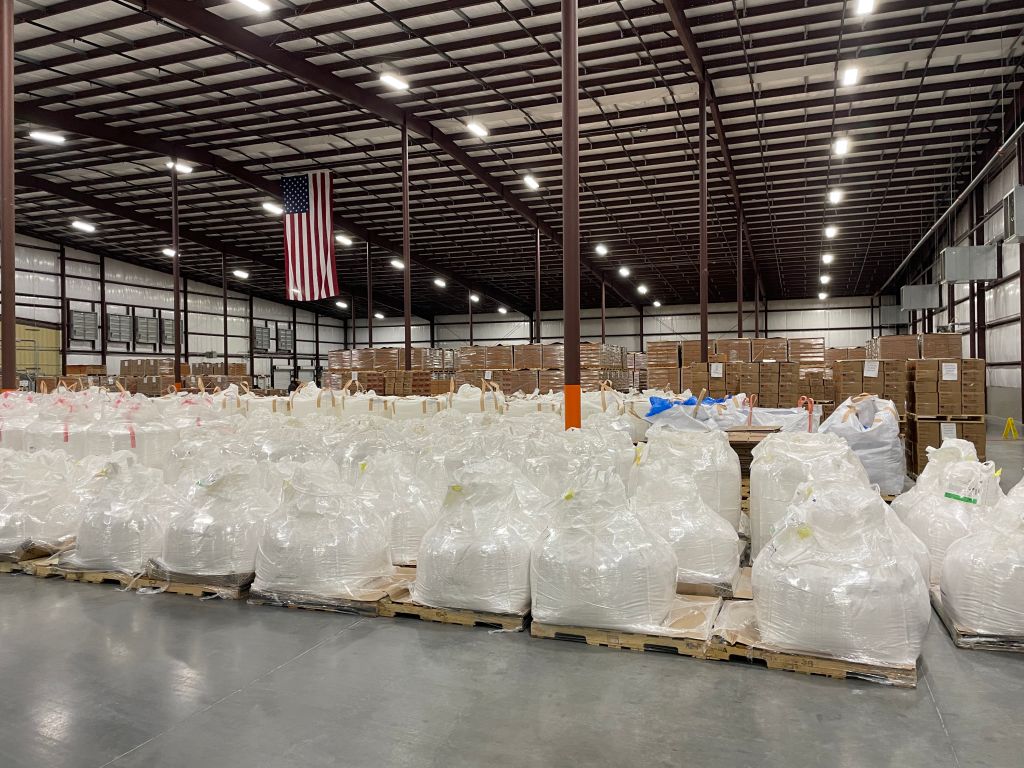
التداعيات المتتالية لخفض المساعدات الخارجية الأمريكية على الوصول إلى الغذاء والماء في شمال إفريقيا
عندما أصدرت إدارة الرئيس دونالد ترامب في أوائل عام 2025 الأمر التنفيذي رقم 14169، "إعادة تقييم وإعادة تنظيم المساعدات الخارجية للولايات المتحدة"، وطبقته، أدى ذلك فعليًا إلى وقف جميع المساعدات الخارجية الأمريكية تقريبًا. أوقف الأمر في المقام الأول صرف برامج المساعدات غير العسكرية، مما أدى إلى إنهاء مشاريع المساعدة والعقود والتوظيف الممولة من الولايات المتحدة في جميع أنحاء العالم. كان تأثير هذا الإلغاء المفاجئ للمساعدات الخارجية حادًا بشكل خاص على البرامج الإنسانية والإنمائية، مما أدى إلى شل البرامج التي تستهدف المساعدة الغذائية، والحصول على المياه النظيفة، والصحة العامة، والدعم الزراعي.
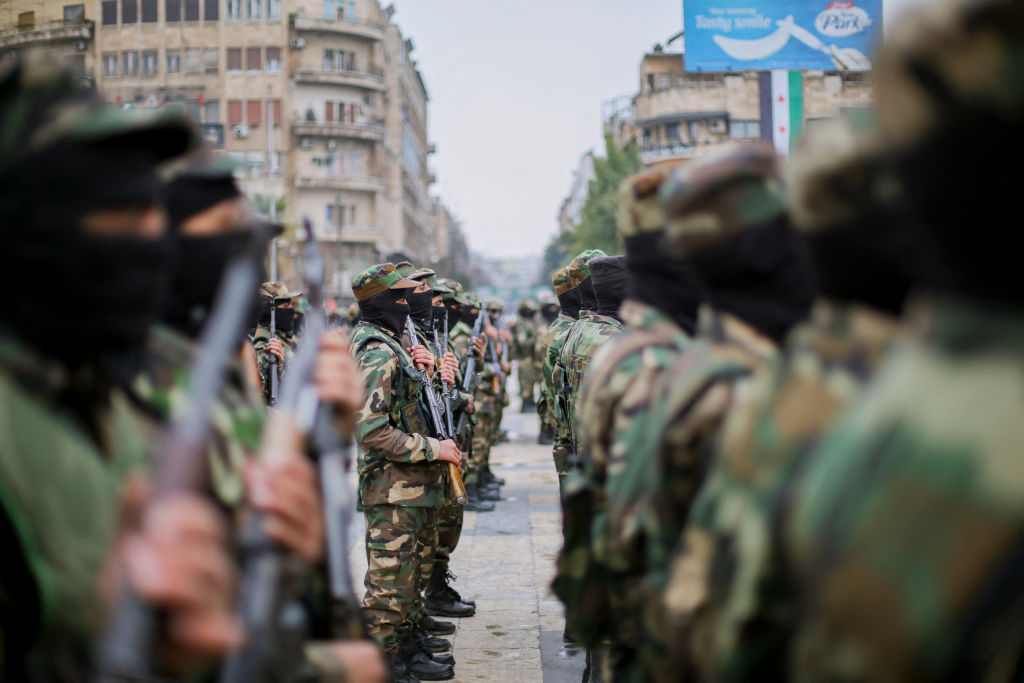
بناء الجيش السوري الجديد: الخطط المستقبلية والتحديات المقبلة
Following the fall of Bashar al-Assad’s regime on Dec. 8, 2024, after the rebel military operation “Deterrence of Aggression” and the establishment of a transitional government, Ahmed al-Sharaa, Syria’s interim president, quickly began working to form a unified national army, dismantle the existing factions, and centralize all weapons under the authority of the state in an effort to address one of the most pressing challenges facing his administration. While several initial moves have been completed, important steps in this complicated process are still pending. This article highlights the current developments surrounding the formation of the new army, including progress achieved to date and key challenges going forward.