The Unavoidable Neighbor: Managing Iran Beyond the War
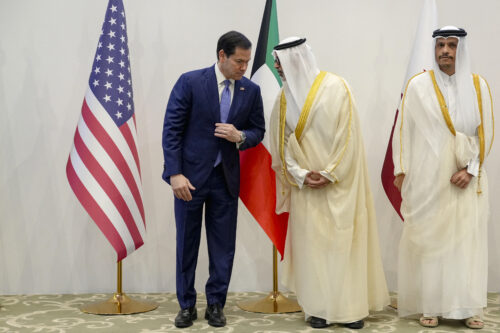
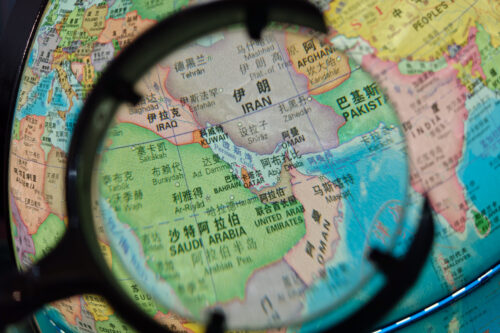
Gulf states and their partners are increasingly looking beyond their most immediate interests of containing the war with Iran. While recent talks between Saudi Arabia, Turkey, Pakistan, and Iran have kept de-escalation on the agenda, a broader regional security framework and non-aggression pact has also emerged, envisioning a longer-lasting solution to regional conflicts. The talks have yet to produce a settlement, but they reflect a growing recognition that Gulf security cannot depend entirely on Washington. Iran will still be there, and its neighbors will have to find ways of living with it.
Recent Elections and What They May Mean for the Middle East
Recent elections for the Israeli Knesset and American Congress may make less of a difference in the Middle East than some people think. Elections are significant indicators of national political trends, but do not always translate into changes in national security strategies. That is likely the case now in both nations.
The Coming Debate Over the US Military Presence in the Gulf
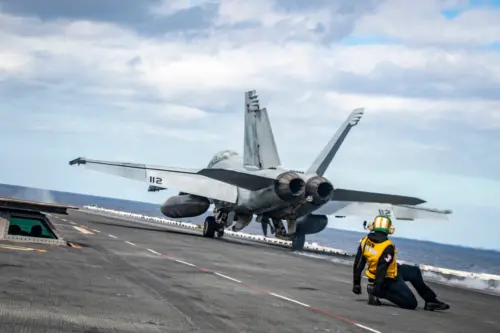
The war with Iran is hardly over, but the debate over the shape and nature of the post-conflict American posture in the Gulf region is just beginning. Undoubtedly, how the war ends will affect how the United States adjusts its role. While this debate is still in its early stages, something of a conventional wisdom is already developing in policy circles that could seriously compromise American influence in the Middle East.
Gulf Energy Markets: The Region’s Edge Will Survive — At a Price
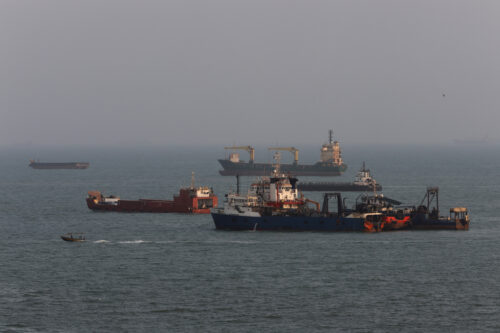
Across the Gulf, views differ widely on how the Iran war can and should end, and what the region will look like once it does. Yet on the crisis over the closure of the Strait of Hormuz, the view is near-unanimous that a repeat is not only possible but likely. That expectation, more than any single incident over the past year, is becoming a major driver of decision-making in industry and policy circles alike.
Gulf AI: The War as a Catalyst for Deepening Regional-US Strategic Tech Cooperation
When Iranian drones struck two Amazon Web Services data centers in the UAE on March 1, 2026, and damaged a third in Bahrain the same morning, many thought this could spell the end of the Gulf’s AI ambitions. Whatever the intent, the attacks highlighted the new reality that data centers have now become targets in inter-state wars.
Gulf: The War Has Shaken Relations With Washington
When President Donald Trump ordered US forces into war against Iran, the administration’s ambitions reached well beyond Tehran’s nuclear program. Trump openly encouraged Iranians to topple their government. Israeli leaders spoke of reshaping the Middle East. The war’s architects got their wish — only not in the way they intended.
Egypt: How the Iran War Has Affected Egypt’s Calculations
Egypt, which is not party to the war on Iran, has become a target as well as an intermediary in the conflict. As a result, the war has affected Egypt’s future calculations, particularly in three major areas: its economy, its security, and its regional alliances.
The conventional framing of China’s role in the Middle East in policy discourse centers on a familiar question: what challenge does Beijing pose to US primacy? The answer is often framed as a largely linear story in which expanding economic influence gradually translates into geopolitical leverage.Yet this view captures only part of the reality.
Europe did not choose the war with Iran, and most European governments still resist describing themselves as participants in it. But six months of military basing, missile-defense drawdowns, energy shocks, sanctions pressure and planning for possible migration crisis have made that distance harder to sustain.
The Houthis: Iran’s Bargaining Chip With Washington
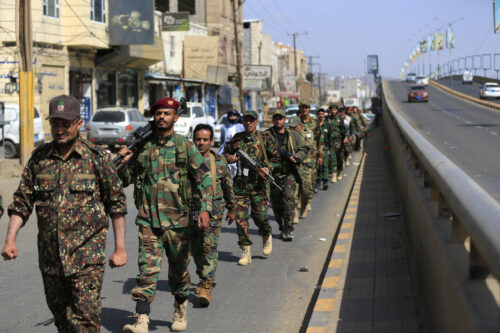
As Washington scrambled to contain the consequences of the Houthis’ dramatic advance along Yemen’s Red Sea coast last week, US Vice President JD Vance confirmed US media reports that the Trump administration was “engaged in direct conversations with the Houthis.”
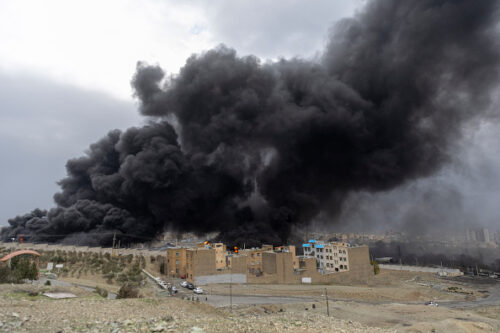
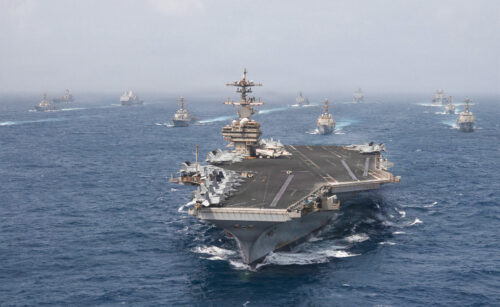
The consequences of the war with Iran are now showing up far beyond the Middle East. U.S. Patriot missile stocks in Europe are reportedly “beyond critical,” with the U.S. having burned through roughly 65% of its Patriot interceptor inventory during the conflict, while the Pentagon is extending Middle East deployments into 2027 and maintaining roughly 50,000 troops in the region, alongside 19 warships and other assets.
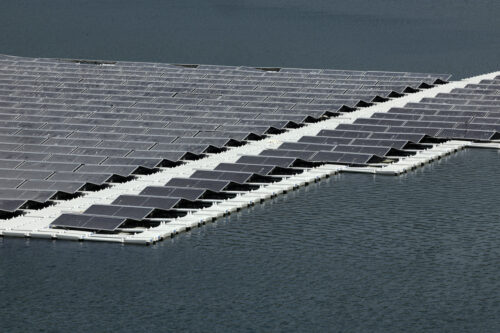
Hormuz crisis has forced Japan into rethinking – and domesticating – its energy security needs
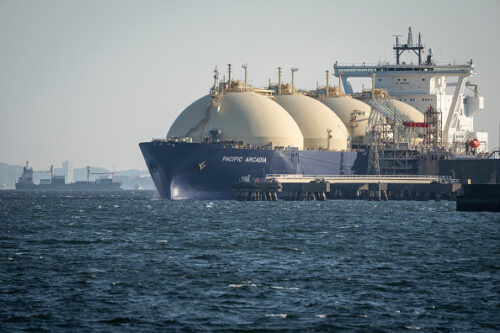
Japan’s Foreign Minister Motegi Toshimitsu phoned his Iranian counterpart, Abbas Araghchi, on Sept. 8, 2026, to express concern over the de facto closure of the Strait of Hormuz. It was reportedly the ninth such phone call between the pair since March.
Turkey’s Nuclear Ambitions in the Post-Iran War Environment
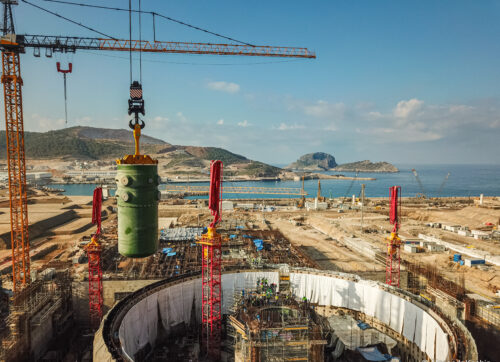
Turkish ambitions to develop nuclear weapons are not new, but the changing security environment is strengthening Ankara’s motivations and rationale for moving away from its longstanding role as a champion of nonproliferation and toward a strategy of preserving the option to build nuclear weapons without actually pursuing them. The challenge for Washington is to manage the nuclear trajectory of regional powers such as Turkey and Saudi Arabia rather than preventing them from acquiring greater nuclear capabilities altogether.
Six months into the U.S.-Israeli war against Iran, Southeast Asia’s exposure to a conflict thousands of miles away has proven durable rather than transient — and it is beginning to function as a genuine stress test of the region’s institutions, not just its energy bills.
America at War Again. What the Iran War Reveals About U.S. Global Leadership
The U.S.-Iran war has become the most consequential American military engagement in the Middle East since the 2003 Iraq invasion. Despite periodic ceasefires and diplomatic efforts, the conflict has revealed that 21st-century power is not determined by military dominance alone. The United States has demonstrated unmatched force-projection capabilities, severely degrading Iran’s conventional forces, yet battlefield success has not produced a durable political settlement or fundamentally altered Tehran’s strategy. Instead, the conflict has settled into a cycle of coercion, adaptation, economic pressure, proxy warfare, and renewed confrontation.
America Asked Allies to Do More. They Are Also Preparing for a Less Predictable Washington
Taiwan has proposed an 18% increase in its defense budget for 2027, pushing military spending above 3% of GDP as Chinese military and political pressure grows. The move comes as the United States remains engaged in its six-month war with Iran and has deployed its last aircraft carrier in the western Pacific to the Middle East, temporarily leaving the region without a US carrier presence.
North African governments have sought to remain outside the US-Iran conflict, regardless of their differing alignments and preferences. Geography insulates them from the fighting, but not from the consequences. That duality is the region’s predicament: what makes North Africa useful to others is what leaves it exposed.
Trump’s South Caucasus Peacemaking Is His Most Successful, but It Remains Unfinished
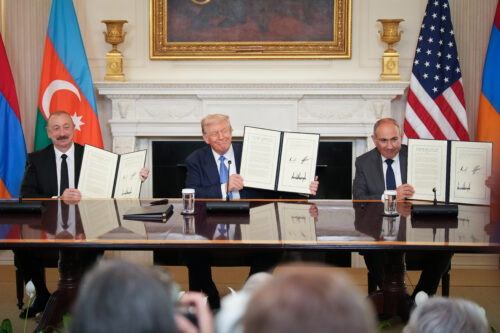
Of all the fronts in President Trump’s peacemaking agenda, the South Caucasus has delivered the most concrete results. The August 2025 Washington Declaration, signed between Armenia and Azerbaijan and witnessed by Trump, marked an important step toward peace in the region. The two sides initialed a peace agreement and advanced plans to unblock regional connectivity, including through the establishment of the Trump Route for International Peace and Prosperity (TRIPP), which would connect Azerbaijan to its Nakhijevan exclave through southern Armenia. Implementation of TRIPP has since made notable progress, but construction has yet to start. A breakthrough on those two tracks would, in turn, unlock Armenia–Türkiye normalization, transforming a long-fractured region into an area of trade and interdependence.