This article is part of a collection of short essays written by the Fellows of the Middle East Institute to explore aspects of the ongoing war with Iran. The intent of the collection is to help readers see new and unexpected elements of the dynamics and impact of the ongoing hostilities and to think harder, deeper, and broader about the implications of the conflict.
Egypt: How the Iran War Has Affected Egypt’s Calculations
Egypt, which is not party to the war on Iran, has become a target as well as an intermediary in the conflict. As a result, the war has affected Egypt’s future calculations, particularly in three major areas: its economy, its security, and its regional alliances.
Algeria and Morocco have long been at odds, but recent diplomatic moves may signal a widening geopolitical split in North Africa. Hosts Alistair Taylor and Matthew Czekaj are joined by MEI Senior Fellow Intissar Fakir to unpack Algeria’s decision to sever diplomatic ties with the United Arab Emirates and Morocco’s warming relations with both the UAE and Israel. They also explore linkages between these diplomatic shifts and the Western Sahara conflict, Moroccan domestic concerns, particularly in light of this week’s elections, as well as broader regional stability.
Jardin d’Afrique: A moving memorial to forgotten migrants
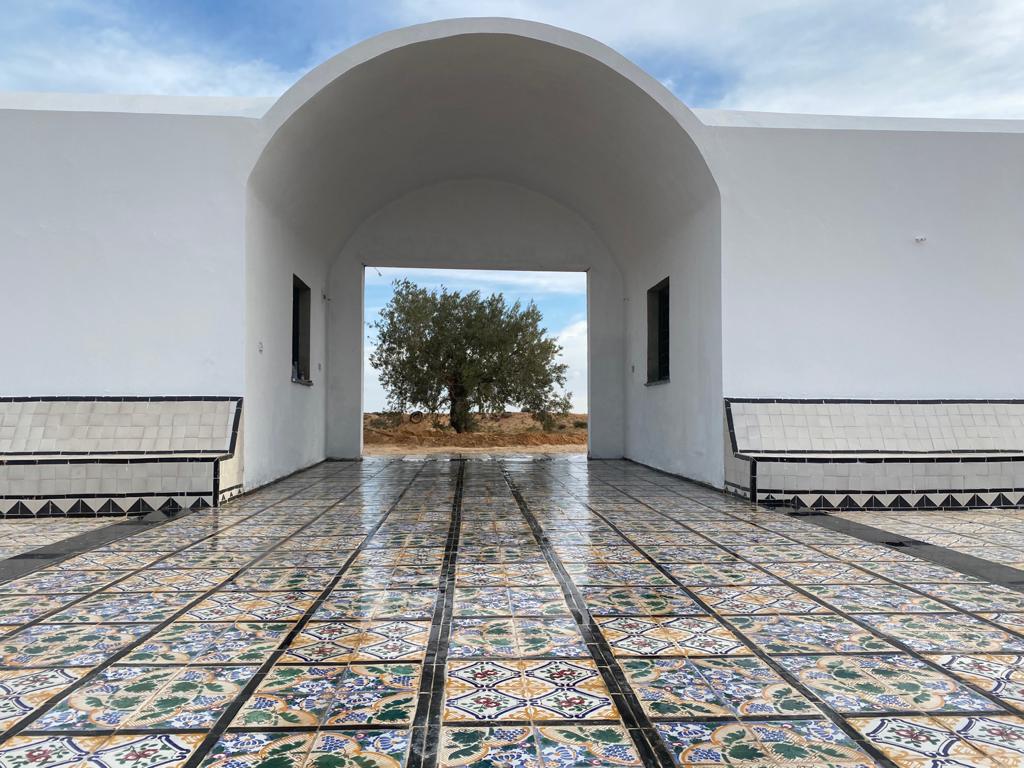
In Zarzis, on Tunisia’s southern coast, Algerian artist Rachid Koraichi has created a moving memorial to the thousands of migrants who have died crossing the Mediterranean. A hybrid of graveyard, garden, and art installation, Jardin d’Afrique has become the final resting place for over 300 souls whose bodies washed up on the shore of this tourist town.
تخوض مصر وإثيوبيا والسودان في مأزق خطير بشأن نهر النيل، وعلى الرغم مما يعتقده المجتمع الدولي، فإن خطر المواجهة العسكرية بين الدول الثلاث ليس مستبعدًا على الإطلاق. إذ بدأت أديس أبابا في المرحلة الثانية لملء الخزان خلف سد النهضة الإثيوبي العملاق في أوائل مايو/أيار دون اتفاق مع الدول المشاطئة – مصر والسودان. غير أن الكثير قد تغير خلال العام الماضي والملء الثاني يتم في ظروف مختلفة نوعًا ما عن الملء الأول في يوليو/تموز الماضي. ففي الأشهر الماضية، عززت مصر من تواجدها الدبلوماسي وظهرت كلاعب مؤثر في حوض النيل والقرن الإفريقي وشرق ووسط إفريقيا.
The promise and the pitfalls of Iraq’s tripartite New Mashreq
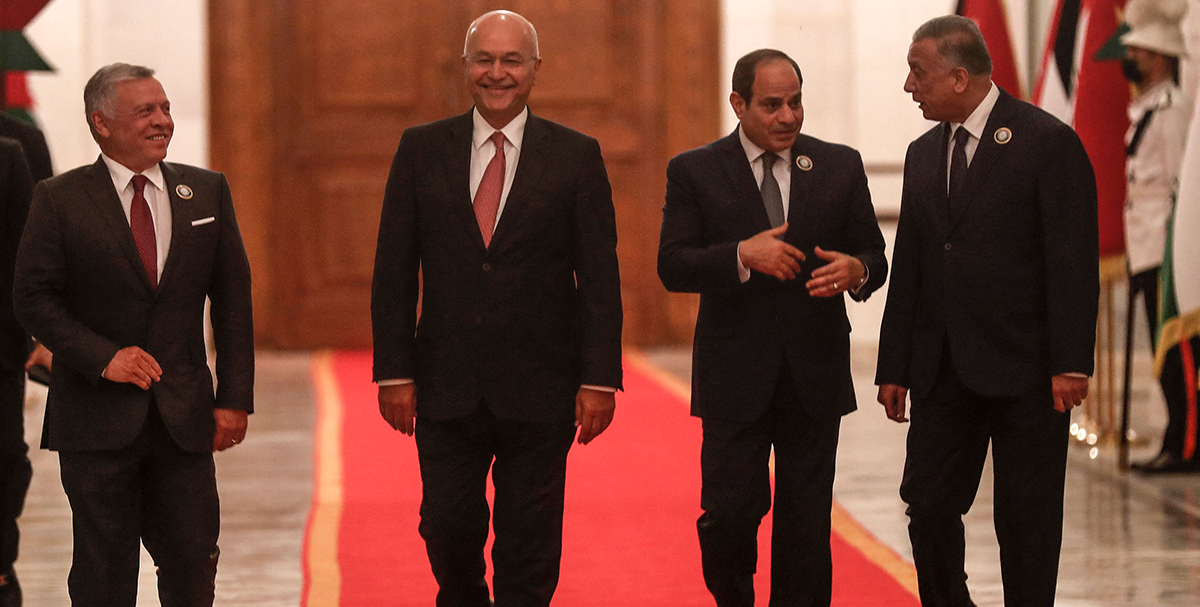
Sunday was a festive day in Baghdad. The last time Iraqis had received an Egyptian president 30 years ago, the region was gearing up for war and uncertainty as the late President Hosni Mubarak shuttled between Baghdad and Gulf capitals prior to Saddam Hussein’s invasion of Kuwait in 1990. The circumstances were quite different on June 27, when Egyptian President Abdel-Fattah el-Sisi and King Abdullah II of Jordan were given the red-carpet treatment at a tripartite summit marking the fourth meeting between the leaders of the three countries aiming to form a new regional alliance.
Egypt, Ethiopia, and Sudan are caught in a dangerous deadlock over the Nile River and despite what the international community seems to think, the risk of military confrontation among the three nations is not at all far-fetched. Addis Ababa began the second phase of filling the reservoir behind its giant Grand Ethiopian Renaissance Dam (GERD) in early May without an agreement with the riparian nations — Egypt and Sudan. However, much has changed over the past year and the second filling has played out rather differently from the first last July. In the intervening months Egypt has ramped up its diplomatic outreach and emerged as an influential player in the Nile Basin, the Horn of Africa, and East and Central Africa. Cairo succeeded in forging strategic alignment with Khartoum to exert diplomatic pressure on Addis Ababa, forming webs of alliances with different regional powers across East and Central Africa and the Horn of Africa to project power and influence, and exerting geopolitical forward pressure on Ethiopia in parallel with the diplomatic track to solve the GERD dispute.
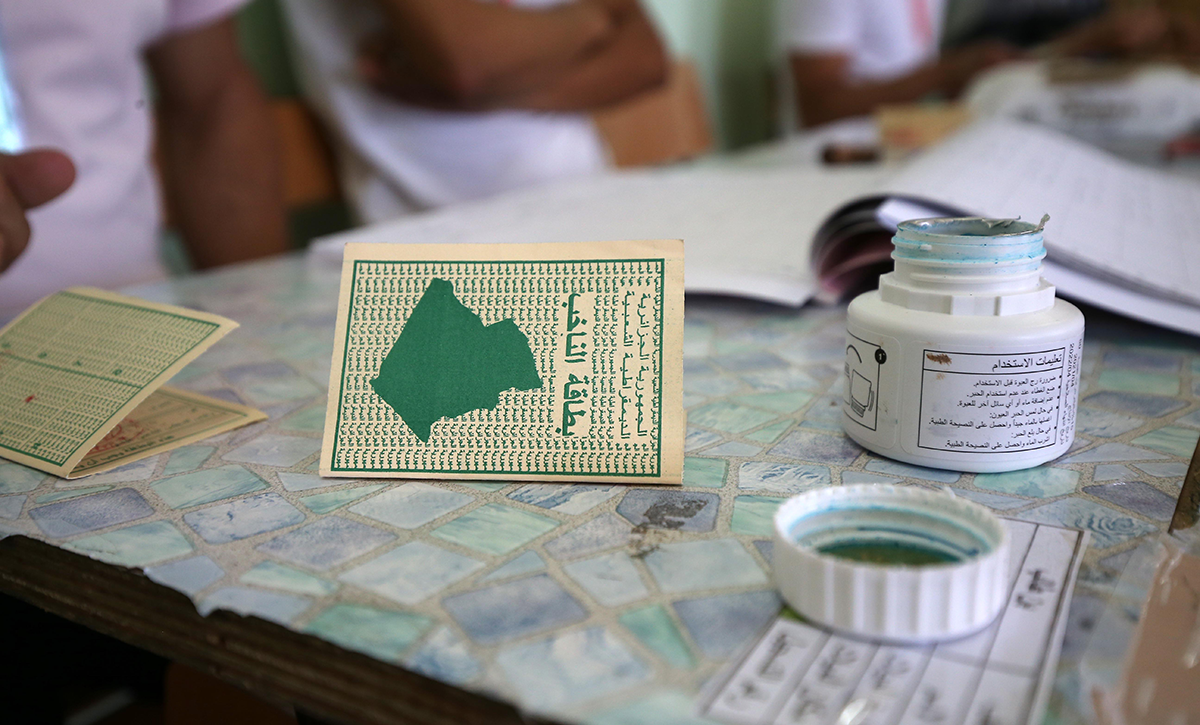
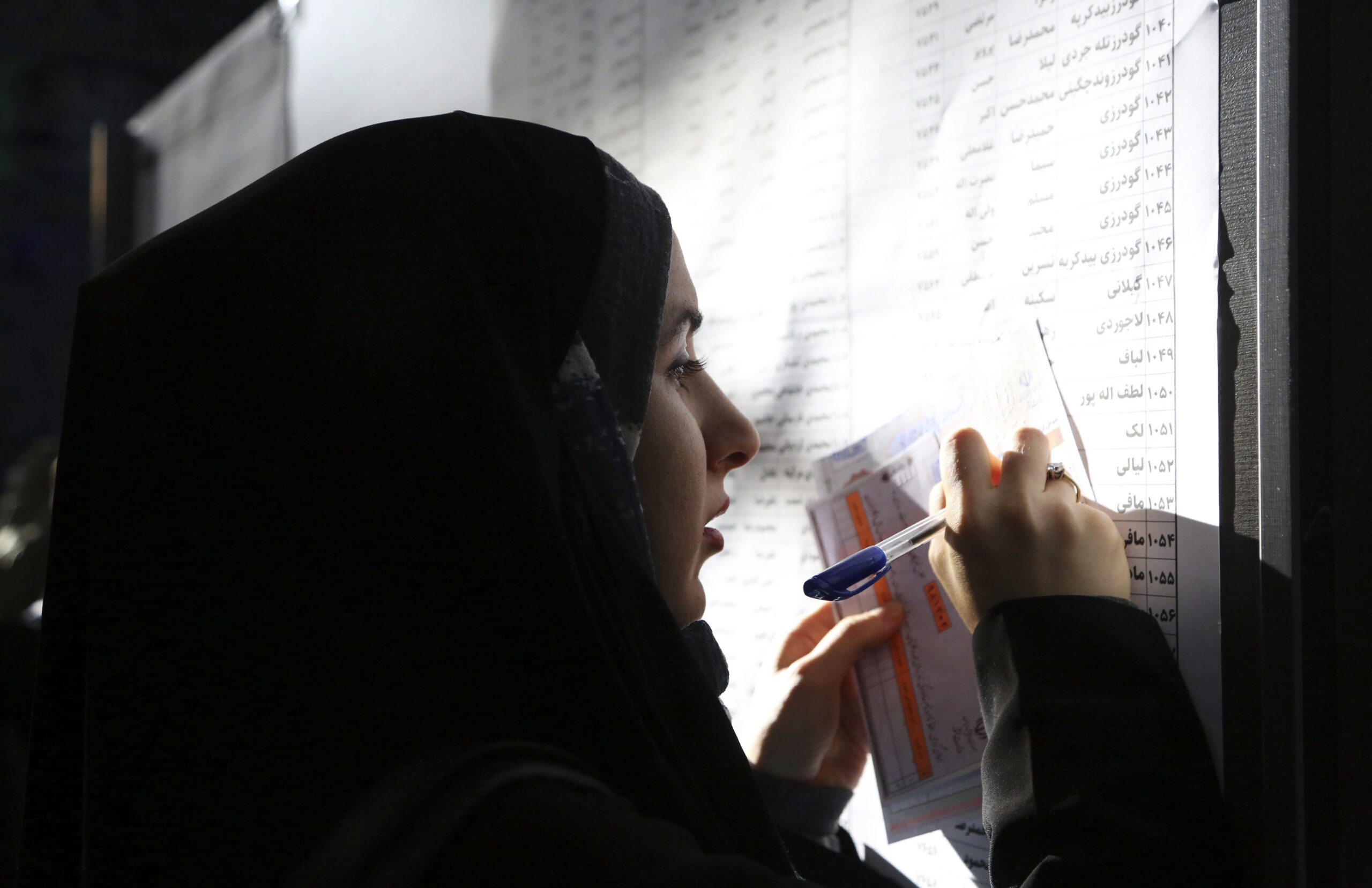
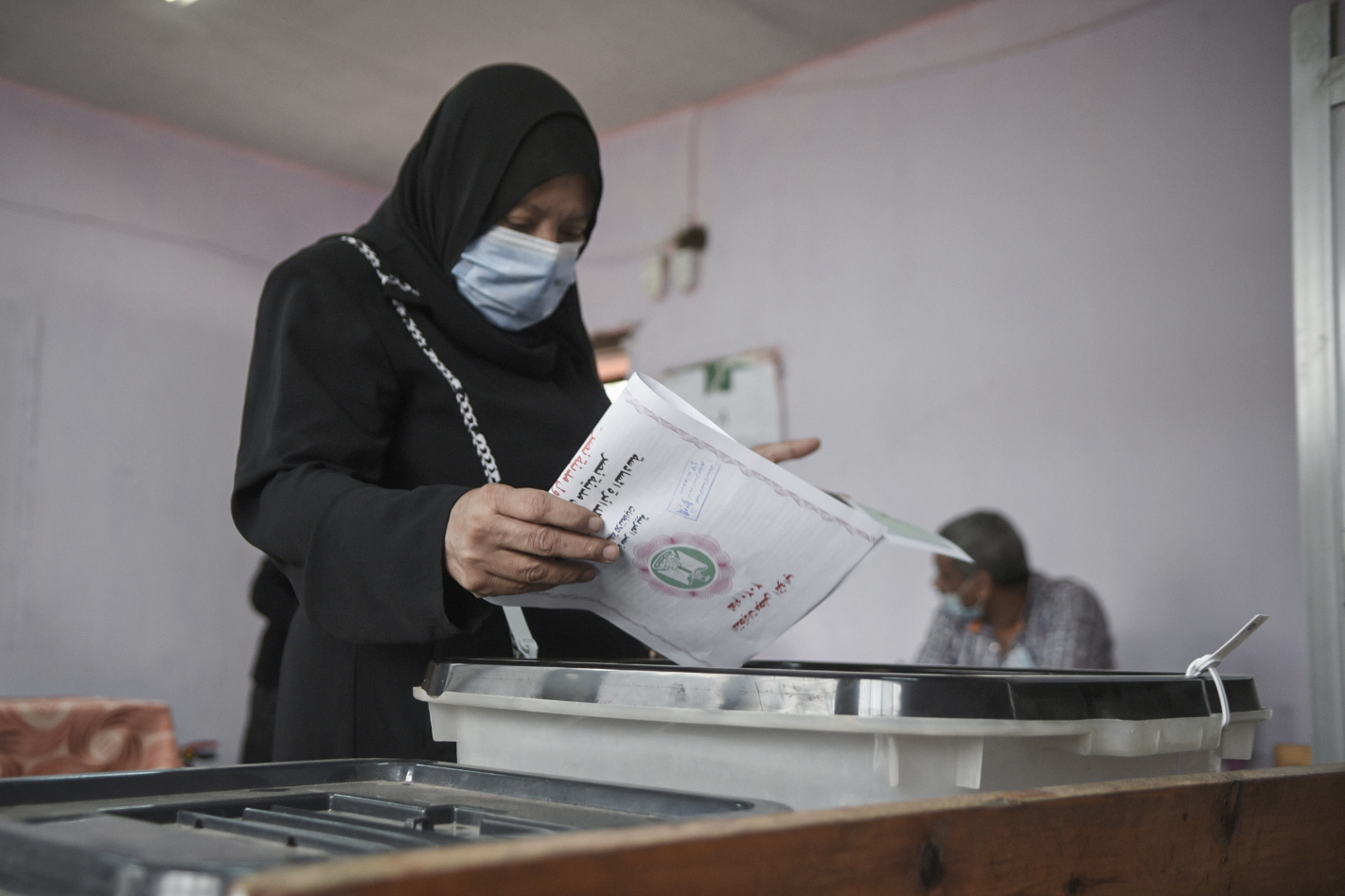
The June 12 election for the National Assembly, the lower house of the Algerian parliament, shows that the country is stuck between, on the one side, a political system led by President Abdelmadjid Tebboune and backed by the army that rejects deep change and, on the other side, a population that has lost faith in the old system. Preliminary results announced June 15 indicated the phoenix-like return of discredited political parties that had strongly supported former President Abdelaziz Bouteflika, deposed in 2019. But in a sense President Tebboune is now more isolated than ever. His remark that he didn’t care about the record low voter turnout in the election shows the distance between him and most of the Algerian public.
Is Morocco willing to jeopardize its relationship with Europe over the Western Sahara?
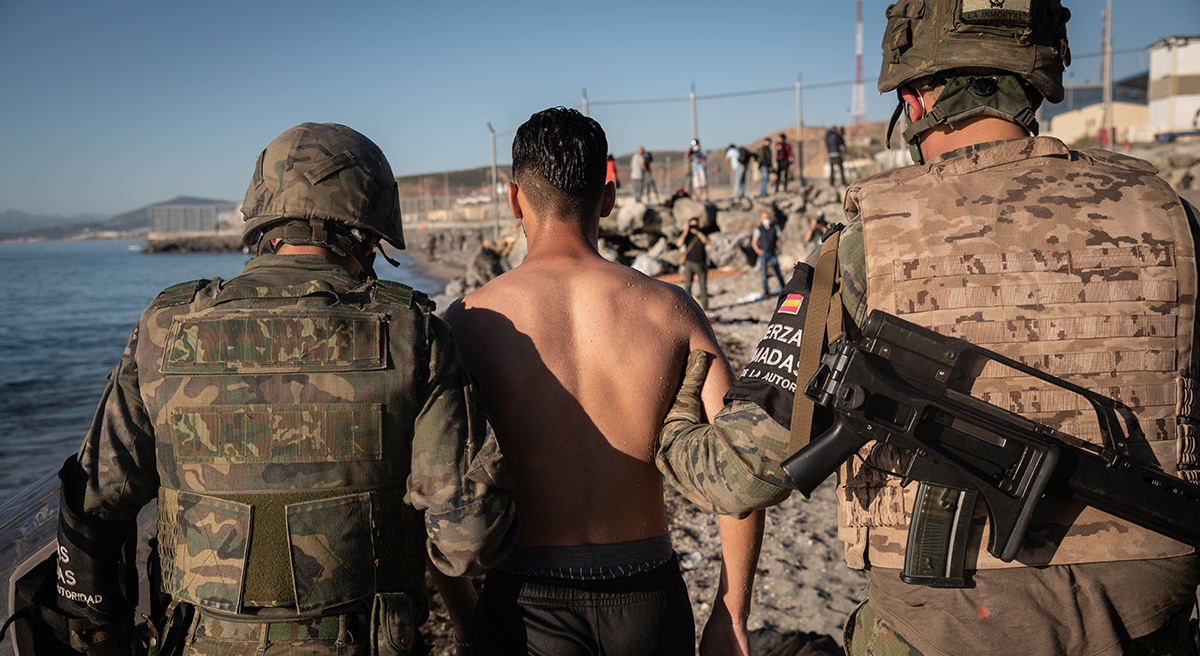
The scene was a familiar one, even if the scale was not. On May 17 and 18, thousands of migrants entered Ceuta, one of two Spanish enclaves in North Africa that border Morocco. The record flow of irregular migrants surpassed 12,000 people over the course of two days. The Spanish authorities quickly understood that this surge in migration was about more than the usual human desperation that has driven large numbers of people over fences and across water in an effort to enter Europe in recent years. Morocco, troubled over Madrid’s stance on its territorial claims over the Western Sahara, decided to retaliate.
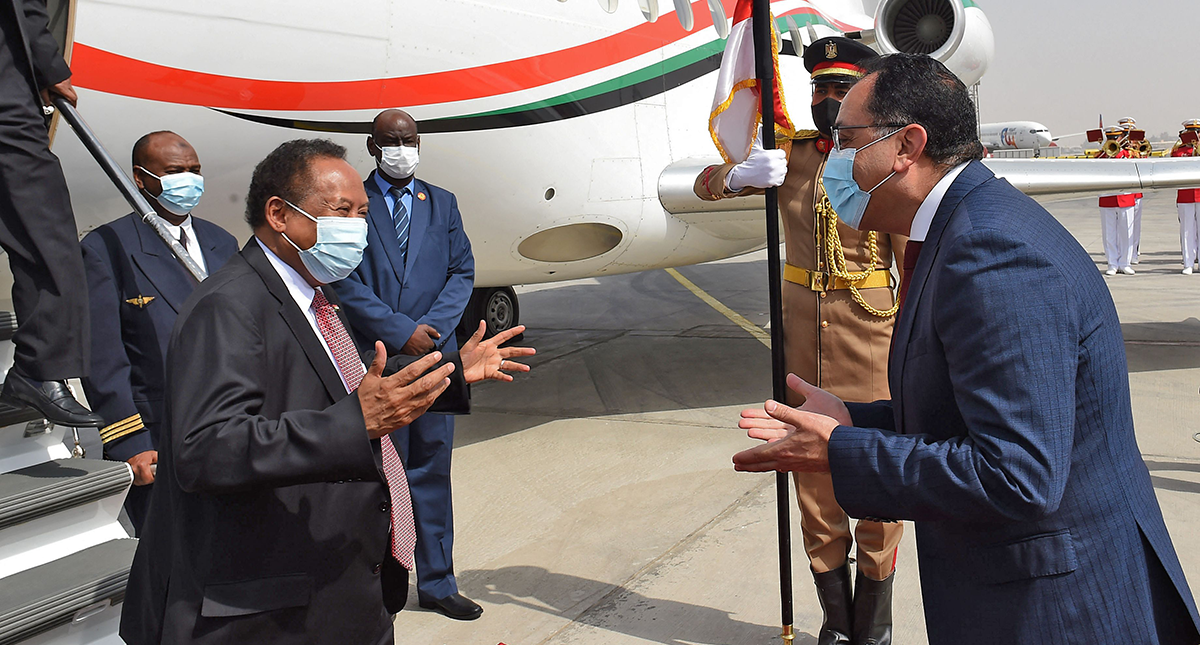
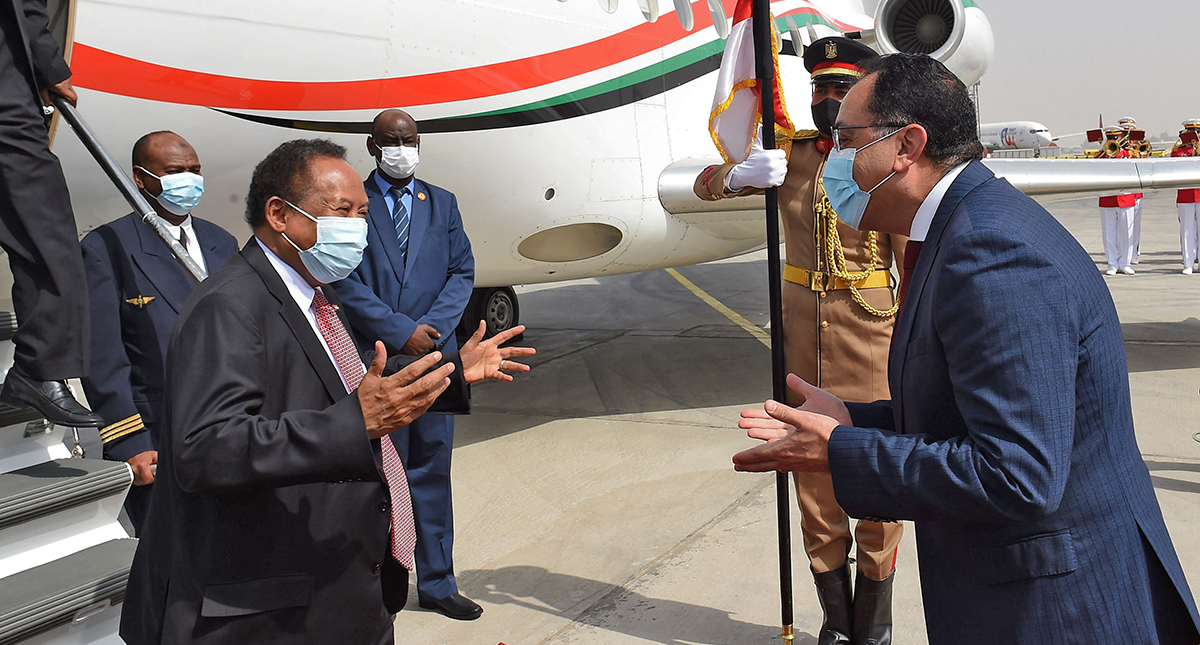
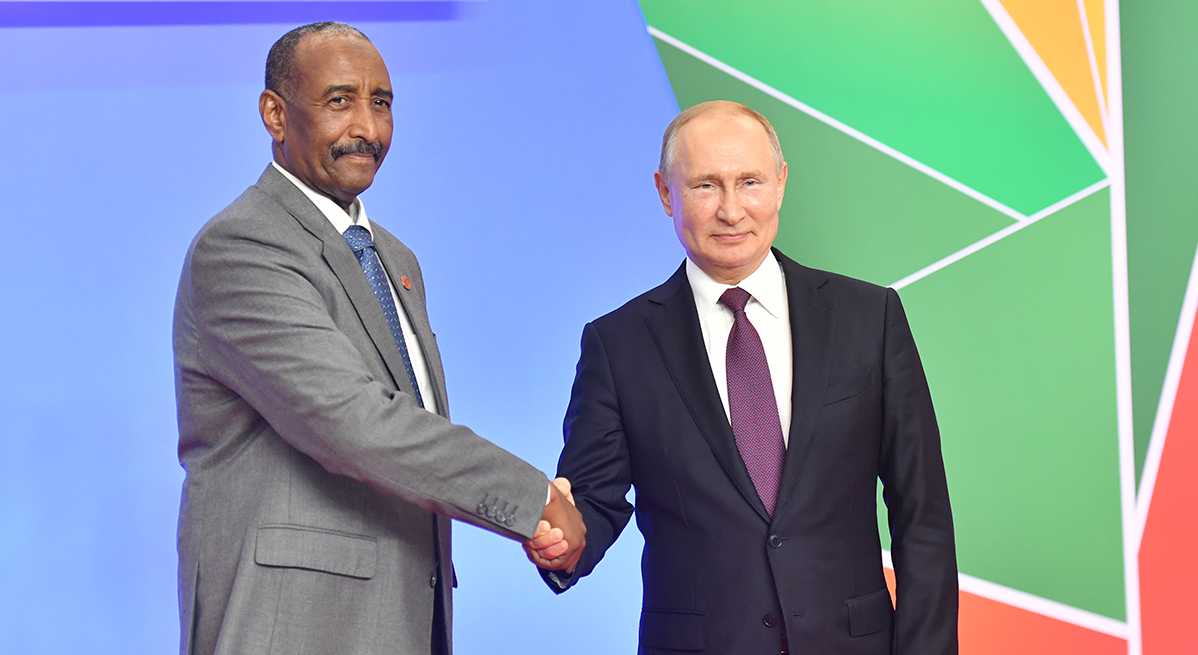
Russia’s foreign policy in areas of the Arab world and Africa where the Soviets once wielded significant influence decades ago has become increasingly assertive in recent years. One such area is Sudan, a pro-Soviet country from 1969, when Gaafar Nimeiri took power, until the communist-backed coup of 1971.
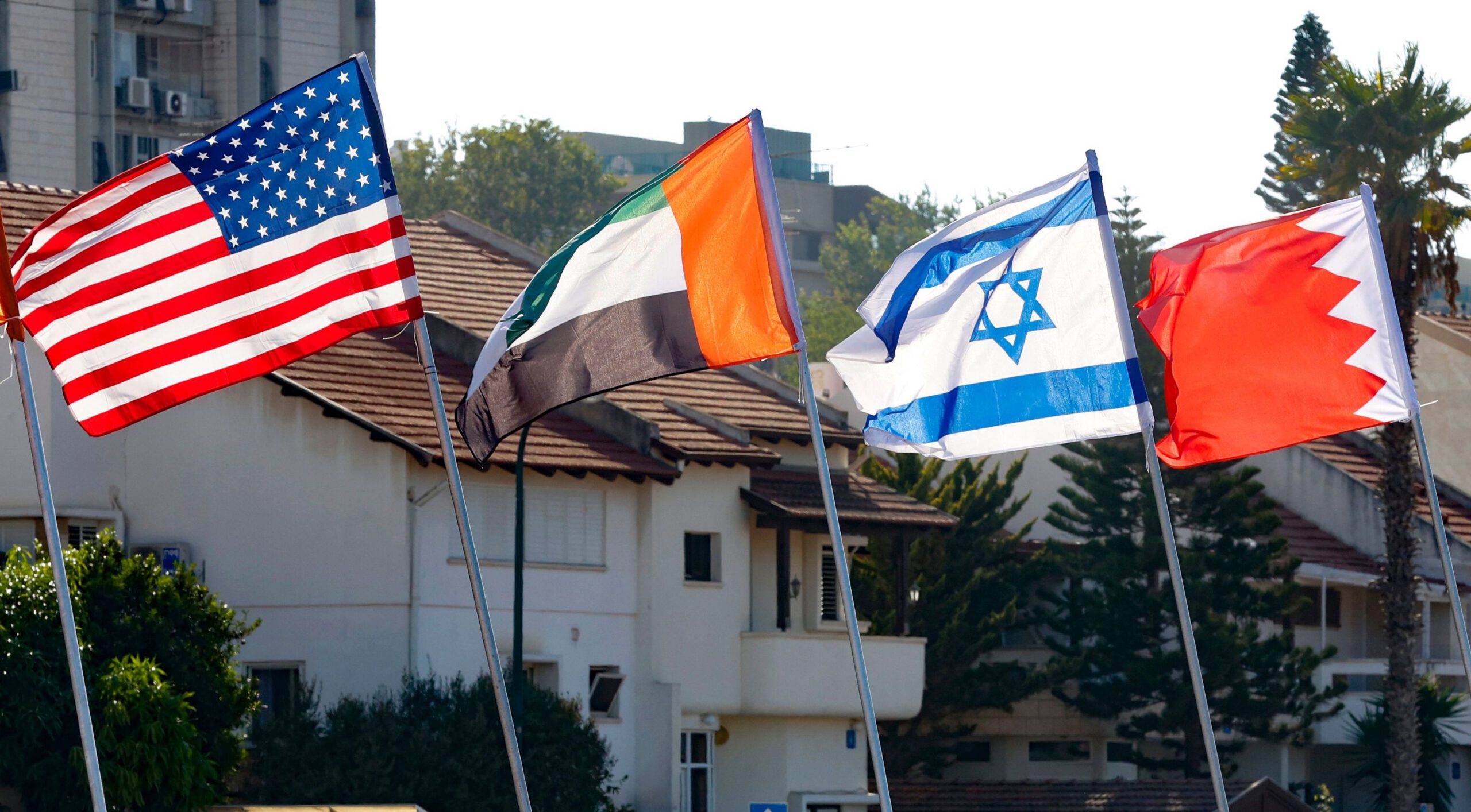
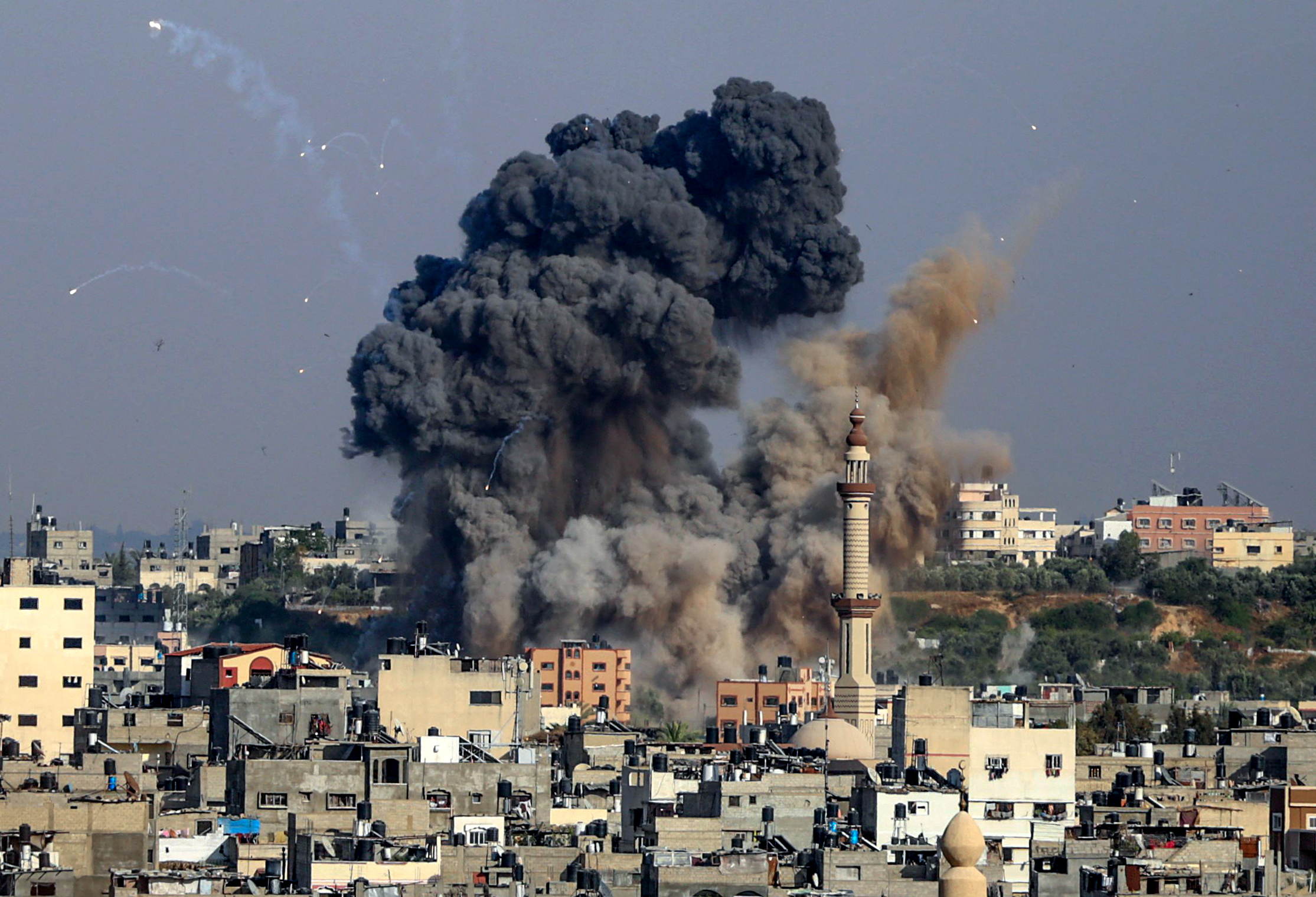
The recent round of fighting between Israel and Hamas, and especially the events that preceded it in Jerusalem, were the first significant test of the Arab-Israeli normalization agreements signed in 2020. Saved by Hamas’ intervention, the four normalizing Arab governments were nevertheless forced to address the consequences of their agreement in the face of popular discontent with the situation at home as well as criticism from other Arab and Muslim states over their relative silence. How they respond to the evolving Israeli-Palestinian tension going forward will be critical not only in regard to their own relations with Israel but also in terms of the future path of Arab-Israeli normalization.
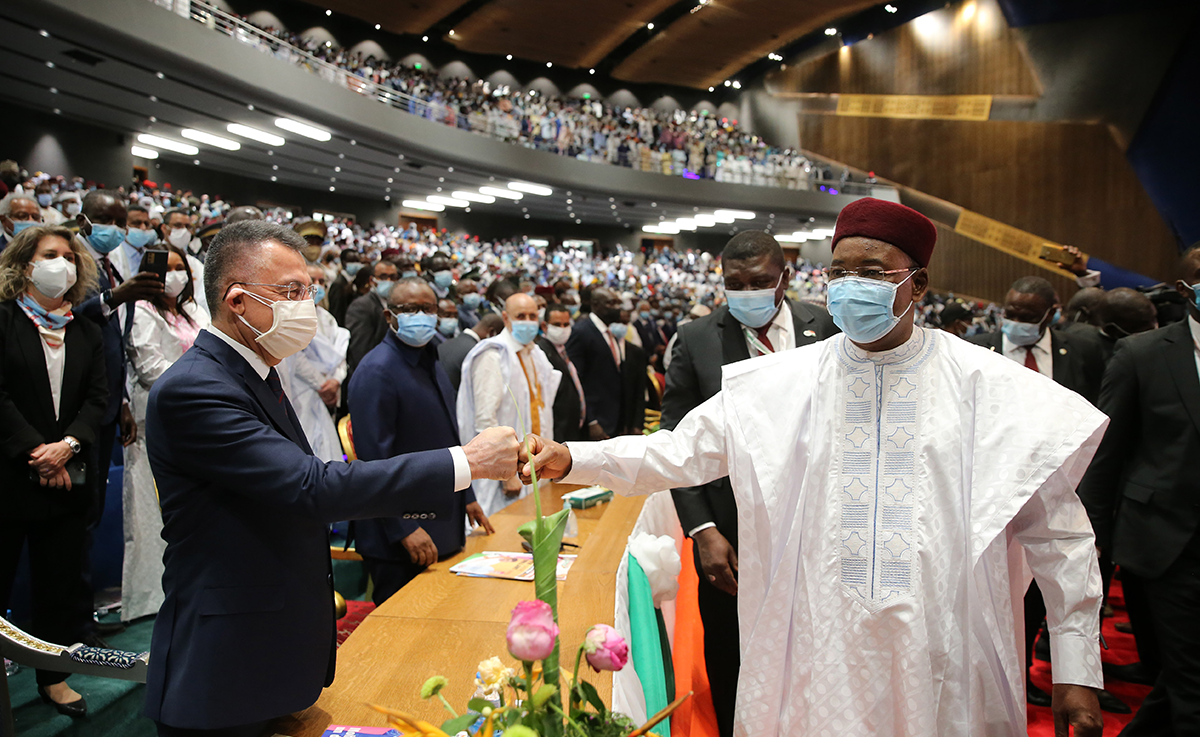
Eye on Niamey: Middle East regional powers vie for influence in Niger
Due to its relatively stable political institutions, geographic proximity to Libya, and UNSC seat, regional powers in the Middle East are competing for influence in Niger. Egypt and the UAE are trying to counter Turkey’s growing economic and security cooperation with Niger, Saudi Arabia and Iran wish to leverage its UNSC voting power, and Israel is testing the waters for a potential normalization of diplomatic relations. These rivalries are poised to intensify, as the Sahel’s geostrategic significance continues to expand.
The oldest peer-reviewed publication dedicated to the study of the modern Middle East, MEI’s flagship journal covers politics, society, and culture in the region.