This article is part of a collection of short essays written by the Fellows of the Middle East Institute to explore aspects of the ongoing war with Iran. The intent of the collection is to help readers see new and unexpected elements of the dynamics and impact of the ongoing hostilities and to think harder, deeper, and broader about the implications of the conflict.
Egypt: How the Iran War Has Affected Egypt’s Calculations
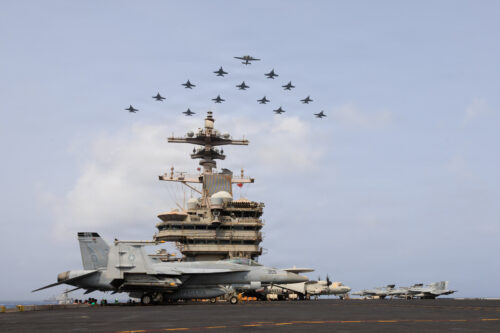
Egypt, which is not party to the war on Iran, has become a target as well as an intermediary in the conflict. As a result, the war has affected Egypt’s future calculations, particularly in three major areas: its economy, its security, and its regional alliances.
Algeria and Morocco have long been at odds, but recent diplomatic moves may signal a widening geopolitical split in North Africa. Hosts Alistair Taylor and Matthew Czekaj are joined by MEI Senior Fellow Intissar Fakir to unpack Algeria’s decision to sever diplomatic ties with the United Arab Emirates and Morocco’s warming relations with both the UAE and Israel. They also explore linkages between these diplomatic shifts and the Western Sahara conflict, Moroccan domestic concerns, particularly in light of this week’s elections, as well as broader regional stability.
This calendar lists key dates in the MENA region in 2021, broken down by month. It is subject to change and will be updated over the course of the year.
In the Middle East, cyber sovereignty hampers economic diversification
Rapid and unprecedented transformation in the Middle East, whether political, social, or technological, is forcing governments to reckon with enormous changes. Many governments are responding by attempting to pursue two contradictory paths forward — cyber sovereignty and digital transformation — and they might end up not achieving either.
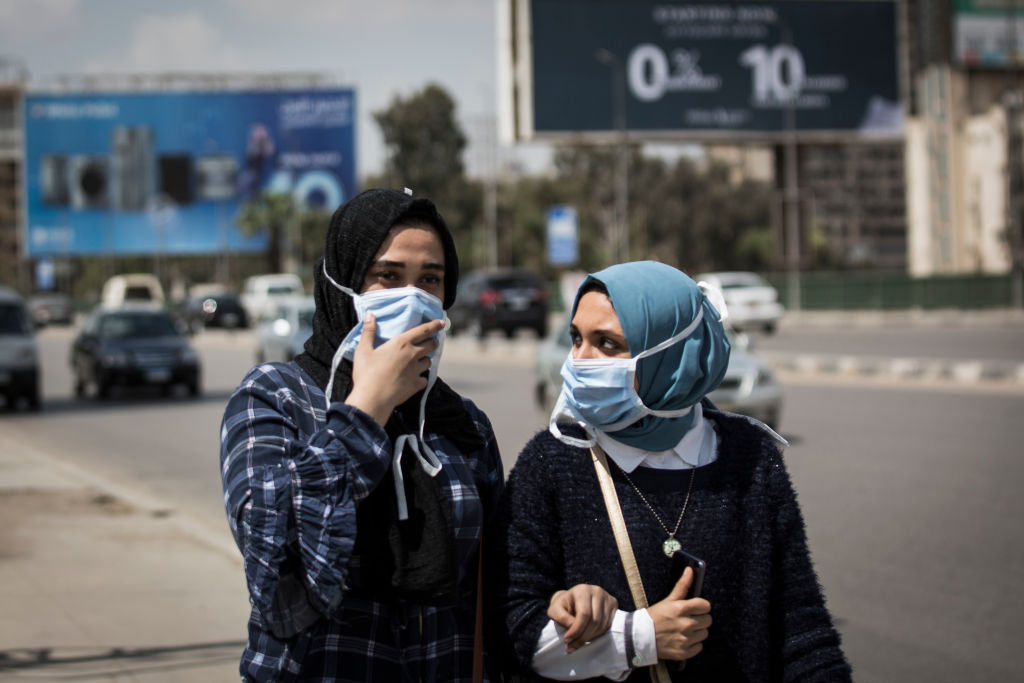
مثل الكثير من دول العالم، وقعت مصر في مُستنقع الجائحة في عام 2020. ومع ذلك، فإن قدرتها على إخراج نفسها من المُستنقع ستعتمد بشكل شبه كامل على حكومتها، وعلى الطريقة التي تختار بها مُعالجة مجموعة المُشكلات المُؤسسية التي كشفتها الجائحة.
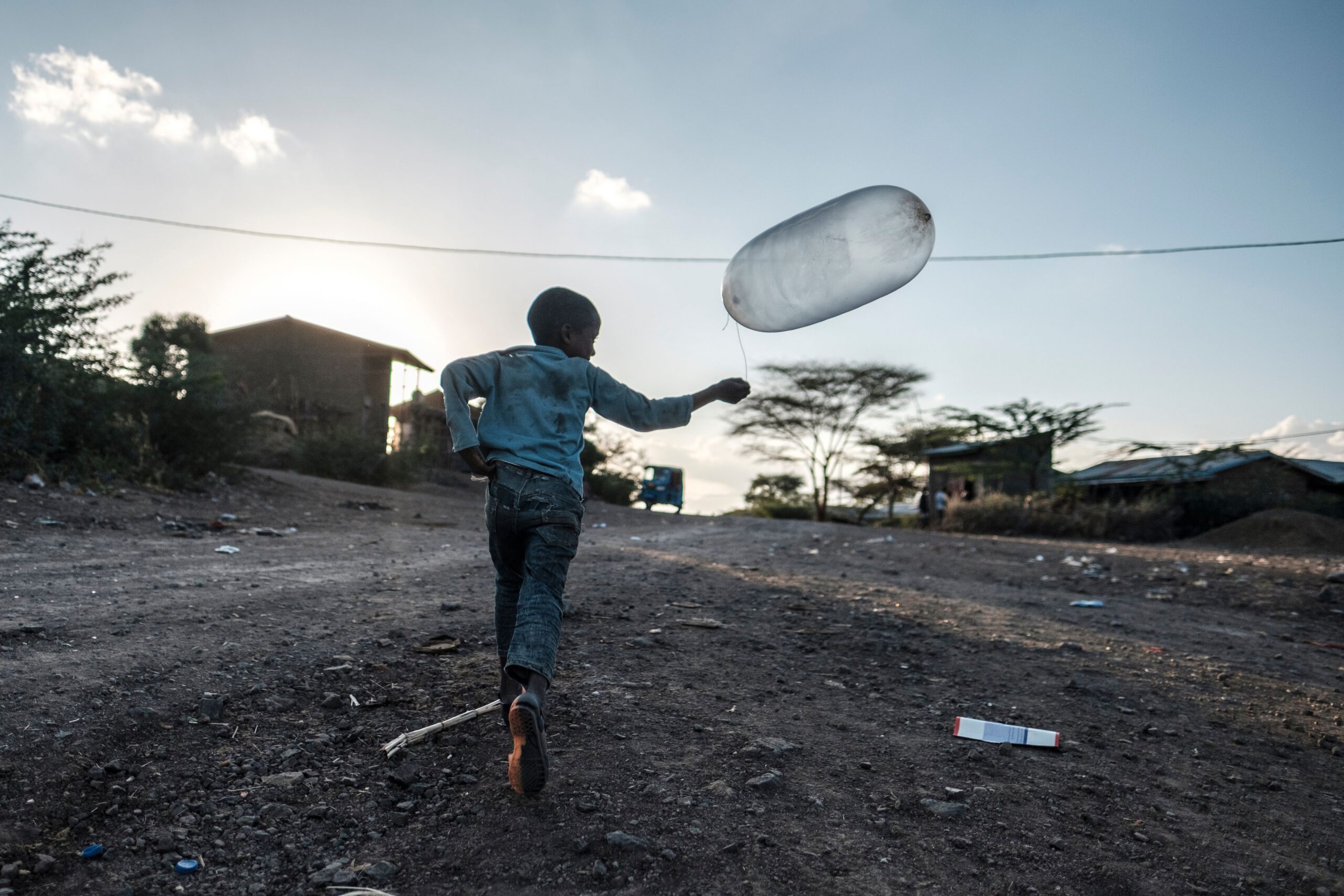
An Emboldened Horn of Africa Axis and an Unfolding Humanitarian Crisis Await the Biden Administration
As Joe Biden prepares to take office on January 20th of 2021, the U.S. and the world are facing multiple crises. Now is one of the worst times in American history as the country struggles through a major economic recession and a pandemic that has taken more than 300,000 American lives.In the Horn of Africa, his upcoming administration will grapple with longstanding challenges. However, this time, he will have to deal with the emboldened and unchecked leaders of the Horn of Africa — Prime Minister Abiy Ahmed of Ethiopia, President Mohamed Abdullahi (Farmaajo) of Somalia, and President Isaias Afwerki of Eritrea. Recently, the three leaders have formed an axis through the Horn of Africa Cooperation (HoAC) deal to consolidate security, stability, and economic integration.
China’s Libya Policy and the BRI: Sights Set on the Future
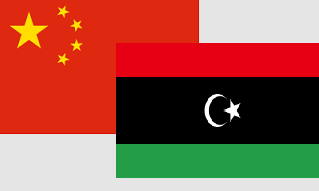
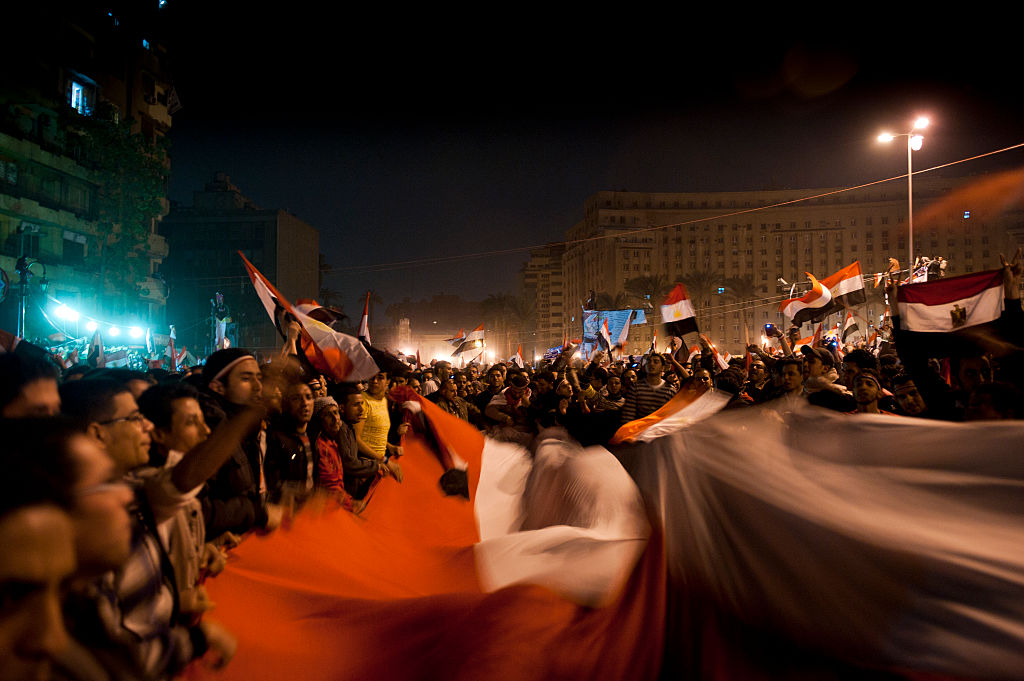
The political turmoil that has plagued the region since the Arab Spring uprisings in 2011, most notably the ongoing conflict in Libya, has made it difficult for China to realize its aim of incorporating the Maghreb into the BRI framework. This article discusses China’s efforts to protect and promote its economic interests in Libya, thereby advancing its prospects for extending the BRI to the region.
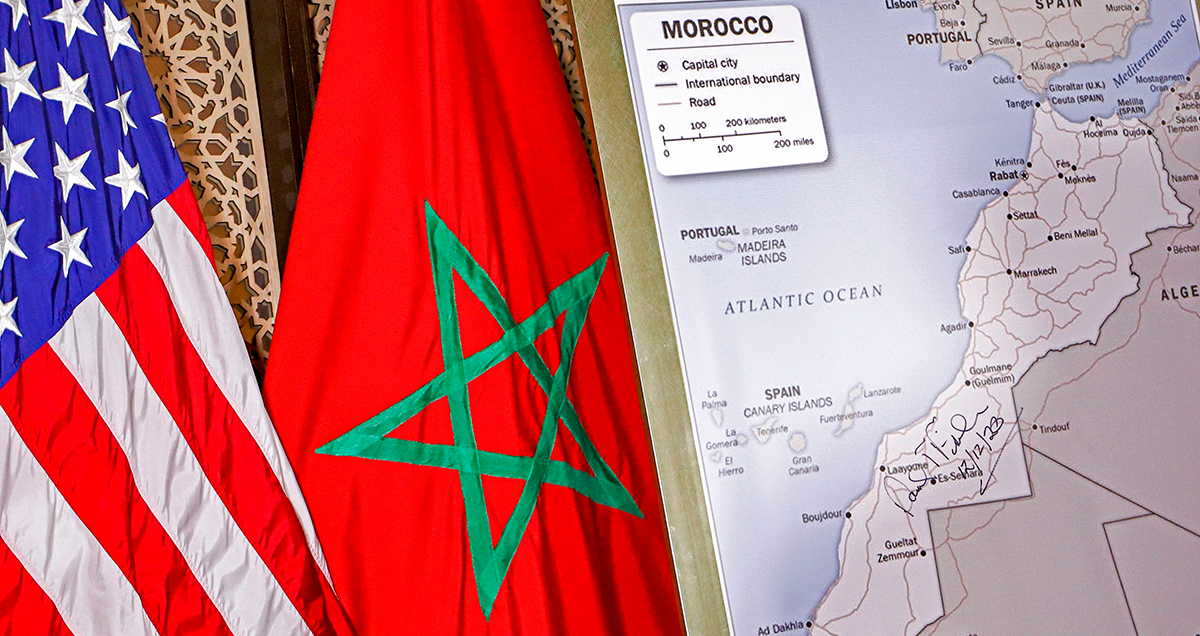
The recent exchange of quid pro quos between the U.S. and Morocco has been handled well by both sides, despite the ritual carping to be expected from opponents of the quid and the quo.
Putting up a fight: Tunisia’s counterterrorism successes and failures
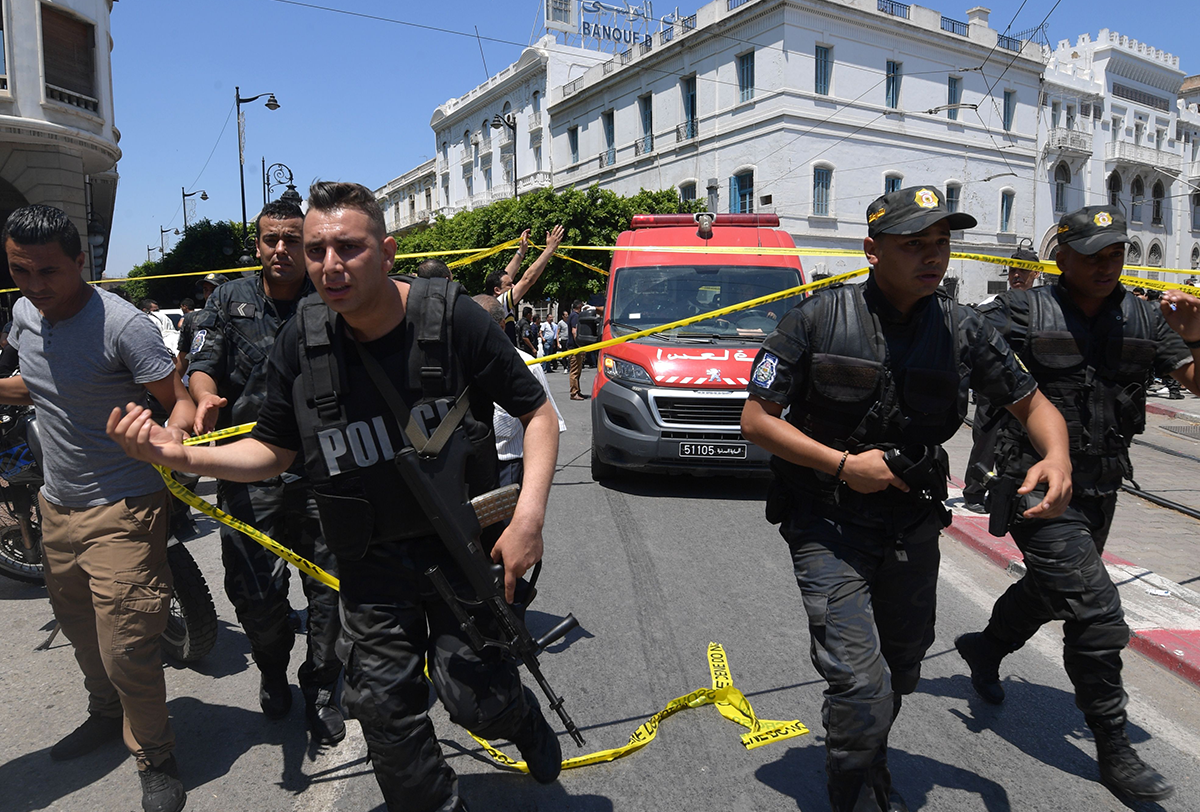
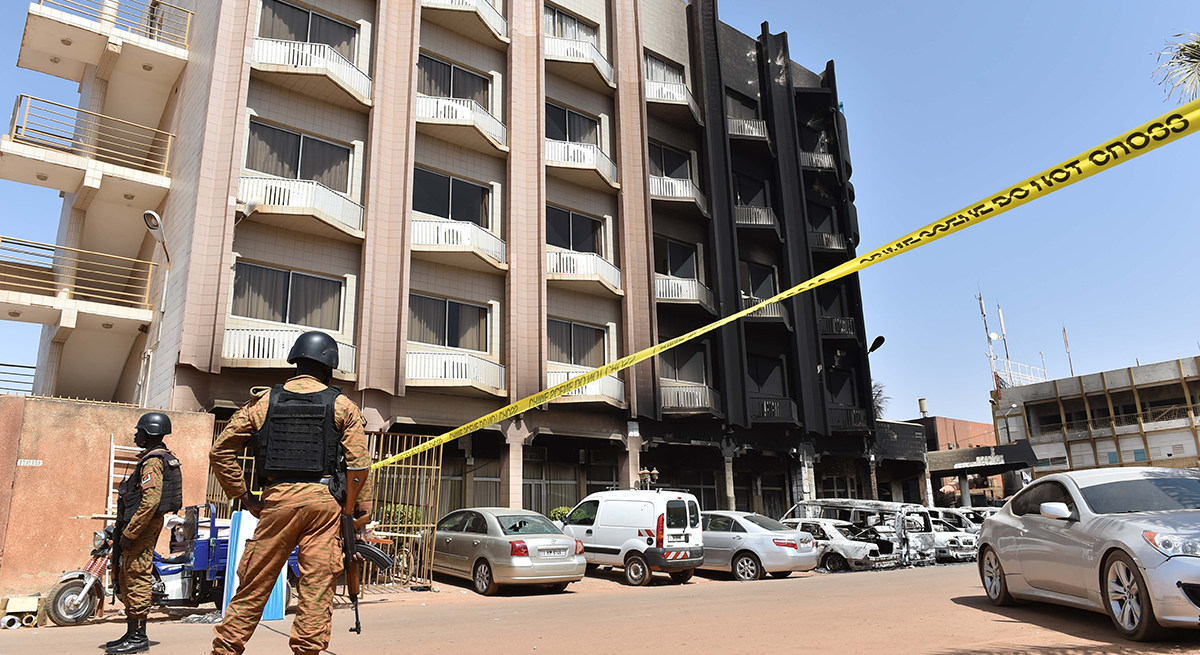
Alongside a stalled economy and a messy political transition, the decade since the 2011 revolution has left Tunisia with an intermittent yet ferocious terrorism problem. The frequency of terrorist attacks highlights the dangers posed by an uncertain political environment, widespread economic problems, and regional instability. But the fact that they have become less deadly over time also seems to underline the improvements that successive governments have made to Tunisia’s security apparatus.
A look back at the year’s most important developments with analysis from Paul Salem, Alex Vatanka, Randa Slim, Gerald Feierstein, Gonul Tol, Jonathan M. Winer, Khaled Elgindy, Marvin G. Weinbaum, Mirette F. Mabrouk, Grace Wermenbol, Syed Mohammad Ali, Robert S. Ford, and Khaldoun Khelil.
Artists Asim Ahmed, Reem Aljeally, and Jamila Rizgalla join guest host Lyne Sneige to discuss the challenges facing artists across the region during the global pandemic. Their works are featured in MEI’s first ever open call exhibition, titled “Art in Isolation: Creativity in the Time of Covid-19,” which is on display at the MEI Art Gallery until January 29. The pieces can also be viewed and are for sale online.
The Middle East and American Democracy’s Near-Death Experience
The fascination with the peaceful removal of leaders by a simple vote in the United States has always contrasted painfully with the inability of most Middle Eastern populations to do the same.
Monday Briefing: An end to the intra-GCC dispute: Headline or hype?
This week’s briefing on recent news and upcoming events in the region featuring Gerald Feierstein, W. Robert Pearson, Mirette F. Mabrouk, Paul Scham, and Marvin G. Weinbaum.
Five months after the elimination of Abdel Malek Droukdel, aka Abu Musab Abdel Wadud, the leader of al-Qaeda in the Islamic Maghreb (AQIM), by the French army in the Malian city of Talhandak, AQIM appointed a new emir on Nov. 21. His name is Yazid Mebarek, aka Abu Ubayda Yusef al-Annabi, a 51-year-old Algerian and a jihad veteran.
The oldest peer-reviewed publication dedicated to the study of the modern Middle East, MEI’s flagship journal covers politics, society, and culture in the region.