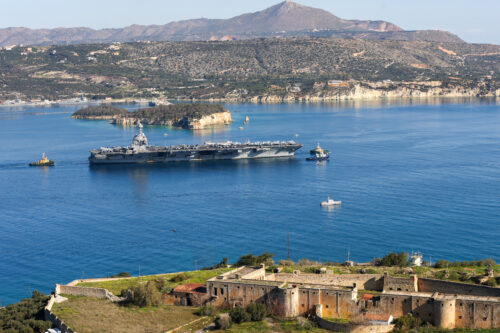
This report explores maritime security conditions in the Mediterranean and the evolving US engagement in the region. As critical infrastructure becomes increasingly vulnerable to sabotage, freedom of navigation is undermined by conflict, and energy disputes generate tension, US policy focus on the region has become fragmented and disengaged. The authors call for a sustained American role to strengthen maritime domain awareness, allied coordination, infrastructure protection, and the capacity to respond when Mediterranean crises affect US and transatlantic interests.
The Multiple Costs of the US–Iran War – From Hormuz to Europe and South Asia: The Widening Economic and Political Geography of the Conflict
Wars are decided by those who hold military power, but their costs are increasingly borne by those who have little or no voice in the decisions that start them. The US–Iran war shows this imbalance very clearly. Its economic consequences have gone far beyond the battlefield and have disrupted energy markets, trade routes, food supplies, public finances and investment in the Gulf, Europe, Africa and Asia. The most striking feature of the conflict, however, is not only the size of the damage but its very unequal distribution.
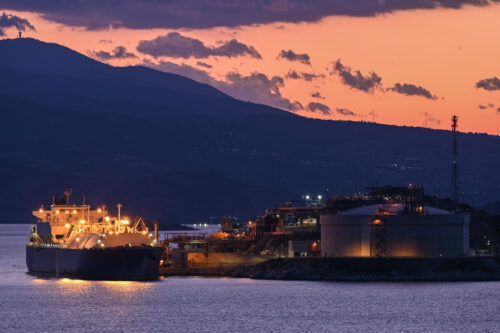
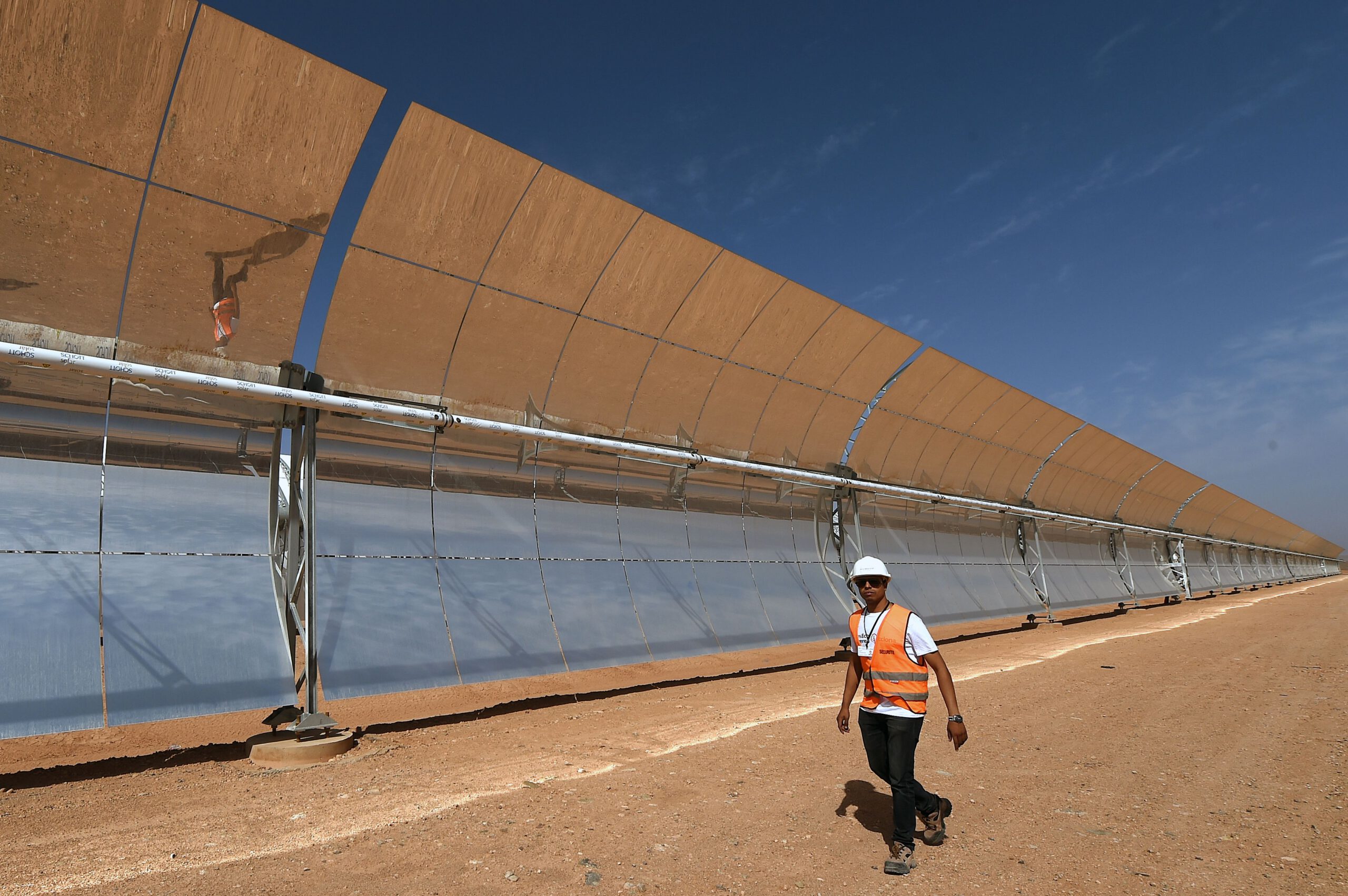
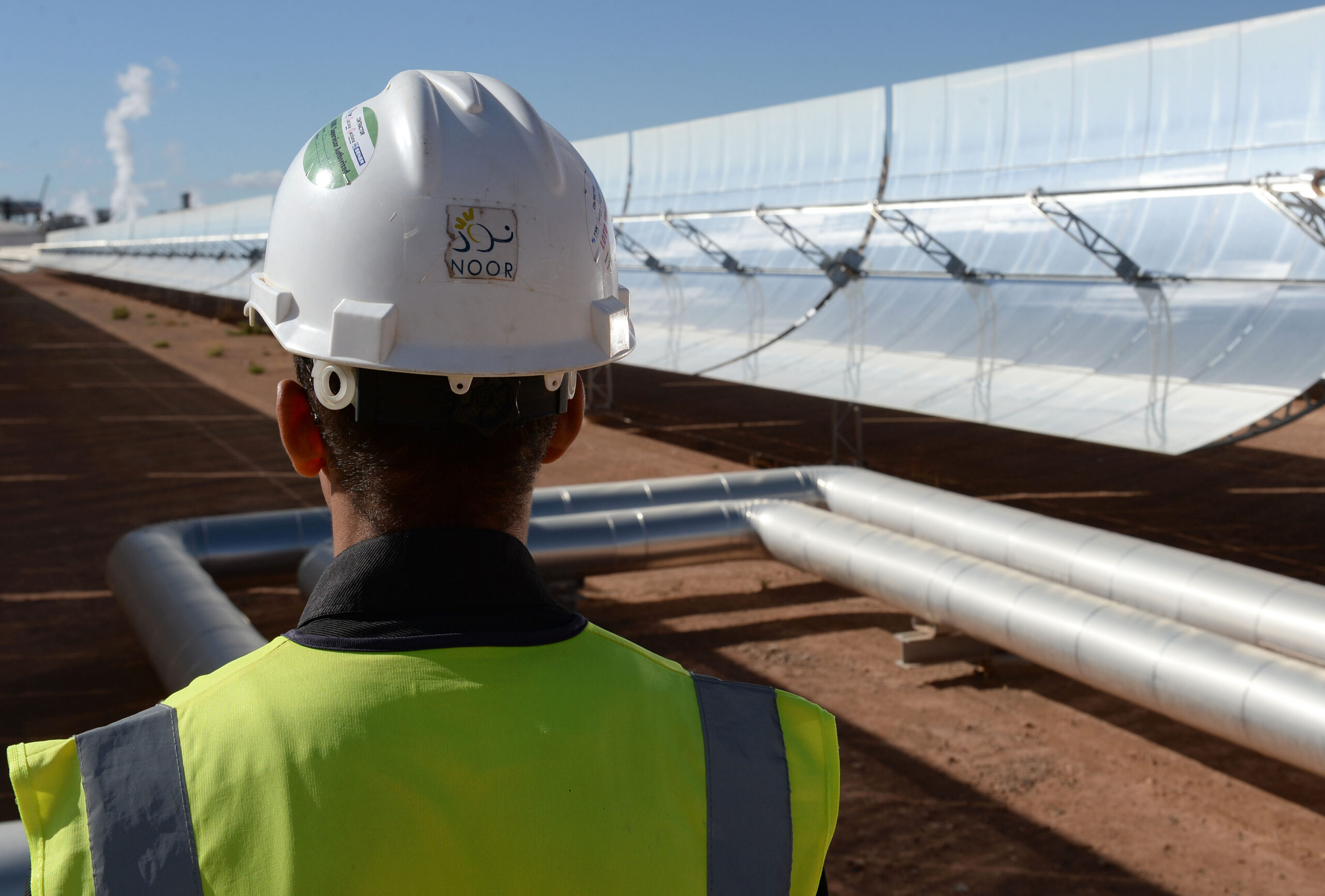
In less than two decades, a string of offshore discoveries has turned the Eastern Mediterranean into a significant gas-producing region, making Israel an exporter, twice lifting Egypt into the ranks of liquefied natural gas (LNG) exporters, and giving Cyprus finds it has yet to bring to market. This backgrounder explores the potential and challenges of exploiting and managing LNG resources in the region.
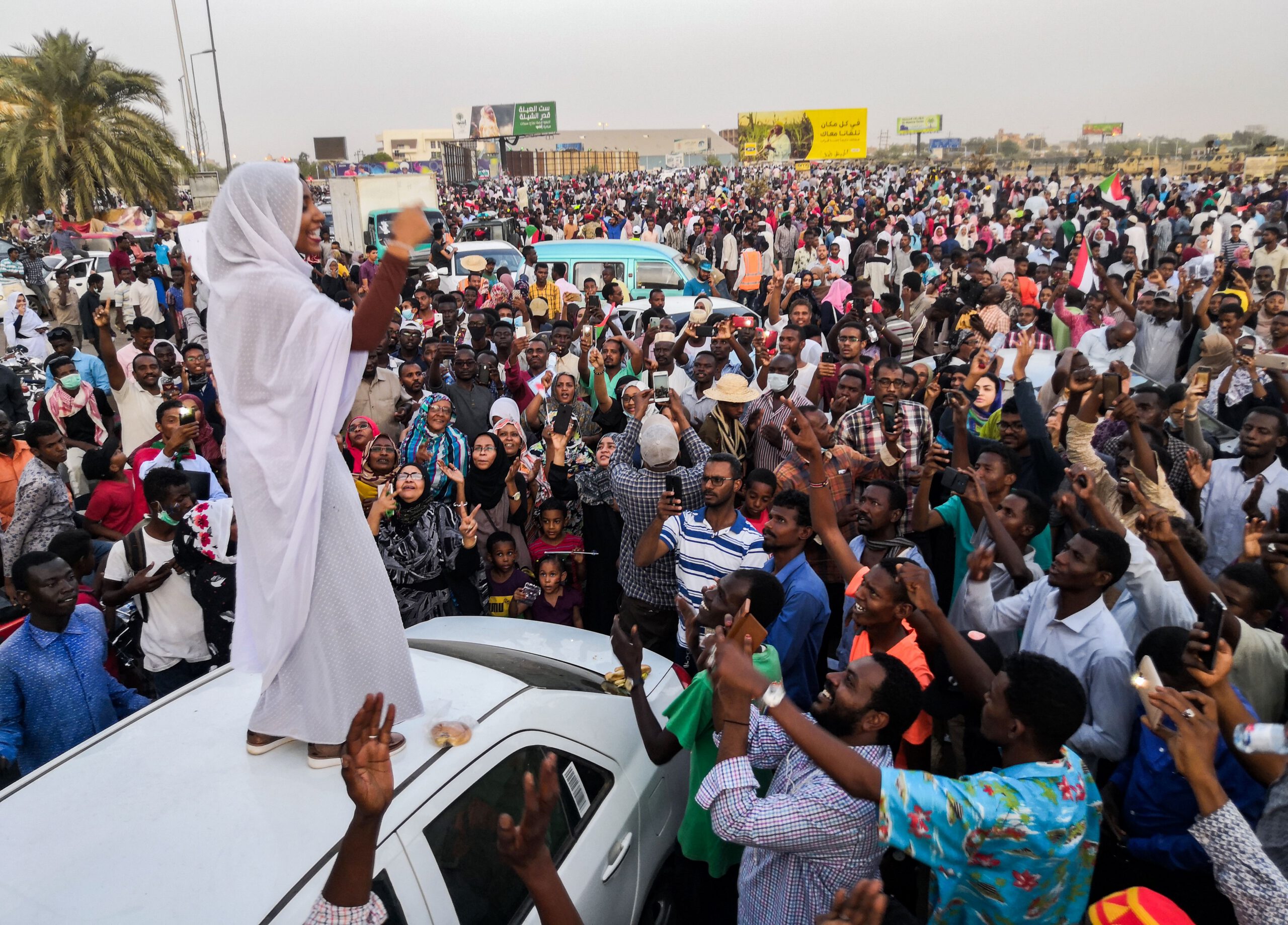
Only African Union Steps Up for Democracy in Sudan
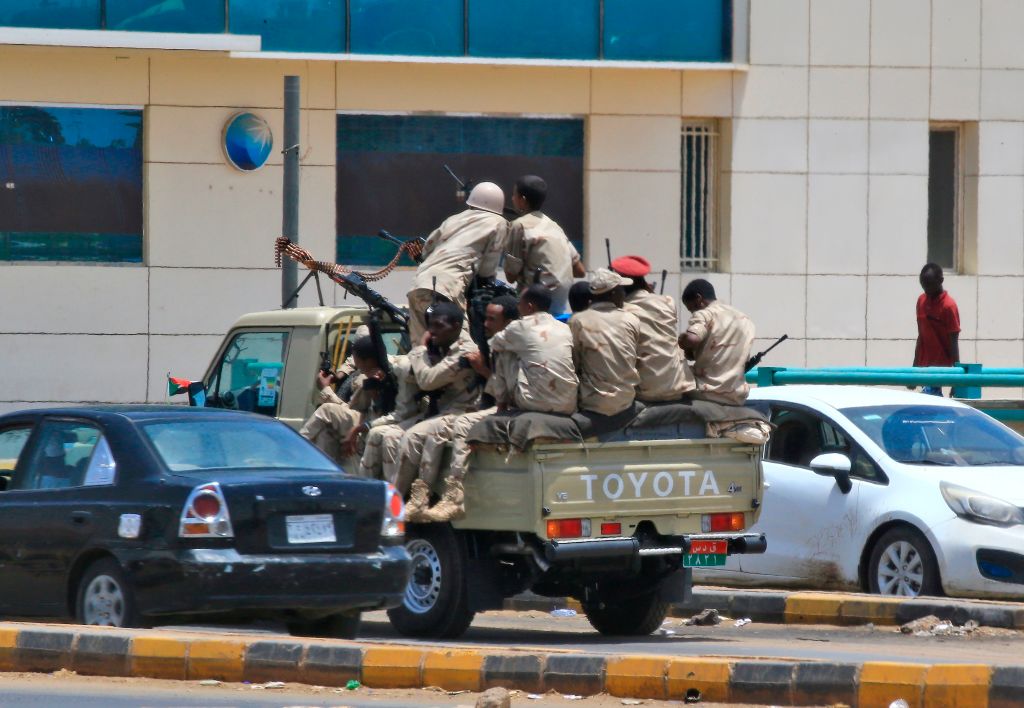
The military council in Sudan turned from talks to terror this week as it broke off negotiations with protestors. This left over a hundred civilians dead and many more injured.
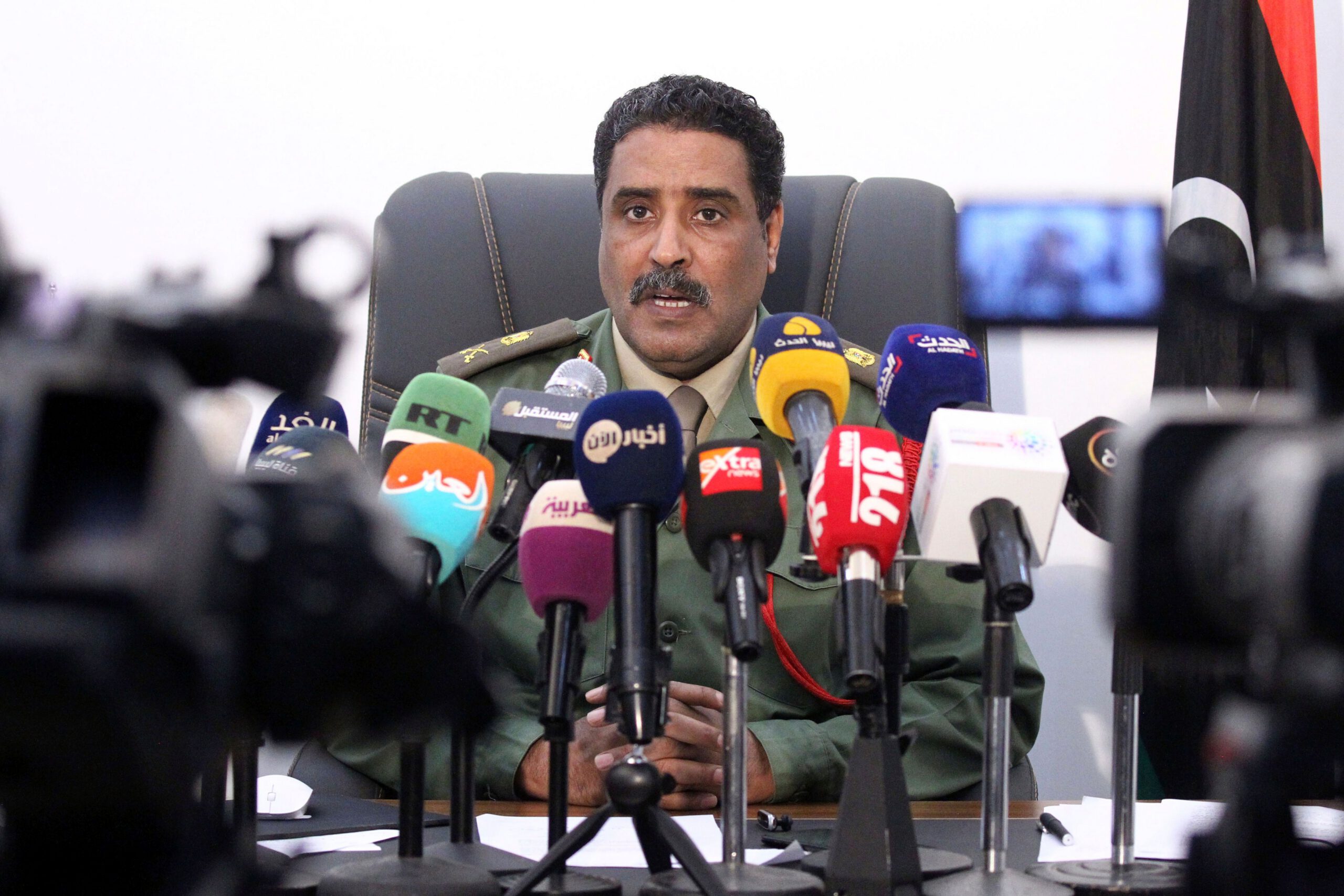
Is ISIS the real winner of Hifter’s Tripoli offensive?
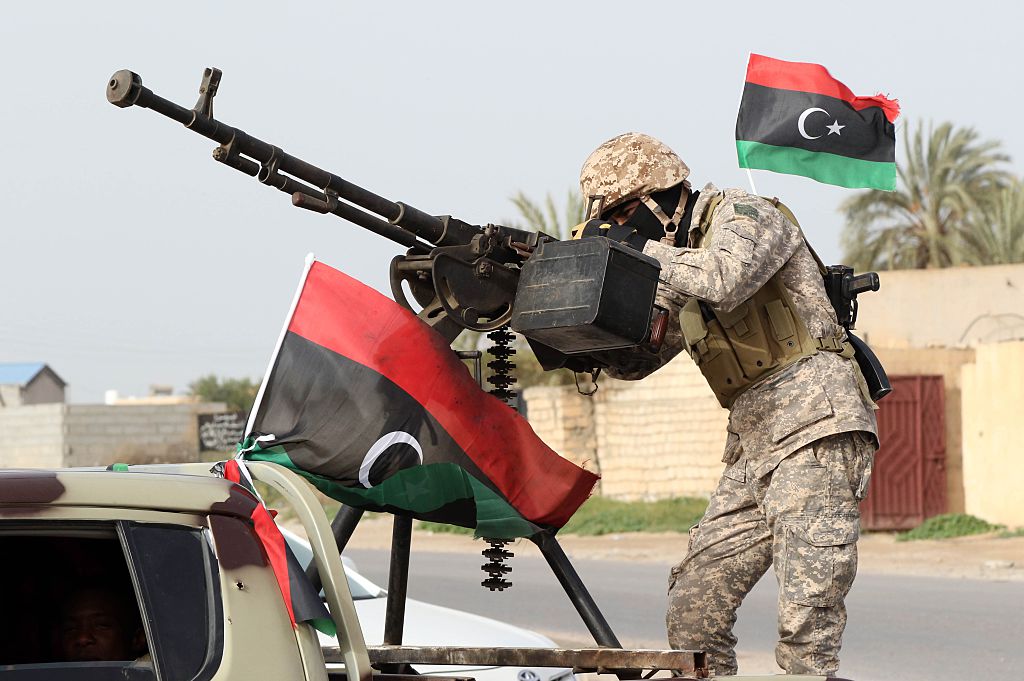
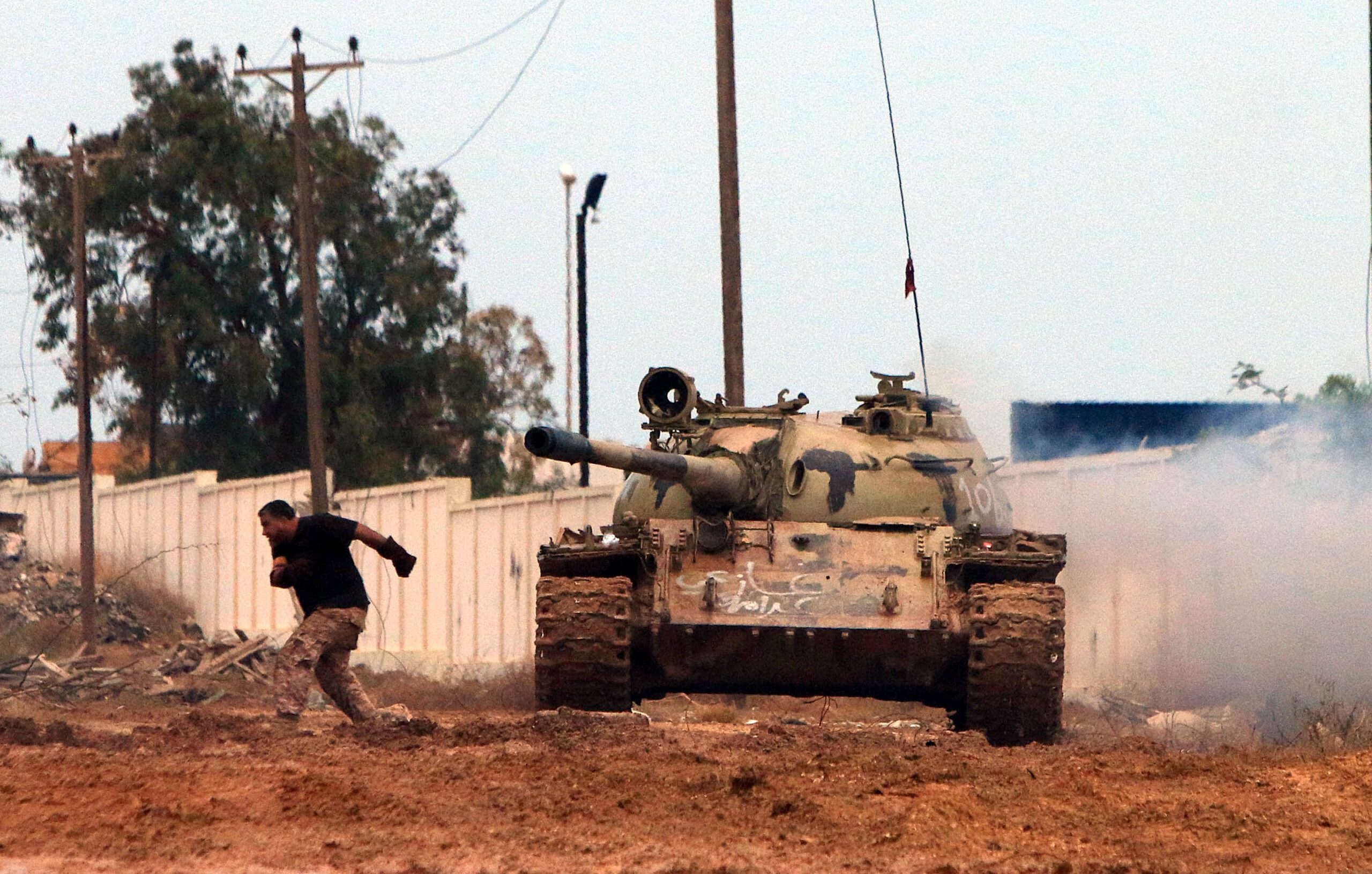
The launch of General Khalifa Hifter’s campaign to retake Tripoli in April has intensified Libya’s political upheaval and created the conditions for a potential resurgence of ISIS. The onset of the Libyan civil war in mid-2014 gave rise to a power vacuum that enabled the group to establish an initial presence in Libya, and while ISIS was eventually driven out at the end of 2016, the current political instability could give it an opportunity to regroup and re-establish itself — with major ramifications for the country and the broader region.
Origins of the Libyan Conflict and Options for Its Resolution
Muammar Gaddafi controlled all power in Libya for 42 years before the 2011 uprising. Since then, Libyans have been unable to rebuild national institutions and restore stability. Despite General Khalifa Hifter’s ongoing attempt in 2019 to conquer Tripoli by military force, Libya’s best chance for progress remains a unified international approach built on near complete alignment among international actors, supporting Libyans convening as a whole to address political, security, and economic issues at the same time.
Monday Briefing: Iraq back in the eye of the storm
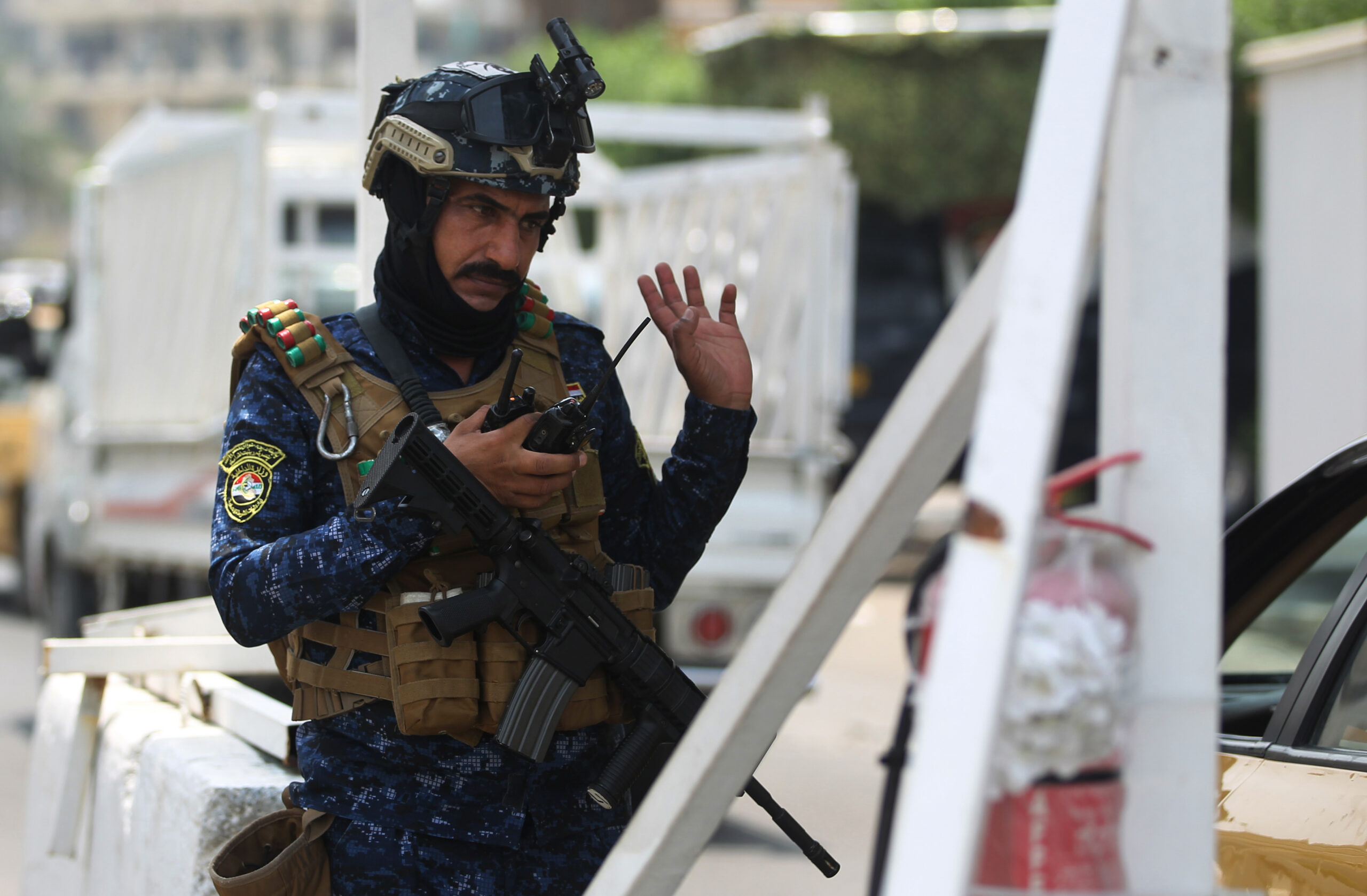
In this week’s Monday Briefing, MEI experts Randa Slim, Gerald Feierstein, Zubair Iqbal, Marvin G. Weinbaum, Mirette F. Mabrouk, Robert S. Ford, and Rauf Mammadov provide analysis on recent and upcoming events including the escalating tensions between the United States and Iran with Iraq caught in between, Jared Kushner’s economic development plan for Palestinians, the IMF’s bailout deal with Pakistan, political turmoil ahead of the Afghan presidential election, developments in the Egyptian media landscape following recent constitutional amendments, debate over how to approach elections in Algeria, and the impact of US-Iran tensions on the oil market.
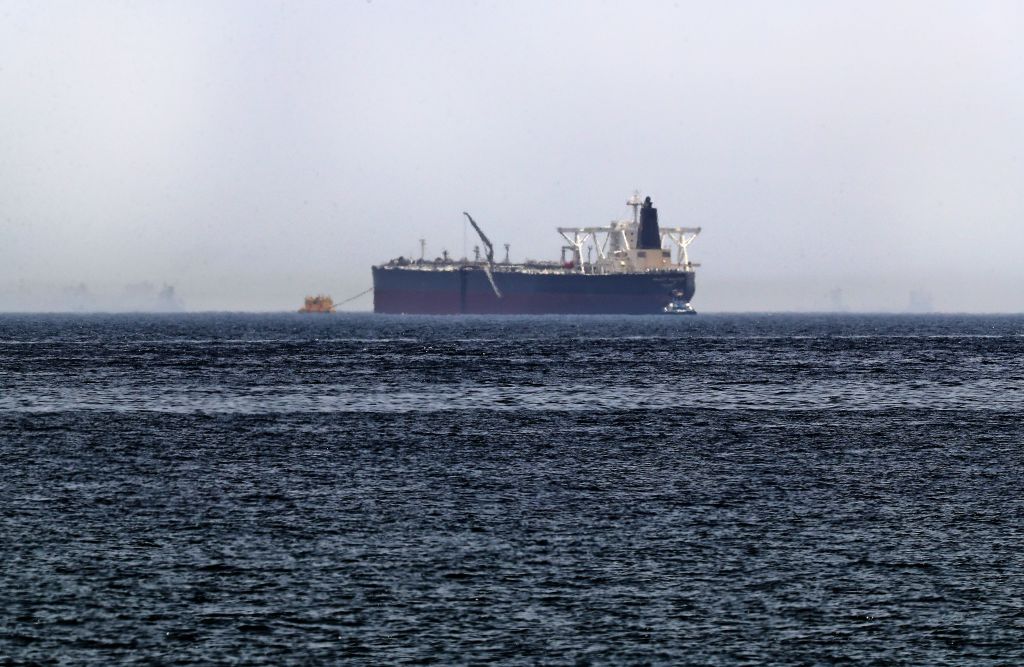
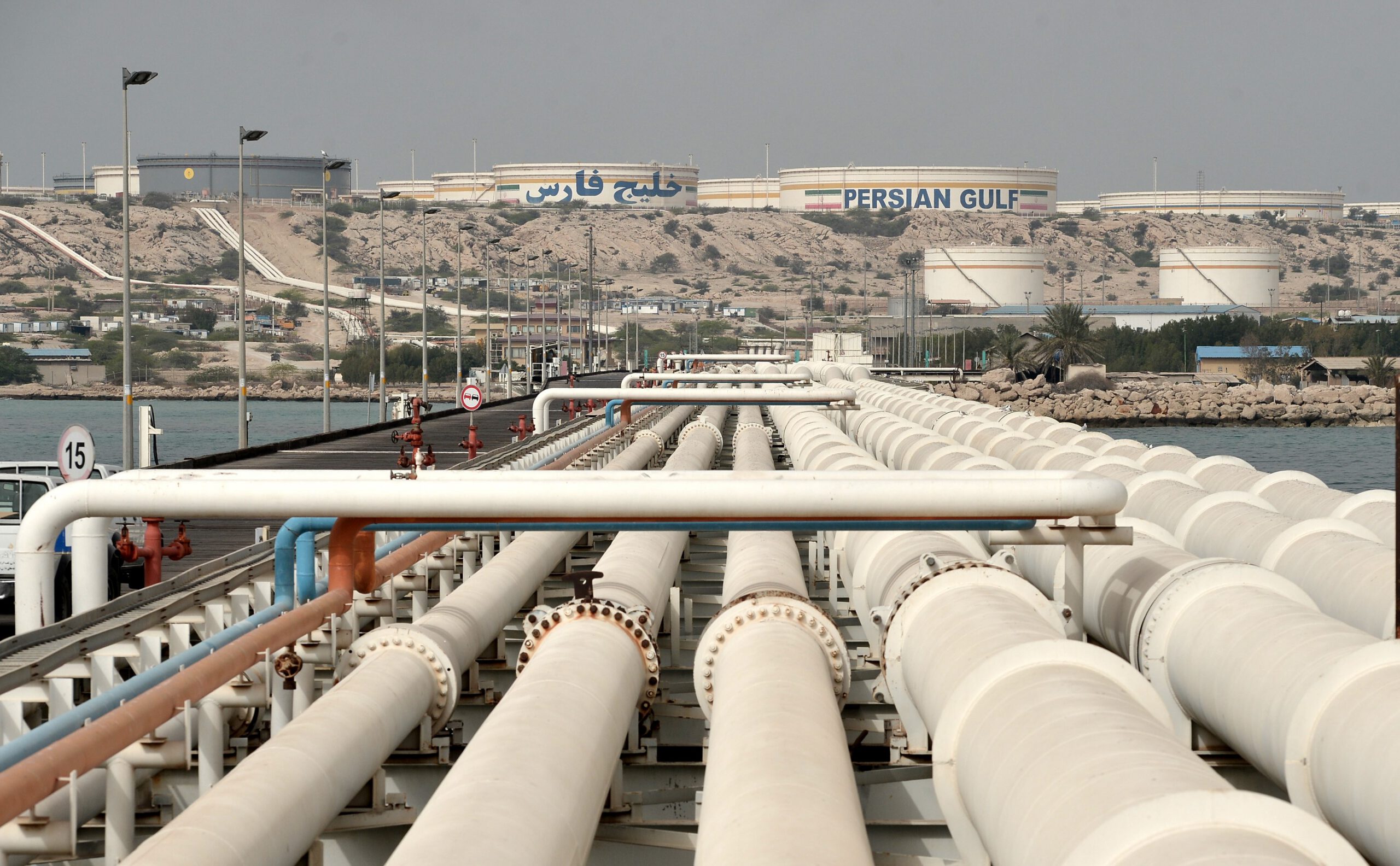
Monday Briefing: Ships sabotaged in the Gulf amid rising tensions with Iran
In this week’s Monday Briefing, MEI experts Alex Vatanka, Robert S. Ford, Jonathan M. Winer, and Gonul Tol provide analysis on recent and upcoming events including the sabotage this weekend of four ships off the coast of the UAE, the recent escalation of fighting in northwestern Syria, efforts to negotiate a ceasefire in Libya, and mounting concerns about Turkey’s economic health.
Much analysis of the geopolitical ramifications of President Omar al-Bashir’s ouster last month has focused on how Sudan fits into the larger struggle between the Middle East’s Sunni powers, but Iran is also part of the equation as well. Saudi and Emirati leaders have a number of objectives in Sudan and preventing the Islamic Republic from re-establishing a foothold in Africa is one of them. Indeed, Riyadh and Abu Dhabi are determined to ensure that Khartoum remains firmly in the anti-Iranian camp, following its realignment between 2014 and early 2016.
With elections set for the fall, Tunisian voters are searching for leaders to emerge who can tackle issues of political fragmentation, long standing economic problems, growing protests, and a volatile regional environment with civil war in Libya on one side and political upheaval in Algeria on the other. Sarah Yerkes, a fellow with the Carnegie Endowment’s Middle East program, and Sharan Grewal, postdoctoral fellow at the Brookings Center for Middle East Policy, join host Alistair Taylor to discuss.
Monday Briefing: Conflict is far from over in Syria
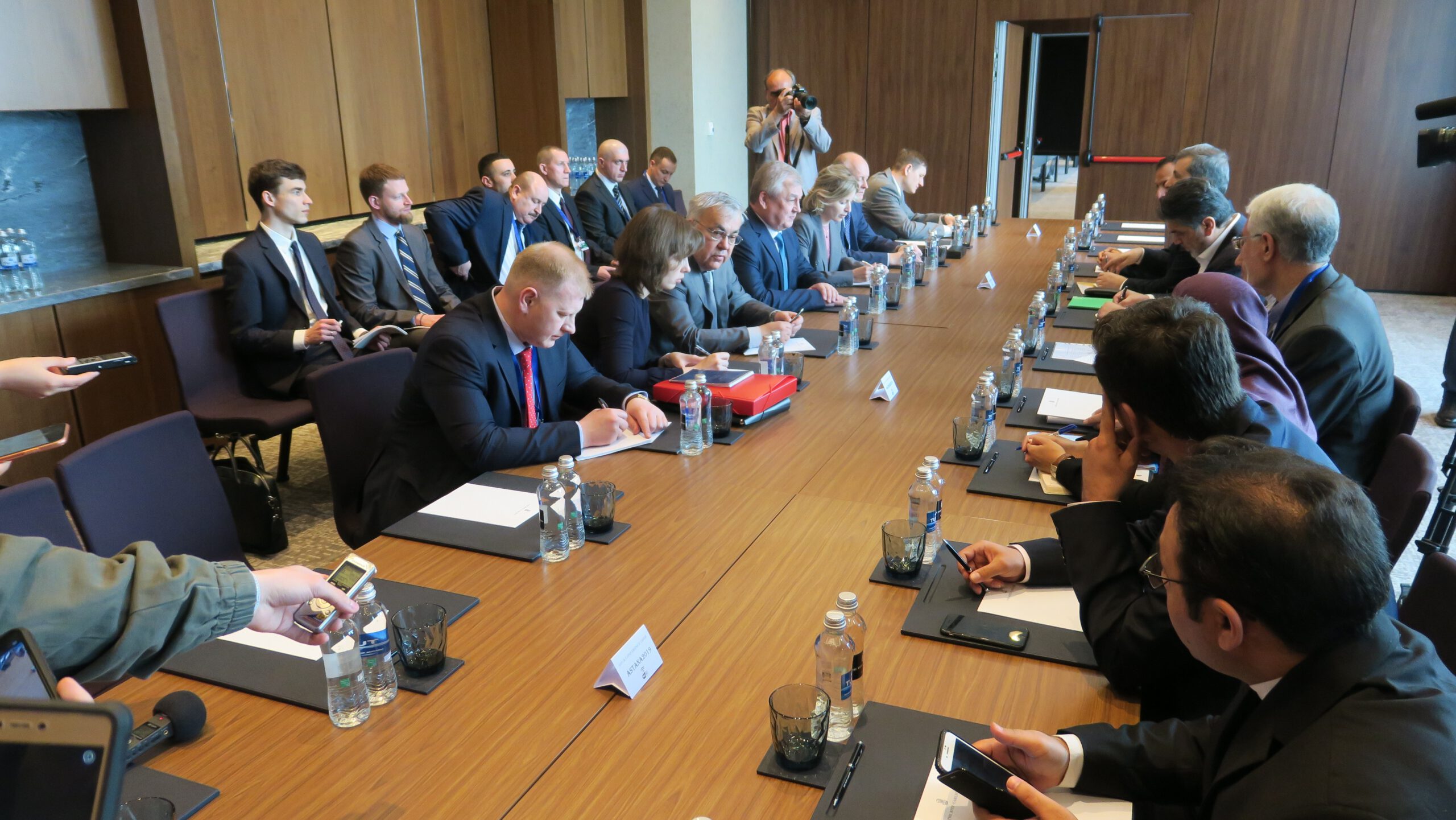
In this week’s Monday Briefing, contributors Charles Lister, Gerald Feierstein, Ruba Husari, Guney Yildiz, Mirette F. Mabrouk, and John Calabrese provide analysis on recent and upcoming events including the failure of the twelfth rounds of Syria peace talks in Astana, negotiations over Yemen’s strategic port of Hodeida, a new report on Iraq’s oil production potential, ongoing US-Turkey talks about a buffer zone in Syria, Egypt’s recently passed constitutional amendments, and Beijing’s second Belt and Road Forum.
Monday Briefing: US and key partners on course for conflict over Iran oil waivers
In this week’s Monday Briefing, MEI experts Gerald Feierstein, Marvin G. Weinbaum, Randa Slim, Emadeddin Badi, and Robert S. Ford provide analysis on recent and upcoming events including the US decision to end Iran oil waivers, the flagging Afghan peace process, Iraq’s evolving regional policy, the status of General Hifter’s offensive in Libya, and Russia’s maneuvering to control the upcoming Syria talks in Astana.
Monday Briefing: New Arab uprisings echo earlier revolts
In this week’s Monday Briefing, MEI experts Paul Salem, Jonathan M. Winer, Robert S. Ford, Mirette F. Mabrouk, and Charles Schmitz provide analysis on recent and upcoming events including the current uprisings in Algeria and Sudan, General Hifter’s effort to take Tripoli, the hirak protest movement in Algeria, the strategic partnership between Egypt and the U.S., and cracks in the coalition of President Hadi in Yemen.
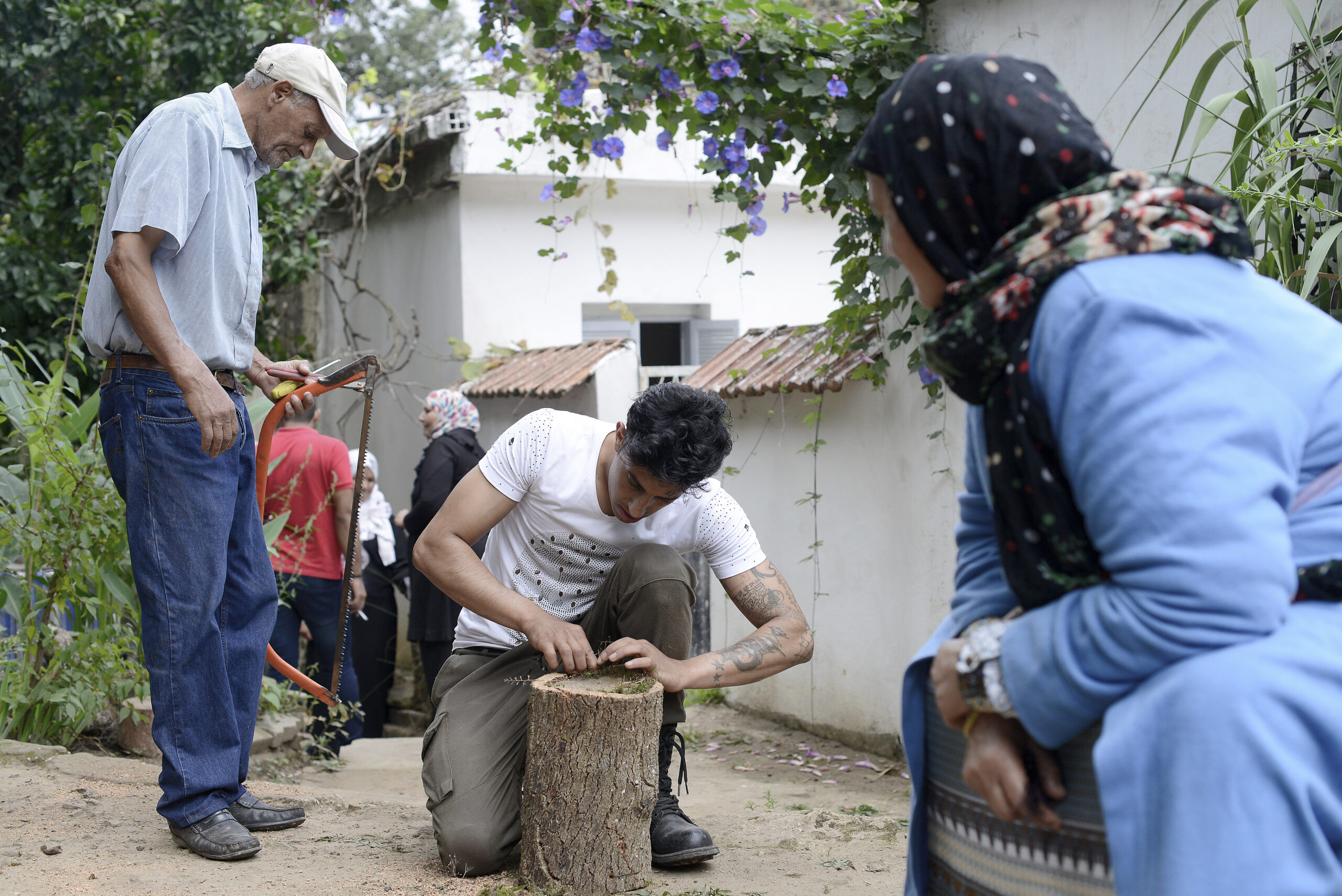
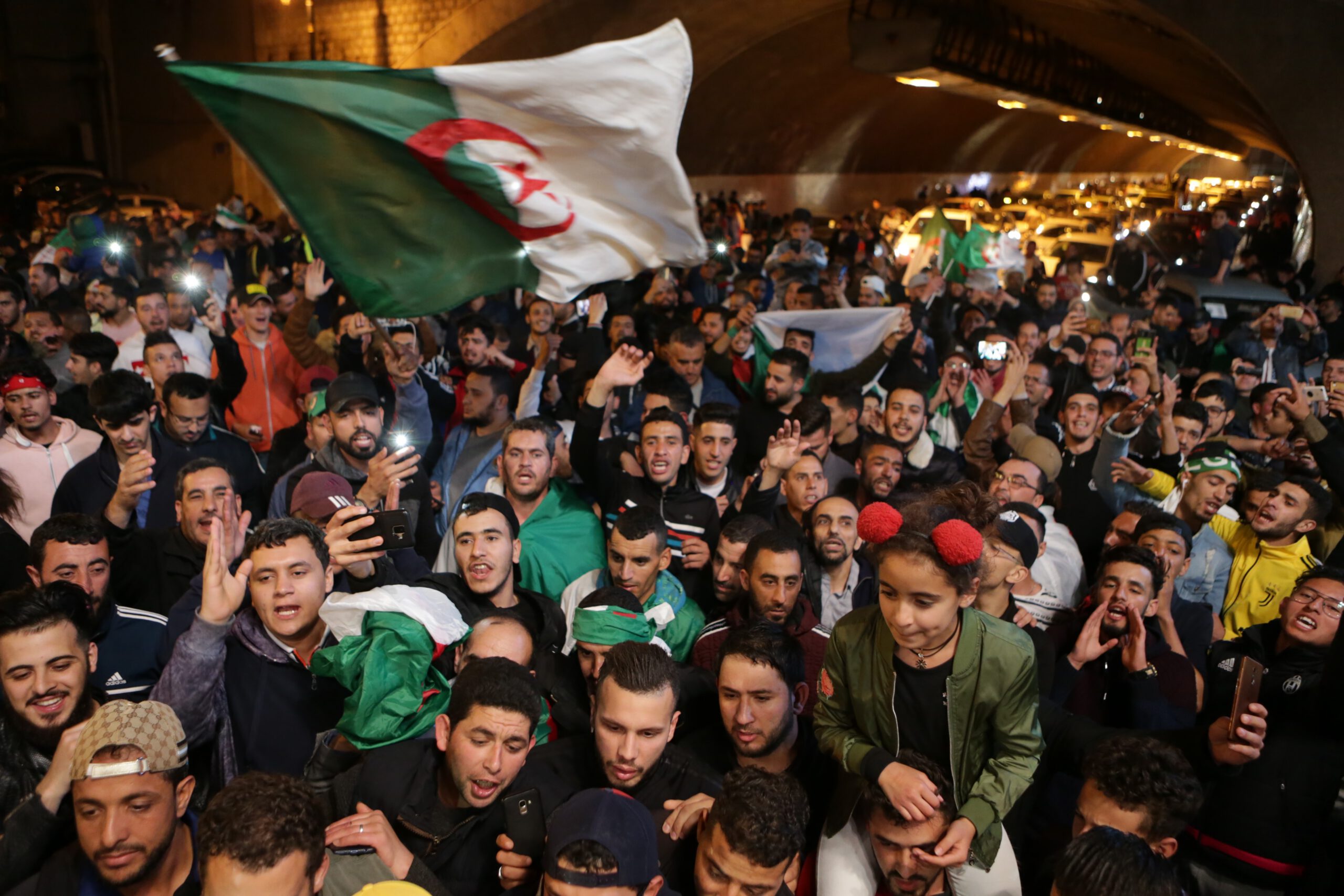
Following the resignation of 82-year-old President Abdelaziz Bouteflika in early April after weeks of mass demonstrations, the dispute between Algerian protesters and the country’s entrenched power structure has entered a new phase. The protest movement has viewed Bouteflika’s peaceful removal as an initial victory in the longer struggle to overhaul Algeria’s political edifice. But any attempt to fundamentally change the governance system and introduce a new relationship between rulers and ruled is likely to quickly come up against the will of established power-brokers, especially the military, and the ongoing dispute has the potential to escalate into violence.
The fluid and chaotic situation in Libya is confusing and predicting how the ongoing violence in Tripoli will play out and impact the broader trajectory of the civil war is difficult. Nonetheless, Hifter’s campaign appears to be connected to several international and regional developments, the alignment of which seems to have prompted him to determine that this was an opportune time to move forward, dealing a harsh blow to the UN-led peace process.
The oldest peer-reviewed publication dedicated to the study of the modern Middle East, MEI’s flagship journal covers politics, society, and culture in the region.