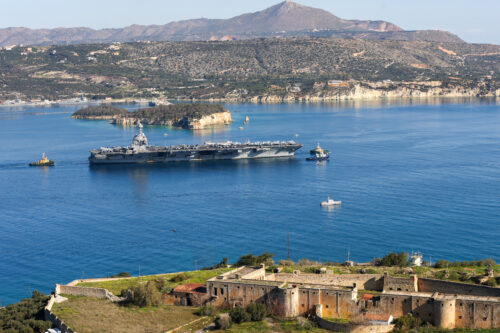
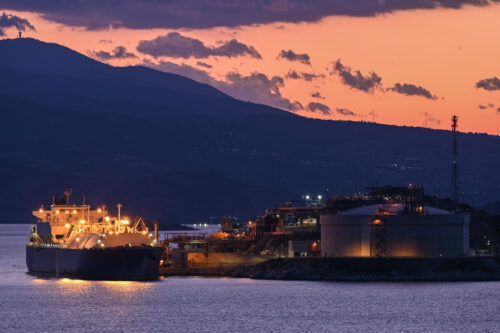
This report explores maritime security conditions in the Mediterranean and the evolving US engagement in the region. As critical infrastructure becomes increasingly vulnerable to sabotage, freedom of navigation is undermined by conflict, and energy disputes generate tension, US policy focus on the region has become fragmented and disengaged. The authors call for a sustained American role to strengthen maritime domain awareness, allied coordination, infrastructure protection, and the capacity to respond when Mediterranean crises affect US and transatlantic interests.
The Multiple Costs of the US–Iran War – From Hormuz to Europe and South Asia: The Widening Economic and Political Geography of the Conflict
Wars are decided by those who hold military power, but their costs are increasingly borne by those who have little or no voice in the decisions that start them. The US–Iran war shows this imbalance very clearly. Its economic consequences have gone far beyond the battlefield and have disrupted energy markets, trade routes, food supplies, public finances and investment in the Gulf, Europe, Africa and Asia. The most striking feature of the conflict, however, is not only the size of the damage but its very unequal distribution.
In less than two decades, a string of offshore discoveries has turned the Eastern Mediterranean into a significant gas-producing region, making Israel an exporter, twice lifting Egypt into the ranks of liquefied natural gas (LNG) exporters, and giving Cyprus finds it has yet to bring to market. This backgrounder explores the potential and challenges of exploiting and managing LNG resources in the region.
According to the UN’s World Urbanization Prospects 2014, there are 28 “megacities” worldwide (i.e., urban agglomerations with populations in excess of 10 million). By 2030 another dozen will likely be added to their ranks.
Autonomy Can Resolve 40-Year Western Sahara Conflict
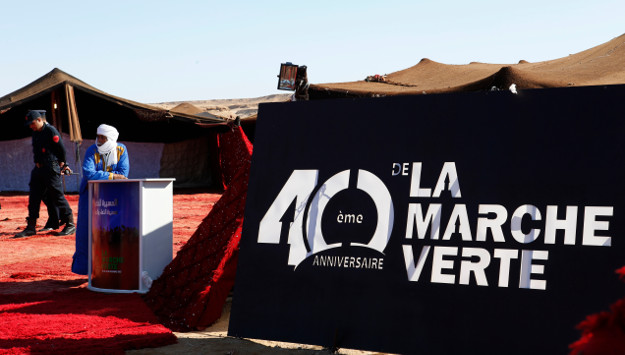
2015 marks the anniversary of the Green March, the spectacular initiative 40 years ago that began the decolonization of the Spanish Sahara. Since then, although Moroccan administration of the territory was recognized by the United Nations and populations in the region have voted regularly in Moroccan elections (including this year), final status has not been given international recognition. It is necessary that this chapter of decolonization be officially closed.
The following represents findings from an MEI delegation trip to Egypt that took place between October 5 and 9. The delegation met with government, civil society, youth and business leaders, and heard a variety of views on the country’s challenges. What follows is a presentation of the views we heard, not an MEI assessment.
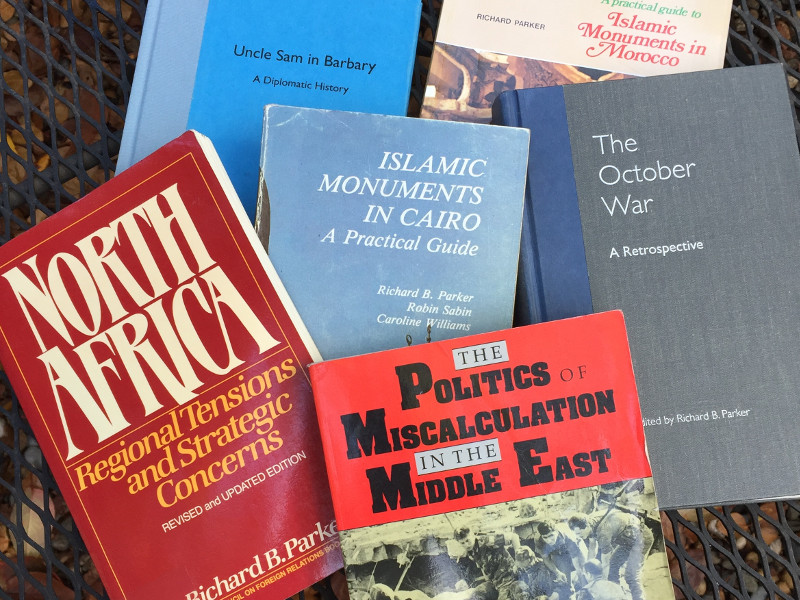
Only a few authors have works that can be found on both floors of the Oman Library at The Middle East Institute, and fewer still that have a personal connection to both the institute and the history of the region. The late Ambassador Richard B. Parker can claim this status, having served 31 years in the Foreign Service and as the third editor of The Middle East Journal. He was also a longtime MEI scholar-in-residence.
Dateline Egypt: Roadmaps, Refinancing, and Regional Roles
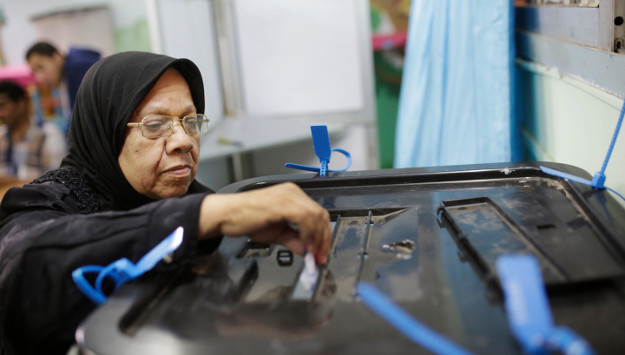
In the past ten days Egypt held a first round of parliamentary elections, announced renewed loan talks with the IMF, experienced new clashes with militants in the Sinai, and joined multinational talks to end the war in Syria. These headlines provide current glimpses into the country’s complex and challenging political, economic and security trajectories.
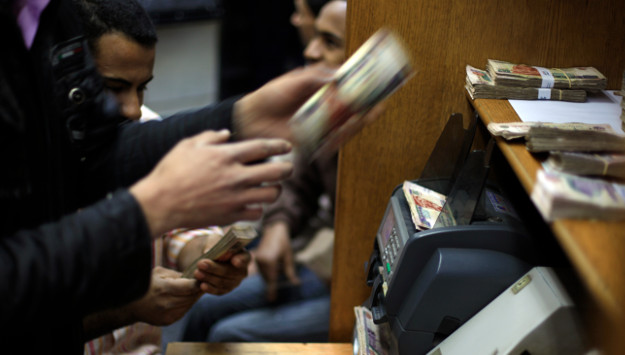
Since the 1990s, the need for streamlined procedures to facilitate business, trade and investment has grown to crisis proportions in Egypt. But the political will to deliver administrative reform was always lacking, not least because it would involve lay-offs and wage reductions; in other words, direct threats to the livelihoods of some seven million state employees and consequently the regime’s popularity. But with the government wage bill estimated to reach USD30 billion next year, Egypt has finally taken action.
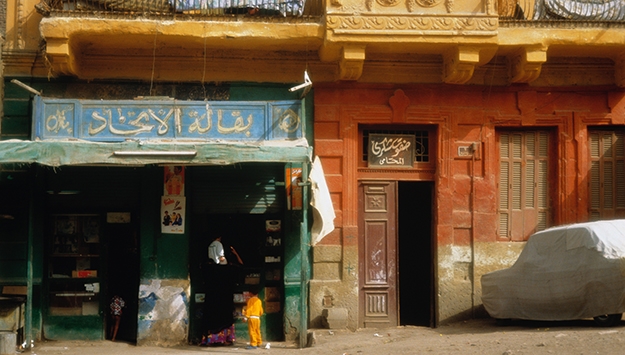
In mid-June, just before Ramadan, the pre-dawn calm of downtown Cairo was shattered by the sound of heavy machinery. The municipality had decided to repair the battered sidewalks, a fairly regular occurrence since shoddy concrete tiles are typically used for the job. Truckloads of sand were deposited at intervals along the main boulevards to be spread as a bed for the new tiles, while much of the rubble from the old ones was left piled by the curbs. To avoid the rough new terrain pedestrians took to the streets with the cars.
The Exploitation of Moral Controversies and the Marginalization of Morocco’s Justice and Charity Association
When a moral controversy arises in Morocco, the two main actors of the official political stage carefully play their specific role. On one side, the Party of Justice and Development (PJD), the party that leads the Moroccan government and as such is accountable to the electorate, reliably endorses the Moroccan majority’s socially conservative attitudes in order to fulfill its electoral mandate. On the other side, the king fully exploits his wider room for maneuver by adopting, according to circumstances, either a progressive stance or a conservative one. While the rhythm of moral controversies sets the tempo of the official political game and shows that Moroccan society is still very much conservative, the largest Islamist opposition group, the Justice and Charity Association, seeks to escape its marginalization within the civil society sphere.
Italian energy company Eni announced on August 30 that it had discovered a deep-water gas field 93 miles north of Egypt’s Mediterranean coast.[1] The field, named Zohr, holds an estimated 30 trillion cubic feet (cft)[2] of natural gas (NG) reserves, potentially making it the twentieth largest in the world and the largest in the Mediterranean.
Women’s Rights Organizations and Democratic Transitions: North Africa and Southeast Asia Compared
This paper spotlights women’s rights organizations as key players in civil society in Tunisia and Morocco, with a comparative glance at the Philippines and South Korea, two Asian participants in democracy’s third wave. Applying the existing literature on women, gender, and democratic transitions, we draw attention to the role of women’s rights organizations in civil society and as agents of democratization; examine the organizations’ role and influence during protests and transitions; and analyze the gendered outcomes in terms of laws and policies affecting women’s rights.
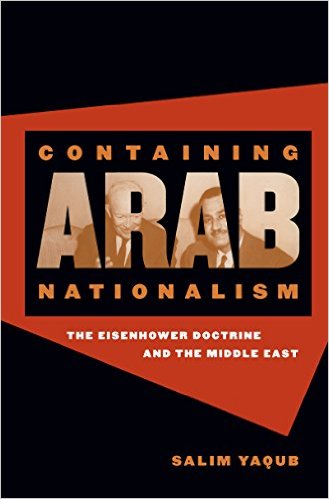
Collection Spotlight: Containing Arab nationalism: the Eisenhower doctrine and the Middle East
Under the threat of an increasingly influential Communist Soviet Union, in the mid-twentieth century the United States became more and more involved in Middle Eastern affairs. Struggling to reconcile its goals of containment, access to oil, and Israeli security, the U.S. government implemented a historic doctrine that pledged increased economic and military aid to the region in exchange for political allegiance.
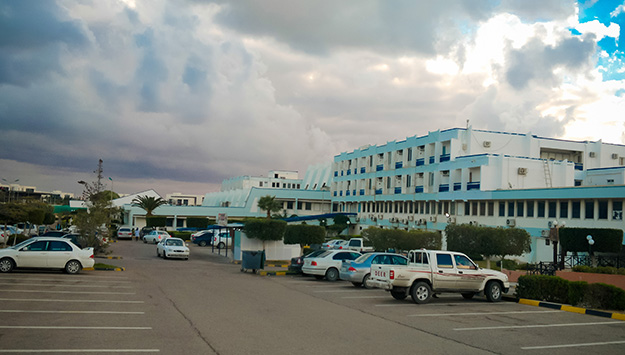
MEI spoke with Reida El Oakley, Libya’s minister of health, about the state of health care in the country and how Libya could receive the funding it desperately needs.
The oldest peer-reviewed publication dedicated to the study of the modern Middle East, MEI’s flagship journal covers politics, society, and culture in the region.