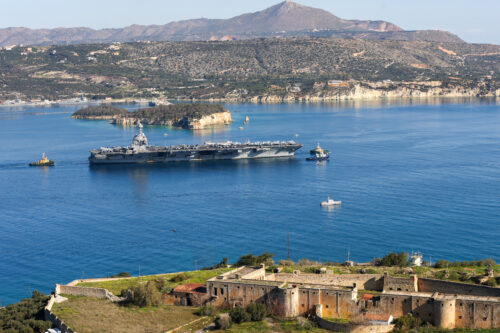
This report explores maritime security conditions in the Mediterranean and the evolving US engagement in the region. As critical infrastructure becomes increasingly vulnerable to sabotage, freedom of navigation is undermined by conflict, and energy disputes generate tension, US policy focus on the region has become fragmented and disengaged. The authors call for a sustained American role to strengthen maritime domain awareness, allied coordination, infrastructure protection, and the capacity to respond when Mediterranean crises affect US and transatlantic interests.
The Multiple Costs of the US–Iran War – From Hormuz to Europe and South Asia: The Widening Economic and Political Geography of the Conflict
Wars are decided by those who hold military power, but their costs are increasingly borne by those who have little or no voice in the decisions that start them. The US–Iran war shows this imbalance very clearly. Its economic consequences have gone far beyond the battlefield and have disrupted energy markets, trade routes, food supplies, public finances and investment in the Gulf, Europe, Africa and Asia. The most striking feature of the conflict, however, is not only the size of the damage but its very unequal distribution.
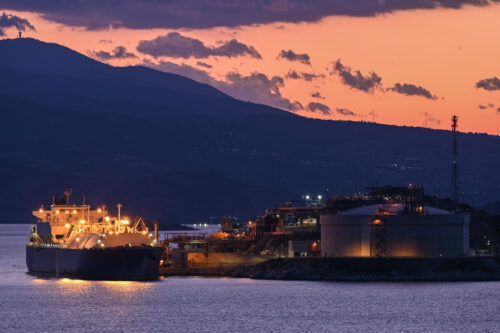
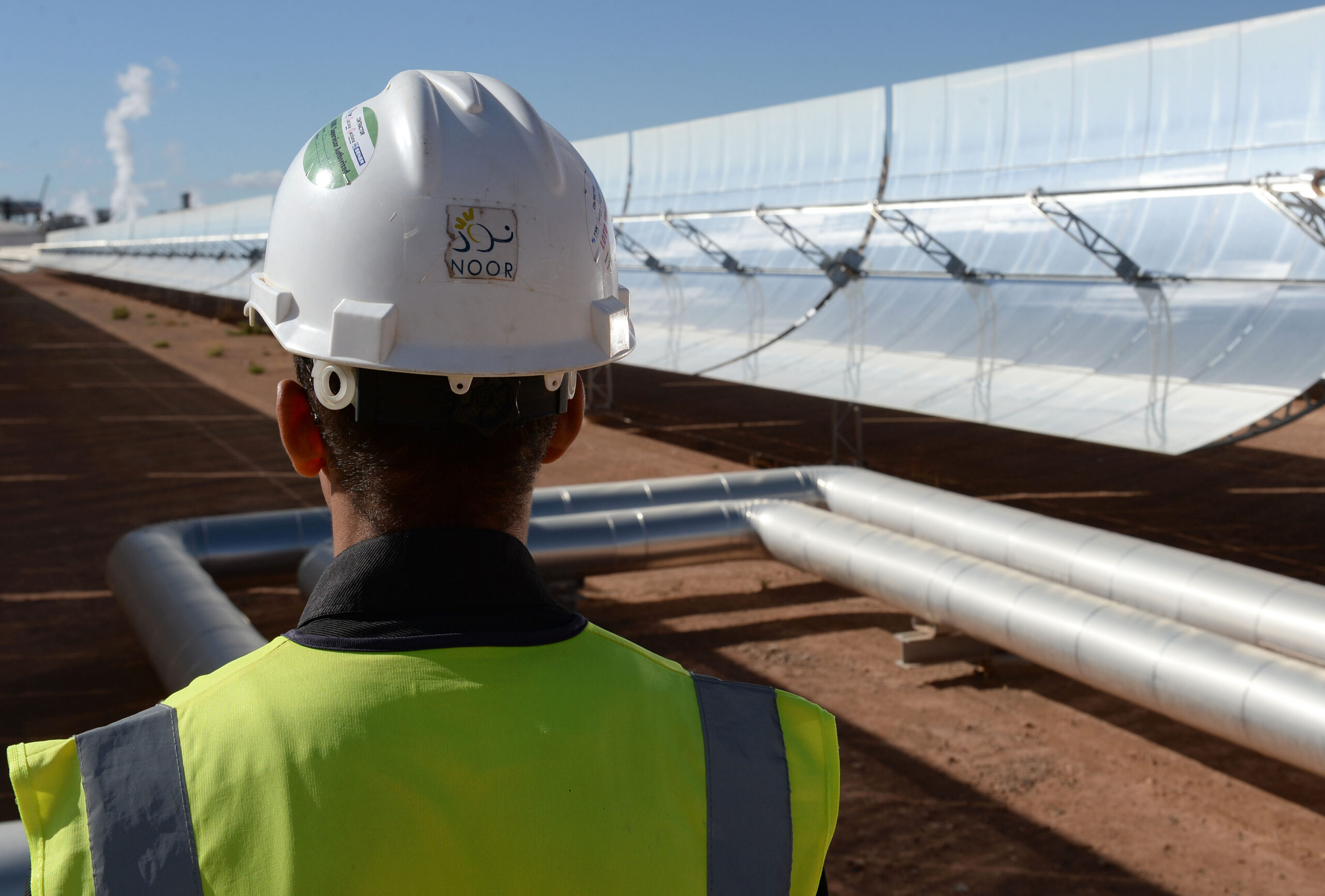
In less than two decades, a string of offshore discoveries has turned the Eastern Mediterranean into a significant gas-producing region, making Israel an exporter, twice lifting Egypt into the ranks of liquefied natural gas (LNG) exporters, and giving Cyprus finds it has yet to bring to market. This backgrounder explores the potential and challenges of exploiting and managing LNG resources in the region.
Panel I: Forging A Viable Political PathModerator: David Rothkopf, Foreign PolicyKhalil al Anani, Middle East Institute Graeme Bannerman, Middle East instituteKarim Haggag, National Defense UniversityTarek Masoud, Harvard University’s John F. Kennedy School of Government
Panel I: Forging A Viable Political PathModerator: David Rothkopf, Foreign PolicyKhalil al Anani, Middle East Institute Graeme Bannerman, Middle East instituteKarim Haggag, National Defense UniversityTarek Masoud, Harvard University’s John F. Kennedy School of Government
Panel I: Forging A Viable Political PathModerator: David Rothkopf, Foreign PolicyKhalil al Anani, Middle East Institute Graeme Bannerman, Middle East instituteKarim Haggag, National Defense UniversityTarek Masoud, Harvard University’s John F. Kennedy School of Government
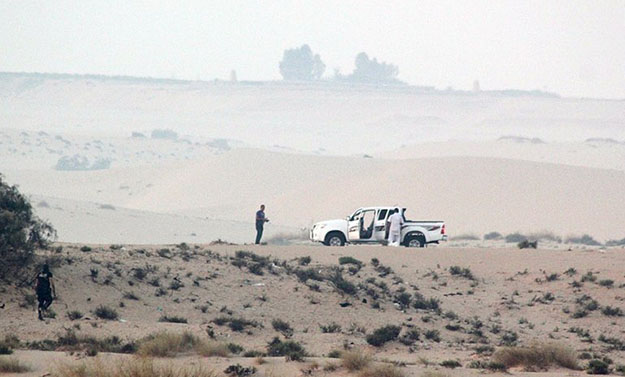
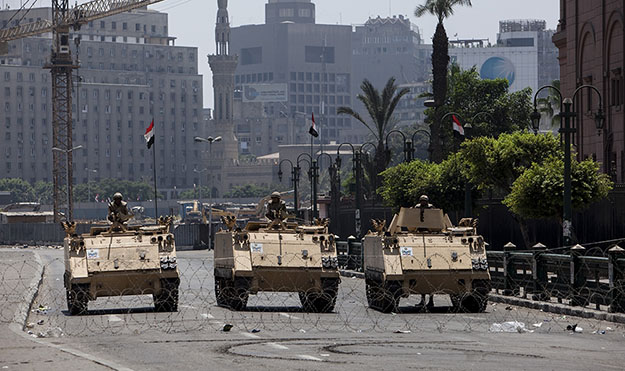
Much of the analysis on the causes for the military’s ouster of Mohamed Morsi focuses on the Muslim Brotherhood’s performance, or lack thereof, in domestic affairs. Glaringly absent, however, is an examination of the preeminence of Sinai in the military’s decision to intervene in otherwise civilian political disputes between the burgeoning liberal parties and the veteran Muslim Brotherhood and its Islamist allies.
The Lessons of Benghazi: One Year Later, Never More Urgent
The situation in Libya one year after the attack on the U.S. Special Mission in Benghazi on September 11, 2012 is chaotic, dysfunctional and disheartening. It remains not as abjectly horrible as it could be—the General National Congress did this summer finally approve a framework (however imperfect) for electing a constitutional assembly, and UN-backed efforts are under way to create an unofficial dialogue of national reconciliation—but these advances paper over ever-deeper failings, many of which were not inevitable.
Egyptians call their desert country “the protected” (al-mahrousa) in homage to its longevity and the idiosyncratic features that have consistently saved it from destitution: a geostrategic location, Nile-fed farmland, and a stunning array of in situ antiquities. While much has remained unchanged in Egypt since the 2011 uprising, including the authoritarian nature of its government, alarming quantities of the country’s precious agricultural and archeological land have been vanishing to make way for cheaply-built homes of low-income citizens.
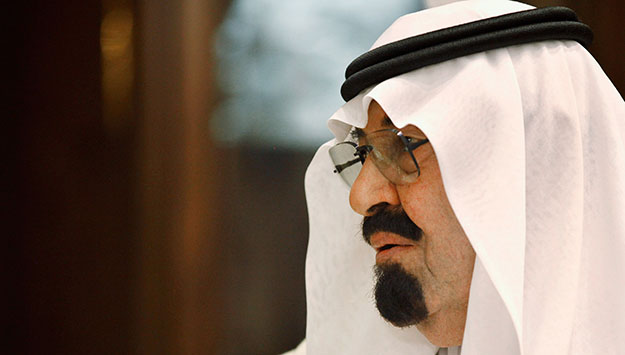
When King Abdullah of Saudi Arabia and his foreign minister, Prince Saud al-Faisal, issued unequivocal pledges of support for Egypt’s military government and its crackdown on the Muslim Brotherhood, their move was widely depicted in the news media as a logical extension of the kingdom’s opposition to revolutionary movements in the Arab world. This simplistic view overlooks the fact that Saudi Arabia has responded differently to different uprisings—it supports the rebels in Syria, helped to crush them in Bahrain—and that aligning itself with Egypt’s new rulers could be a risky strategy.
The oldest peer-reviewed publication dedicated to the study of the modern Middle East, MEI’s flagship journal covers politics, society, and culture in the region.