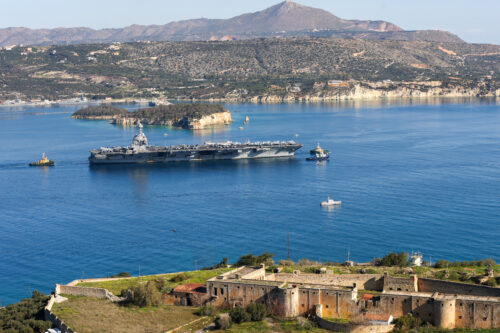
This report explores maritime security conditions in the Mediterranean and the evolving US engagement in the region. As critical infrastructure becomes increasingly vulnerable to sabotage, freedom of navigation is undermined by conflict, and energy disputes generate tension, US policy focus on the region has become fragmented and disengaged. The authors call for a sustained American role to strengthen maritime domain awareness, allied coordination, infrastructure protection, and the capacity to respond when Mediterranean crises affect US and transatlantic interests.
The Multiple Costs of the US–Iran War – From Hormuz to Europe and South Asia: The Widening Economic and Political Geography of the Conflict
Wars are decided by those who hold military power, but their costs are increasingly borne by those who have little or no voice in the decisions that start them. The US–Iran war shows this imbalance very clearly. Its economic consequences have gone far beyond the battlefield and have disrupted energy markets, trade routes, food supplies, public finances and investment in the Gulf, Europe, Africa and Asia. The most striking feature of the conflict, however, is not only the size of the damage but its very unequal distribution.
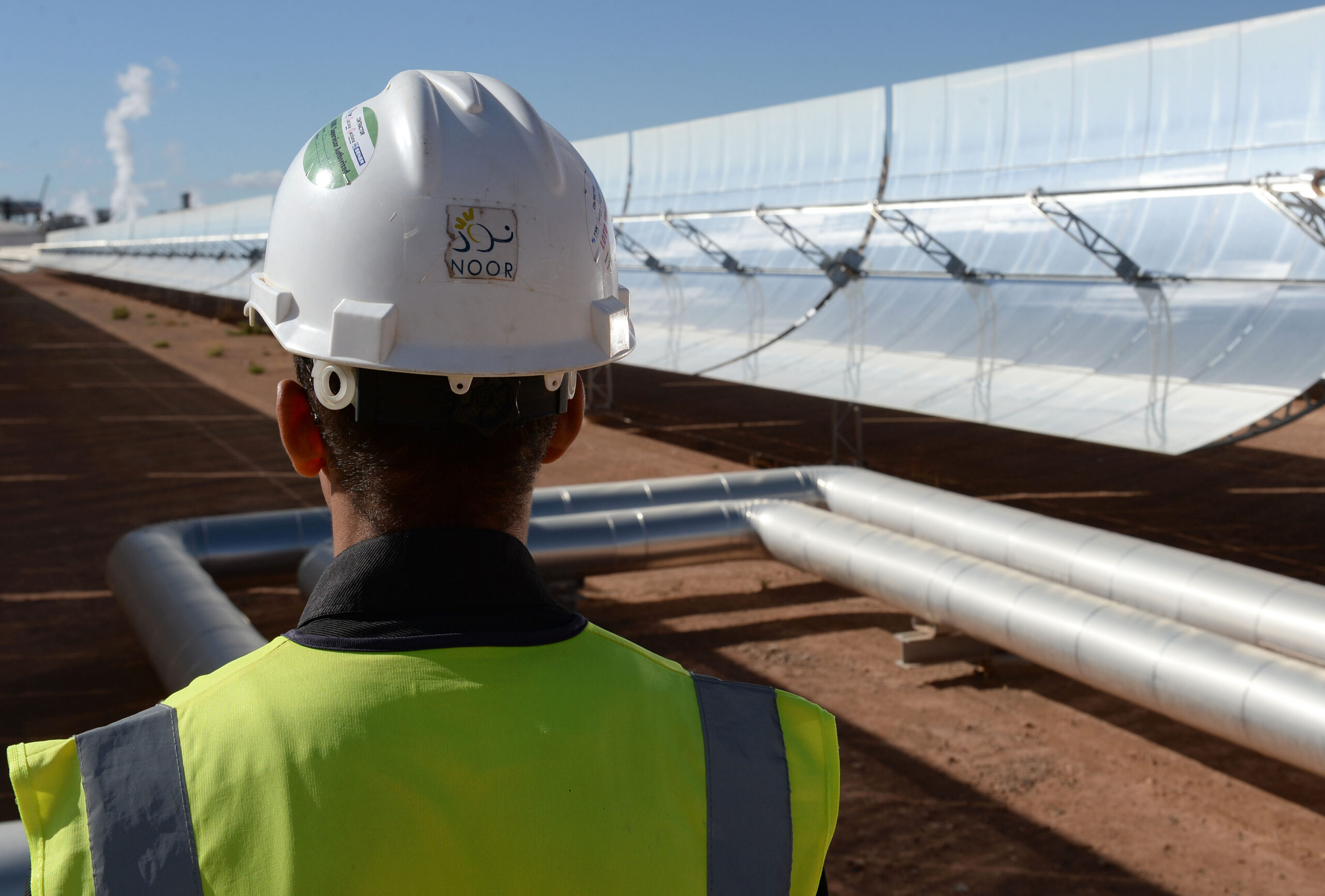
In less than two decades, a string of offshore discoveries has turned the Eastern Mediterranean into a significant gas-producing region, making Israel an exporter, twice lifting Egypt into the ranks of liquefied natural gas (LNG) exporters, and giving Cyprus finds it has yet to bring to market. This backgrounder explores the potential and challenges of exploiting and managing LNG resources in the region.
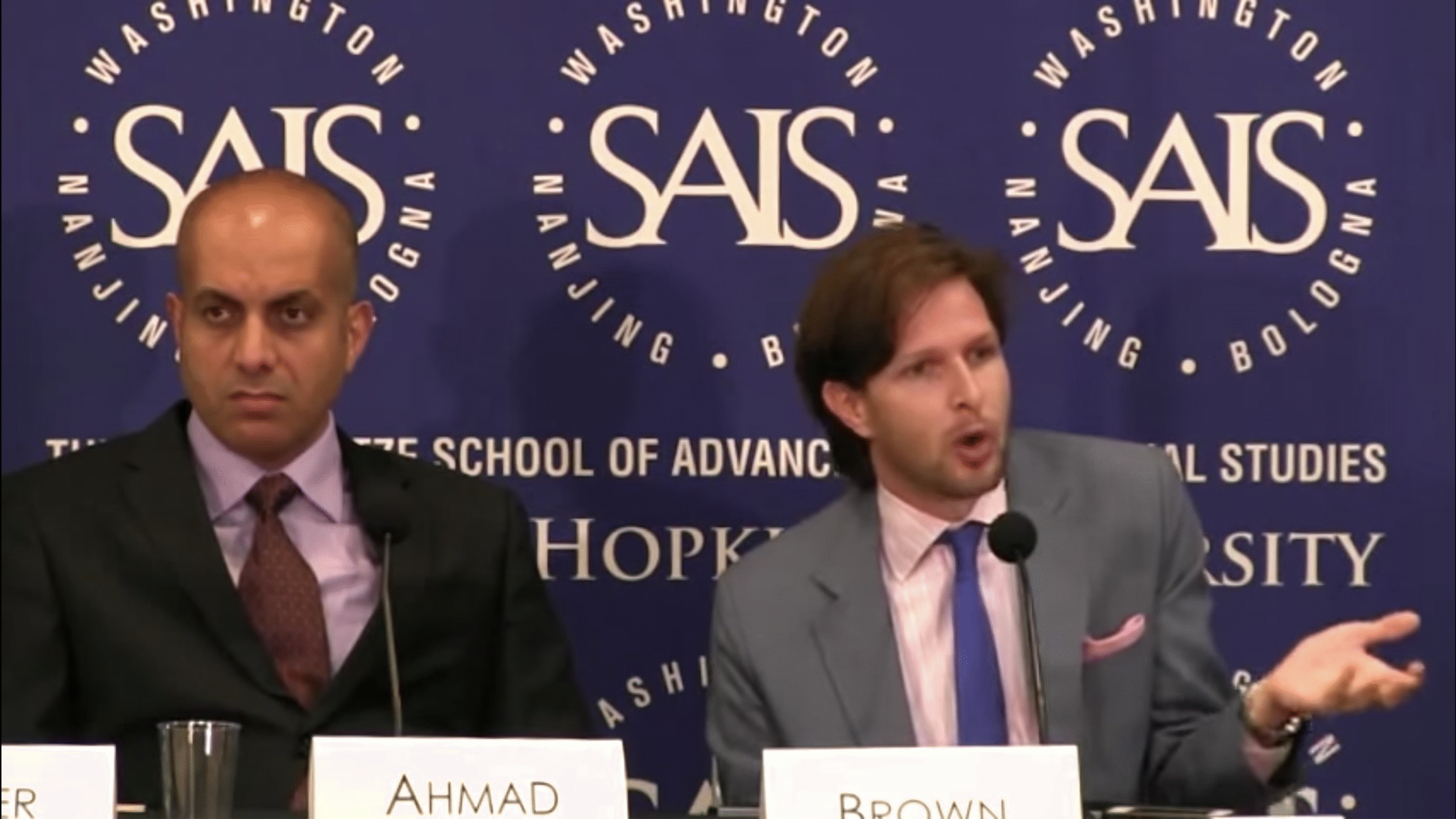
The Middle East Institute, in conjunction with the Conflict Management Program at SAIS, is pleased to welcome Dr. Ahmad Atif Ahmad, Professor of Religious Studies at the University of California, Santa Barbara, and Dr. Jonathan A. Brown, Associate Professor of Islam and Muslim-Christian Understanding at the Edmund A. Walsh School of Foreign Service, for a discussion about the thinking and strategy of Islamist actors in Egypt in the wake of Egyptian president Mohamed Morsi’s ouster.
The Middle East Institute, in conjunction with the Conflict Management Program at SAIS, is pleased to welcome Dr. Ahmad Atif Ahmad, Professor of Religious Studies at the University of California, Santa Barbara, and Dr. Jonathan A. Brown, Associate Professor of Islam and Muslim-Christian Understanding at the Edmund A. Walsh School of Foreign Service, for a discussion about the thinking and strategy of Islamist actors in Egypt in the wake of Egyptian president Mohamed Morsi’s ouster.
The Middle East Institute, in conjunction with the Conflict Management Program at SAIS, is pleased to welcome Dr. Ahmad Atif Ahmad, Professor of Religious Studies at the University of California, Santa Barbara, and Dr. Jonathan A. Brown, Associate Professor of Islam and Muslim-Christian Understanding at the Edmund A. Walsh School of Foreign Service, for a discussion about the thinking and strategy of Islamist actors in Egypt in the wake of Egyptian president Mohamed Morsi’s ouster.
The Middle East Institute, in conjunction with the Conflict Management Program at SAIS, is pleased to welcome Dr. Ahmad Atif Ahmad, Professor of Religious Studies at the University of California, Santa Barbara, and Dr. Jonathan A. Brown, Associate Professor of Islam and Muslim-Christian Understanding at the Edmund A. Walsh School of Foreign Service, for a discussion about the thinking and strategy of Islamist actors in Egypt in the wake of Egyptian president Mohamed Morsi’s ouster.
The Middle East Institute, in conjunction with the Conflict Management Program at SAIS, is pleased to welcome Dr. Ahmad Atif Ahmad, Professor of Religious Studies at the University of California, Santa Barbara, and Dr. Jonathan A. Brown, Associate Professor of Islam and Muslim-Christian Understanding at the Edmund A. Walsh School of Foreign Service, for a discussion about the thinking and strategy of Islamist actors in Egypt in the wake of Egyptian president Mohamed Morsi’s ouster.
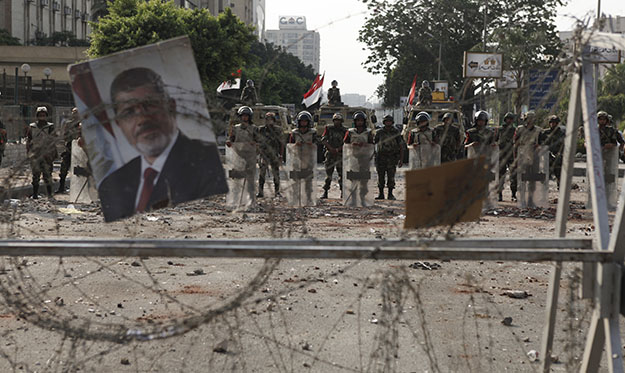
The United States government announced last week that it would not, after all, make a determination as to whether the ouster of Egypt’s Mohamed Morsi constituted a “coup.”[1] This decision has both important strategic and financial implications for the United States. By not designating Morsi’s expulsion as a military coup, U.S. law allows the United States to continue its $1.5 billion in annual aid to Egypt.
Earlier this month, Interim President Adli Mansour appointed Judge Mohamed Amin el-Mahdi as Egypt’s first-ever Minister of Transitional Justice and National Reconciliation. It’s an encouraging move for a country that has, for decades, endured an oppressive environment of fear due to successive regimes’ use of power and the security apparatus to suppress and torture dissidents. After Hosni Mubarak’s ouster in 2011, many Egyptians hoped that their long list of abused rights could find justice, but until now very little has been accomplished.
The Future of Democracy in Egypt: Notes from the Ground
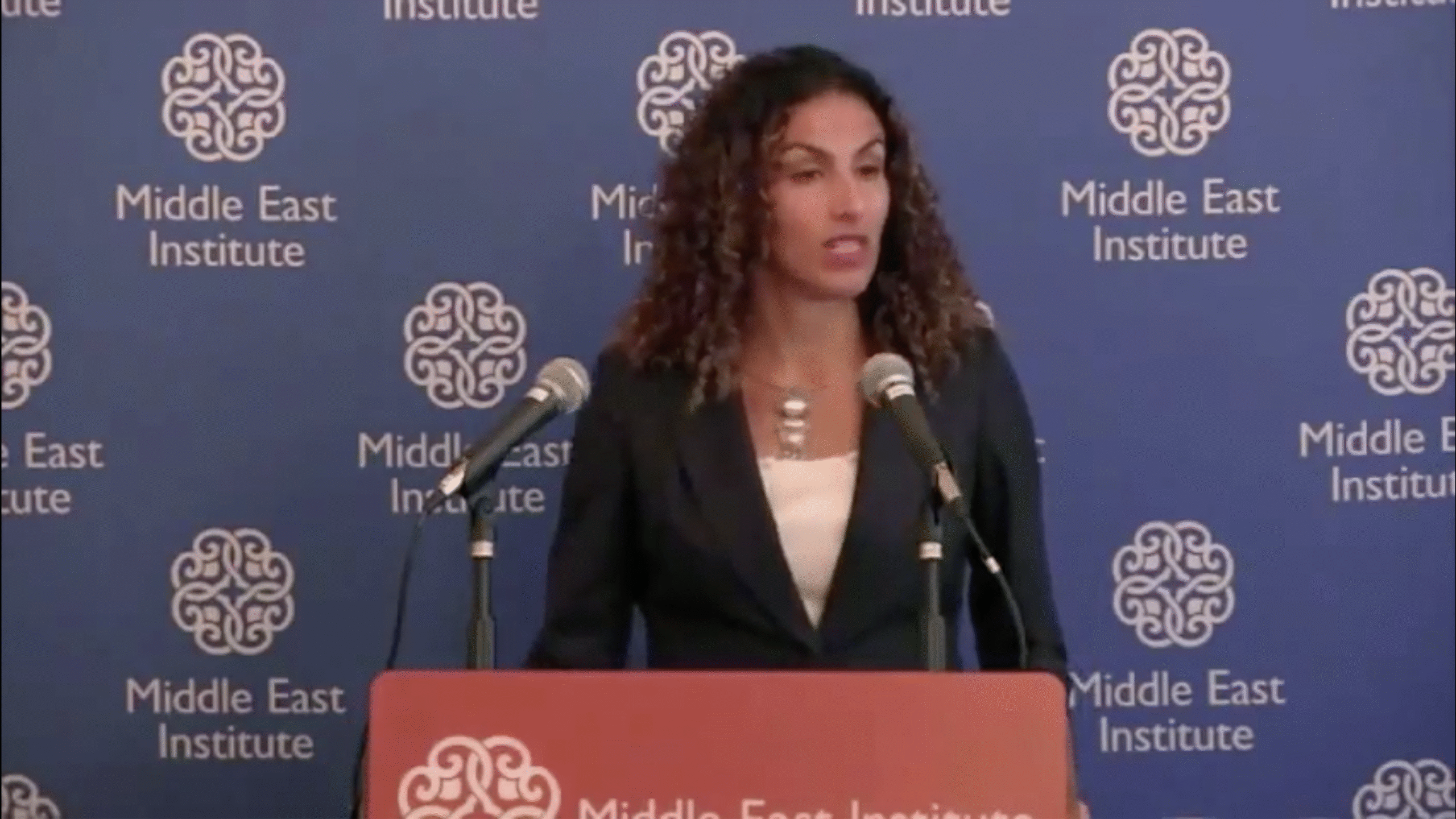
The Middle East Institute is proud to host Sahar F. Aziz, associate professor of Law at Texas Wesleyan University, and Mirette F. Mabrouk, deputy director for Regional Programs at the Atlantic Council’s Rafik Hariri Center for the Middle East, for a discussion about the impact and implications of the ouster of President Mohamed Morsi. Mirette Mabrouk will provide a macro-perspective of the current situation and discuss some of the key turning points that precipitated the recent crisis.
The oldest peer-reviewed publication dedicated to the study of the modern Middle East, MEI’s flagship journal covers politics, society, and culture in the region.