This report explores maritime security conditions in the Mediterranean and the evolving US engagement in the region. As critical infrastructure becomes increasingly vulnerable to sabotage, freedom of navigation is undermined by conflict, and energy disputes generate tension, US policy focus on the region has become fragmented and disengaged. The authors call for a sustained American role to strengthen maritime domain awareness, allied coordination, infrastructure protection, and the capacity to respond when Mediterranean crises affect US and transatlantic interests.
The Multiple Costs of the US–Iran War – From Hormuz to Europe and South Asia: The Widening Economic and Political Geography of the Conflict
Wars are decided by those who hold military power, but their costs are increasingly borne by those who have little or no voice in the decisions that start them. The US–Iran war shows this imbalance very clearly. Its economic consequences have gone far beyond the battlefield and have disrupted energy markets, trade routes, food supplies, public finances and investment in the Gulf, Europe, Africa and Asia. The most striking feature of the conflict, however, is not only the size of the damage but its very unequal distribution.
In less than two decades, a string of offshore discoveries has turned the Eastern Mediterranean into a significant gas-producing region, making Israel an exporter, twice lifting Egypt into the ranks of liquefied natural gas (LNG) exporters, and giving Cyprus finds it has yet to bring to market. This backgrounder explores the potential and challenges of exploiting and managing LNG resources in the region.
Introduction to Higher Education and the Middle East: Empowering Under-served and Vulnerable Populations
Originally posted October 2010
This second edition of the MEI Viewpoints series on Higher Education and the Middle East focuses on Empowering Under-served and Vulnerable Populations.
The cacophony of bullhorns, fireworks and frenzied cross-country barnstorming in trucks, busses and three-wheeled “tuk-tuks” emblazoned with candidates’ posters has come to an end, and a historic moment has arrived: tens of millions of Egyptians are heading to the polls today in the first democratic presidential election in the country’s history, an election borne out of the 2011 revolution that ousted former President Hosni Mubarak and injected Egyptians with a novel feeling of excitement for participatory democracy.
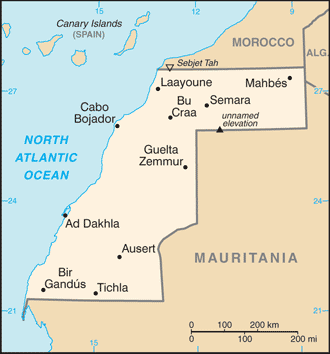
Western Sahara: Deferred Referendum or Lasting Settlement?
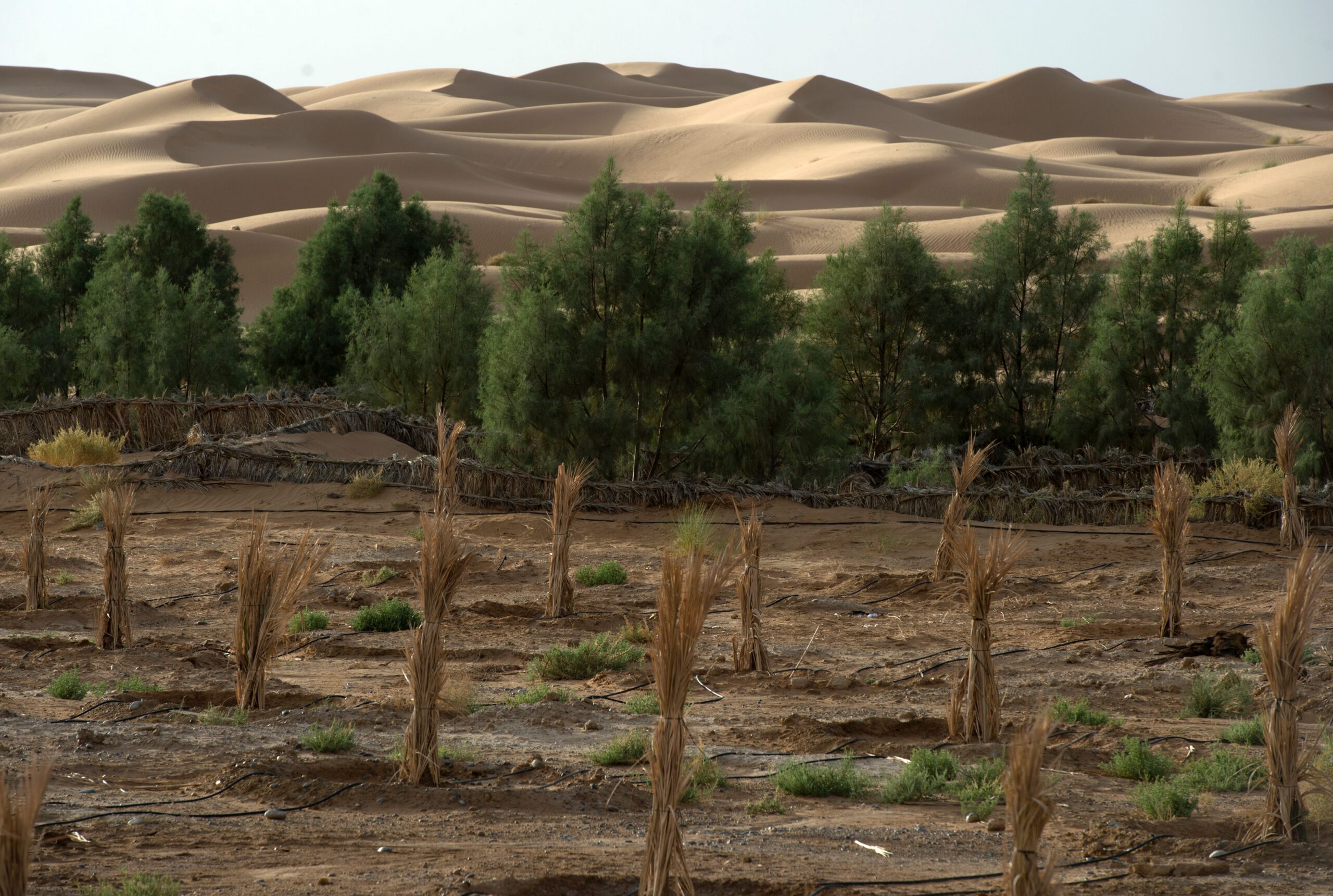
Over the last decade, the dispute over the future status of the Western Sahara territory, which has set Morocco and the Algeria-backed pro-independence Polisario front in opposition, has entered a qualitatively new phase. This is due to attempts at finding a negotiated outcome instead of the long-delayed self-determination referendum. The idea of a political solution to break a twice deadlocked (1997 and 2000) UN self-determination referendum for the Western Sahara territory has steadily revived the prospect of autonomous status for the territory within Moroccan jurisdiction.
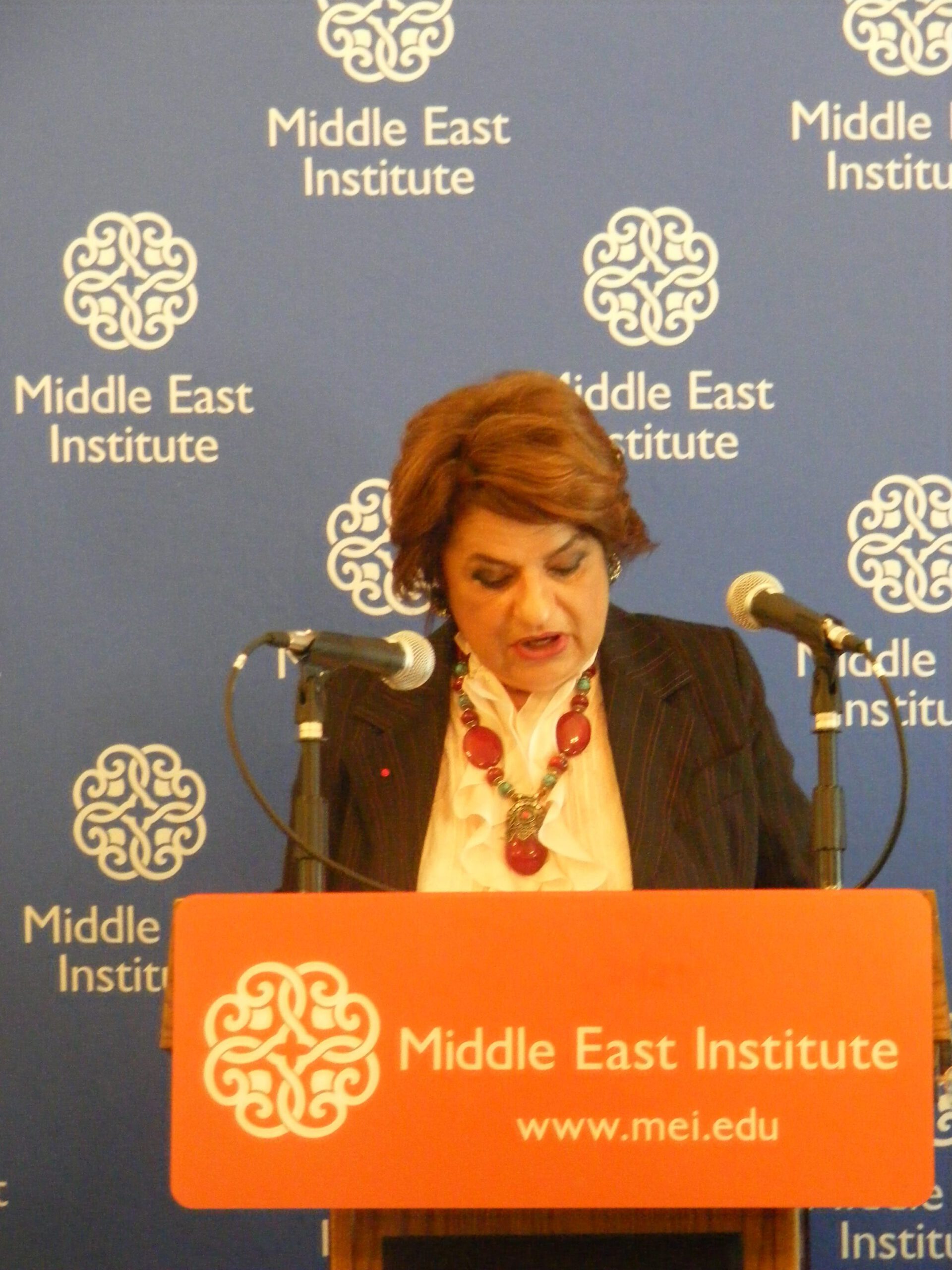
Dr. Makram-Ebeid, along with ten other liberal and leftists members, recently resigned from Egypt's Constituent Assembly in protest over its Islamist majority, leaving only five women and five Christians remaining in the assembly. With the transition process in turmoil, a diverse coalition of Egyptian generals, liberals, bureaucrats, and judges are turning to the courts to attempt to diversify the composition of the Constituent Assembly, which is currently almost entirely dominated by Islamists – both Salafists and members of the Muslim Brotherhood.
The oldest peer-reviewed publication dedicated to the study of the modern Middle East, MEI’s flagship journal covers politics, society, and culture in the region.