This article is part of a collection of short essays written by the Fellows of the Middle East Institute to explore aspects of the ongoing war with Iran. The intent of the collection is to help readers see new and unexpected elements of the dynamics and impact of the ongoing hostilities and to think harder, deeper, and broader about the implications of the conflict.
Egypt: How the Iran War Has Affected Egypt’s Calculations
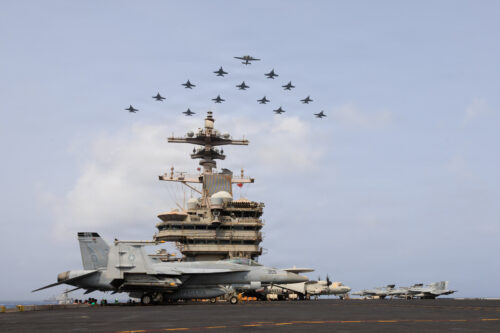
Egypt, which is not party to the war on Iran, has become a target as well as an intermediary in the conflict. As a result, the war has affected Egypt’s future calculations, particularly in three major areas: its economy, its security, and its regional alliances.
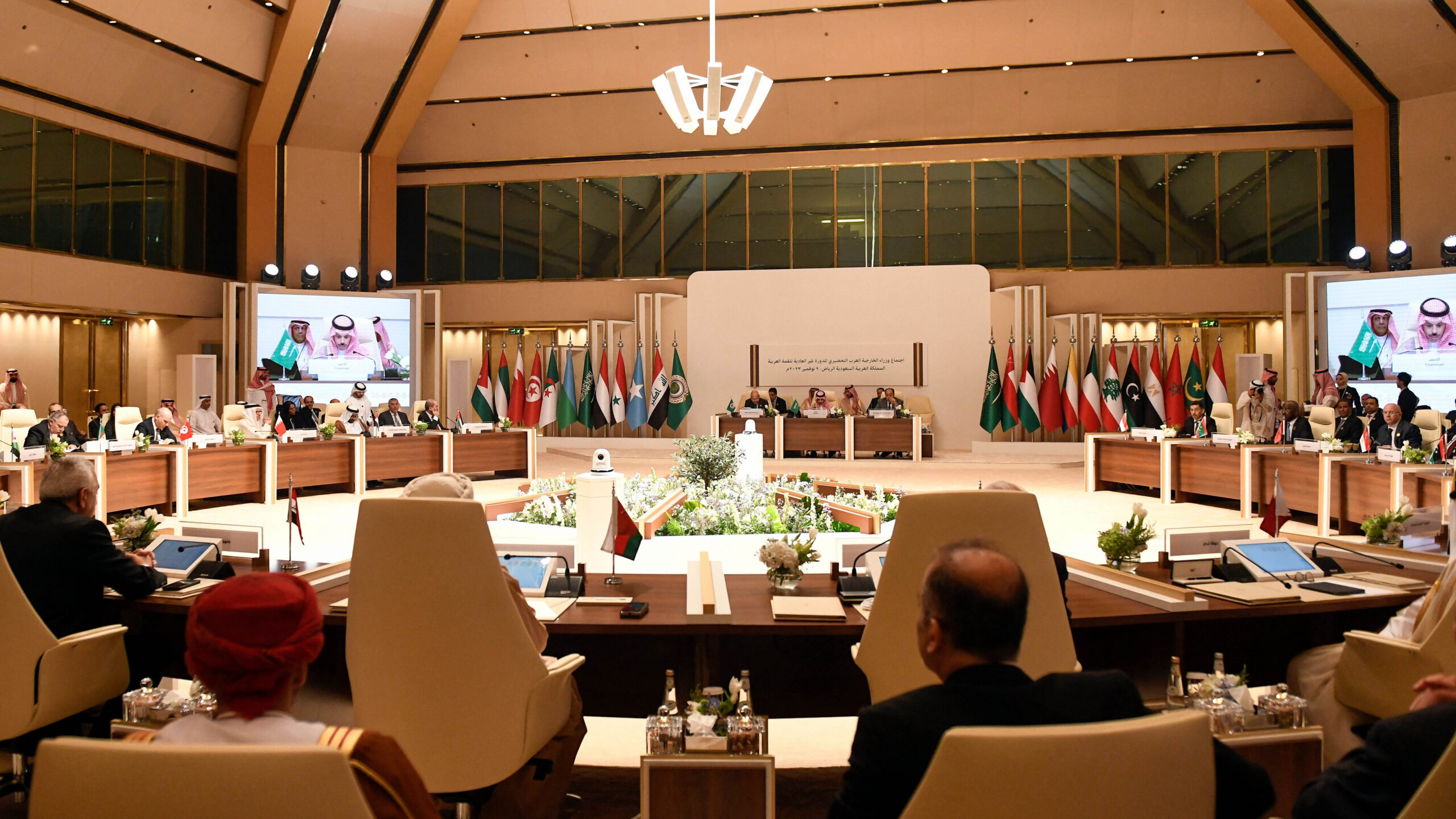
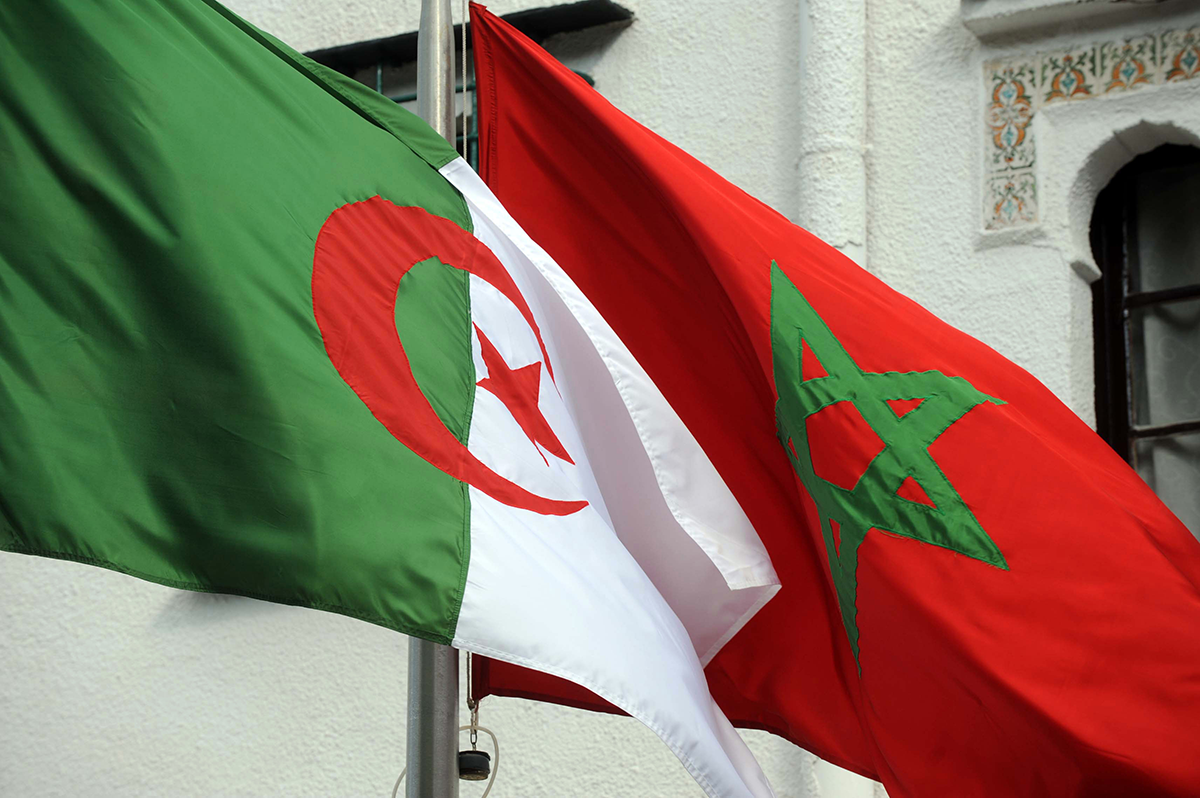
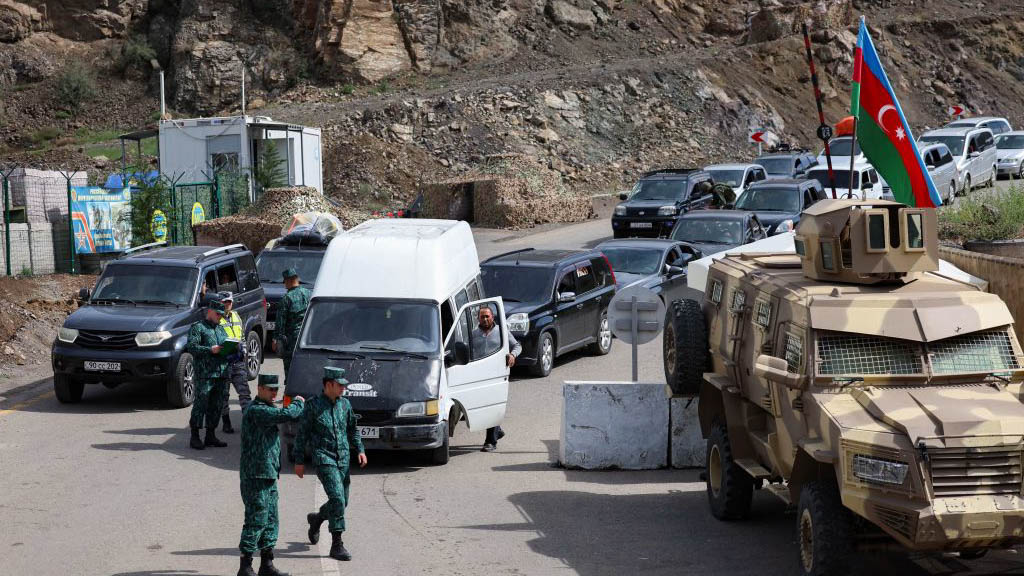
Algeria and Morocco have long been at odds, but recent diplomatic moves may signal a widening geopolitical split in North Africa. Hosts Alistair Taylor and Matthew Czekaj are joined by MEI Senior Fellow Intissar Fakir to unpack Algeria’s decision to sever diplomatic ties with the United Arab Emirates and Morocco’s warming relations with both the UAE and Israel. They also explore linkages between these diplomatic shifts and the Western Sahara conflict, Moroccan domestic concerns, particularly in light of this week’s elections, as well as broader regional stability.
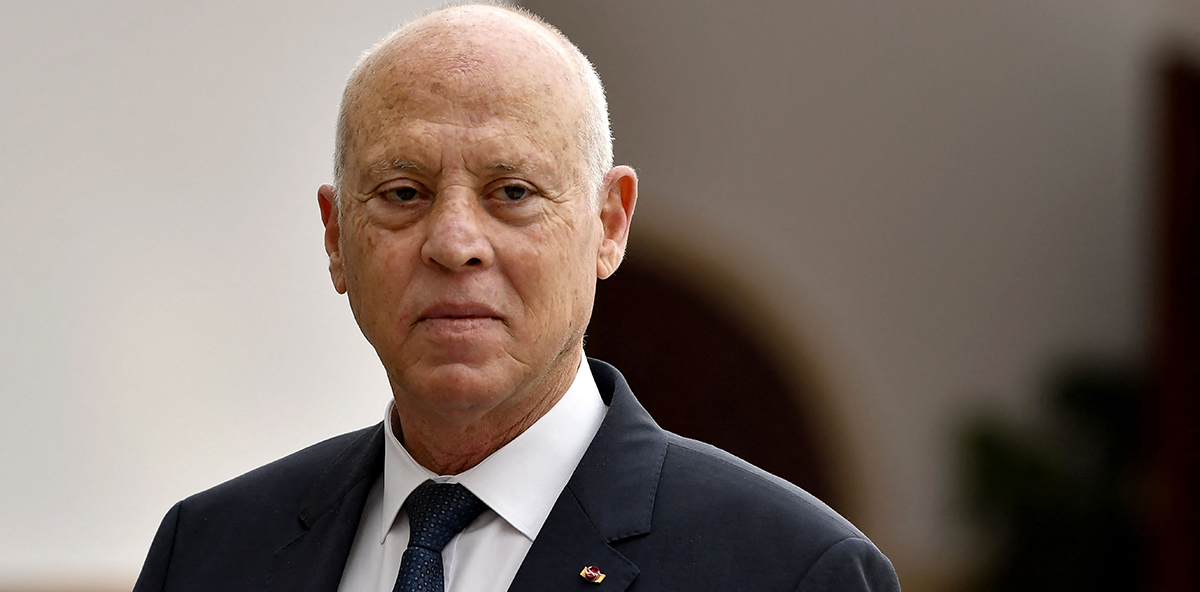
Tunisia’s 2023 local elections: How the "bottom-up structure" will strengthen Kais Saied's one-man rule
Tunisia’s upcoming local elections, the first to be held under the country’s new constitution, are set to take place on Dec. 24, 2023. The announcement of the date came roughly six months after the publication of presidential decrees, in March 2023, that dismantled Tunisia’s first ever democratically elected municipal councils, putting an end to the decentralization process initiated in 2018.
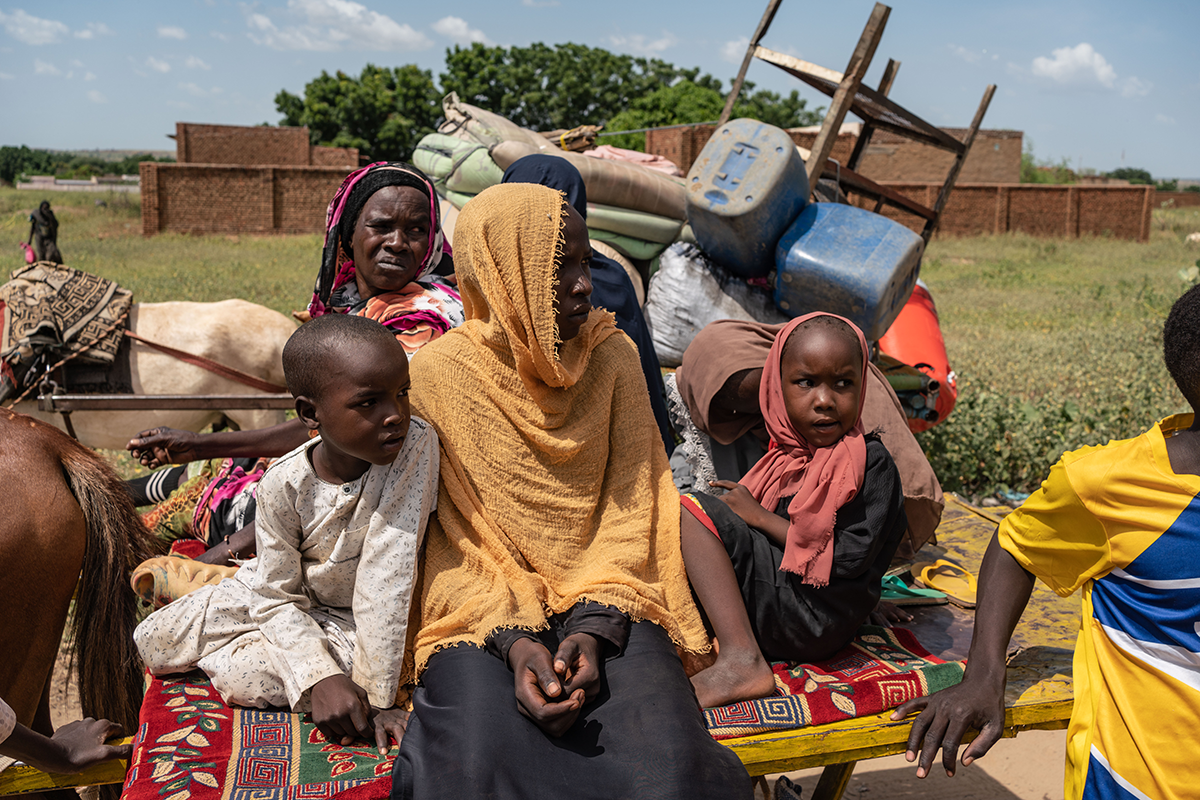
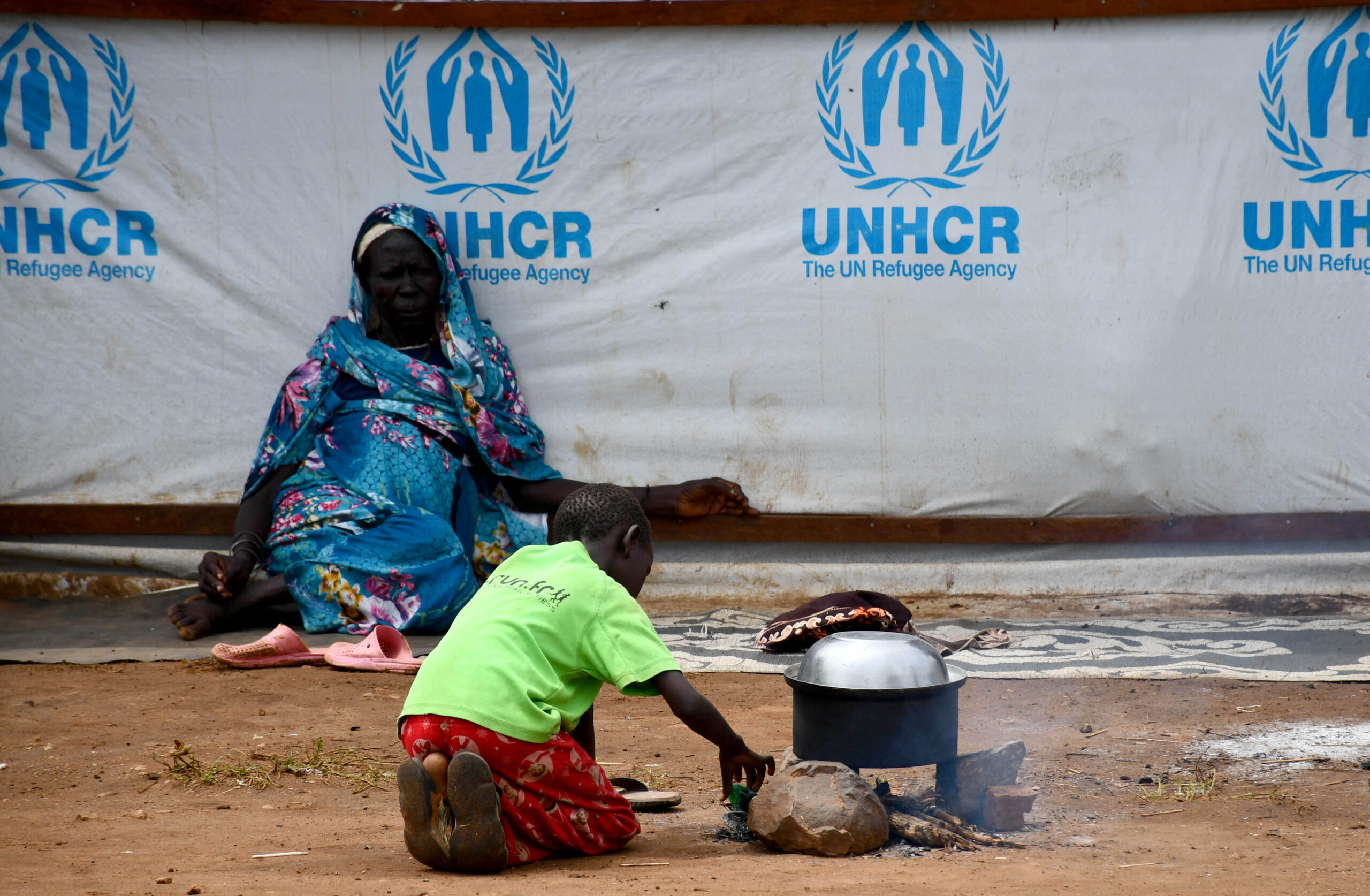
It isn’t a surprise that Sudan’s two warring sides — the Sudanese Armed Forces and its sprawling paramilitary Rapid Support Forces — did not agree to a ceasefire. When they resumed talks in Jeddah, mediated by the U.S. and Saudi Arabia in late October, the RSF was busy launching a major offensive on the vast western region of Darfur.
Morocco and Algeria’s regional rivalry is about to go into overdrive
The rivalry pitting Rabat against Algiers has been intensifying for years. But there are increasing risks that the political and economic competition between the two North African neighbors will accelerate into new and more challenging directions.
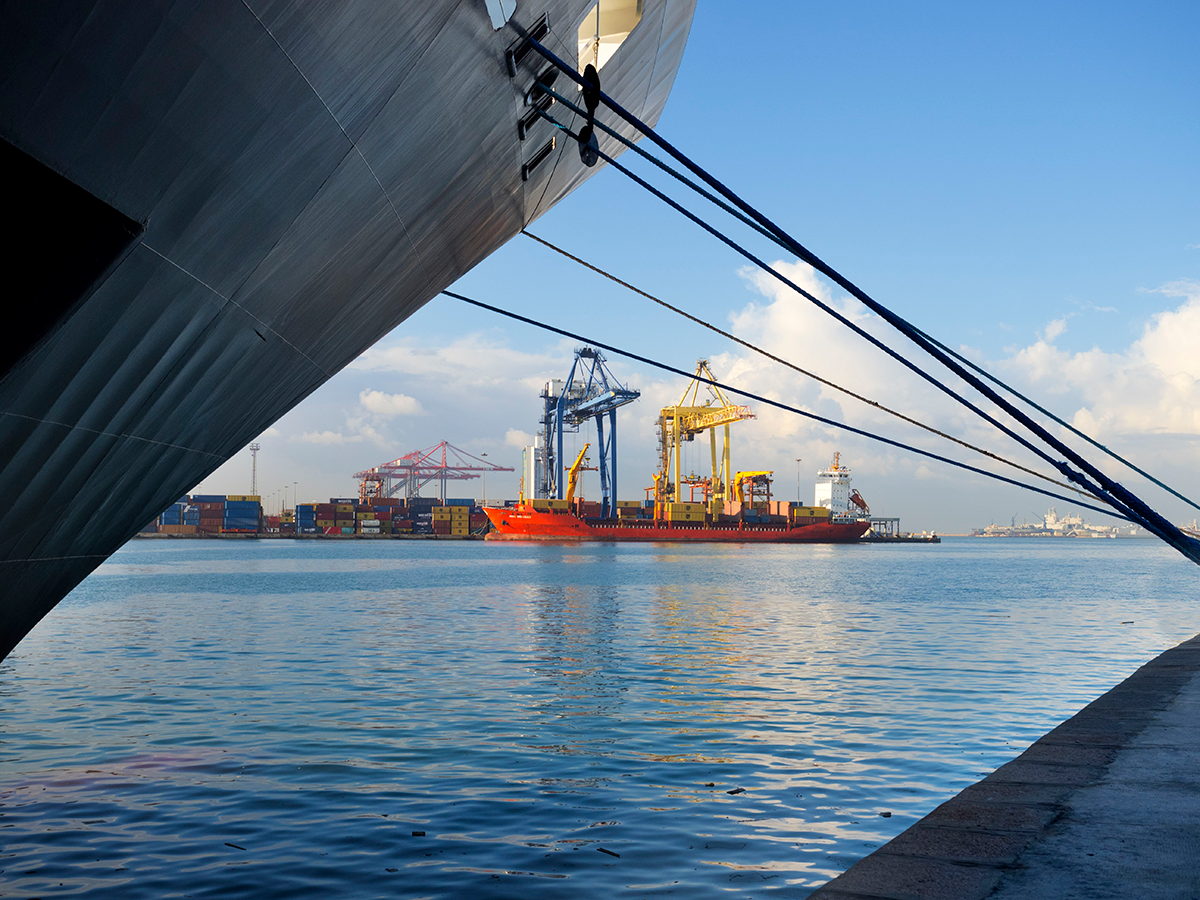
China’s growing maritime presence in Egypt's ports and the Suez Canal
In recent years, China’s presence in Egypt’s strategic ports has grown noticeably, including the involvement of both private and state-owned Chinese companies. While this reflects Beijing’s growing ambitions in the region, the opacity of the Sino-Egyptian agreements and the blurry lines between China’s commercial ports and its military aspirations raise questions about the potential implications.
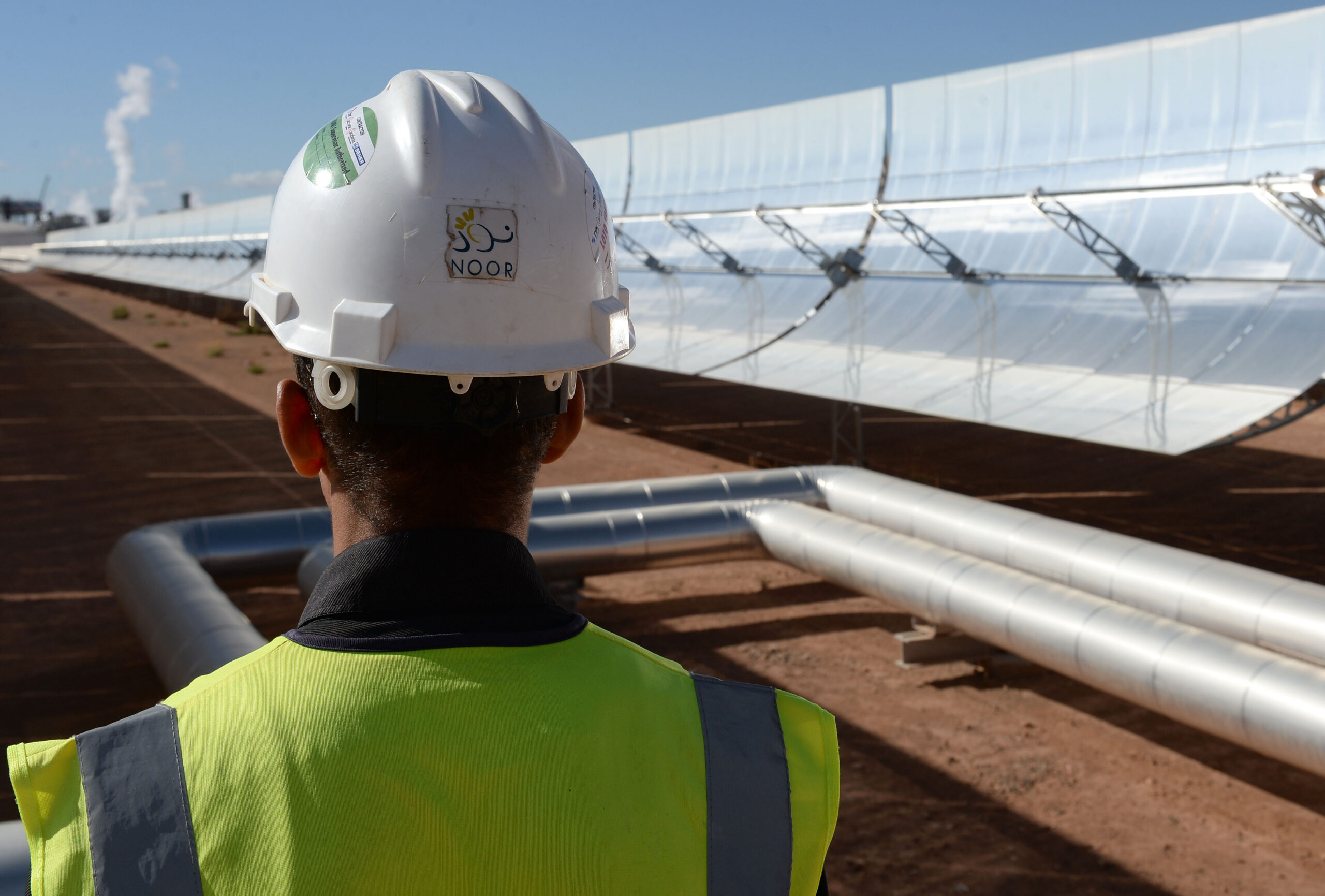
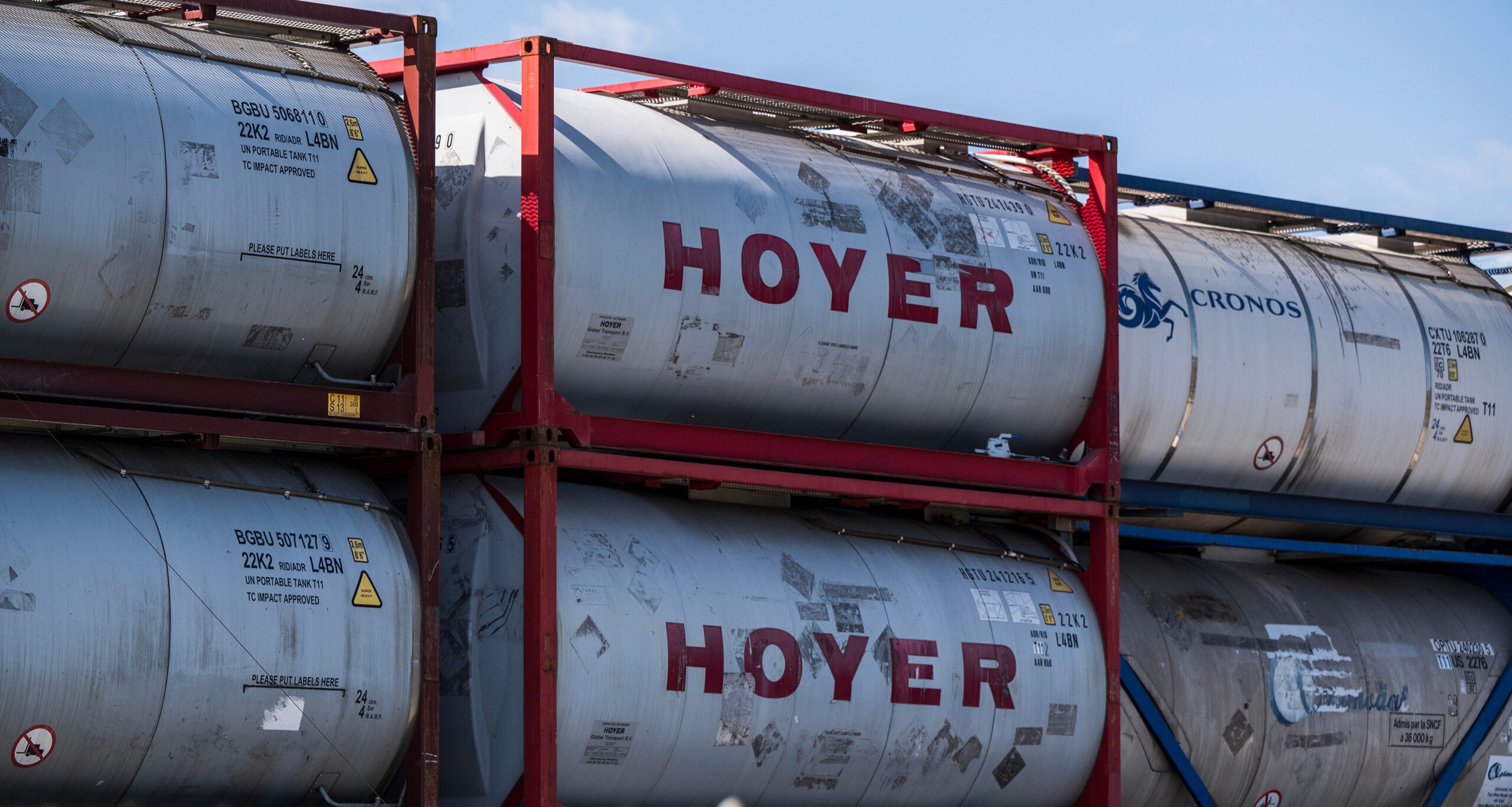
Enhancing Morocco's energy supplies with ISO tank and small-scale LNG
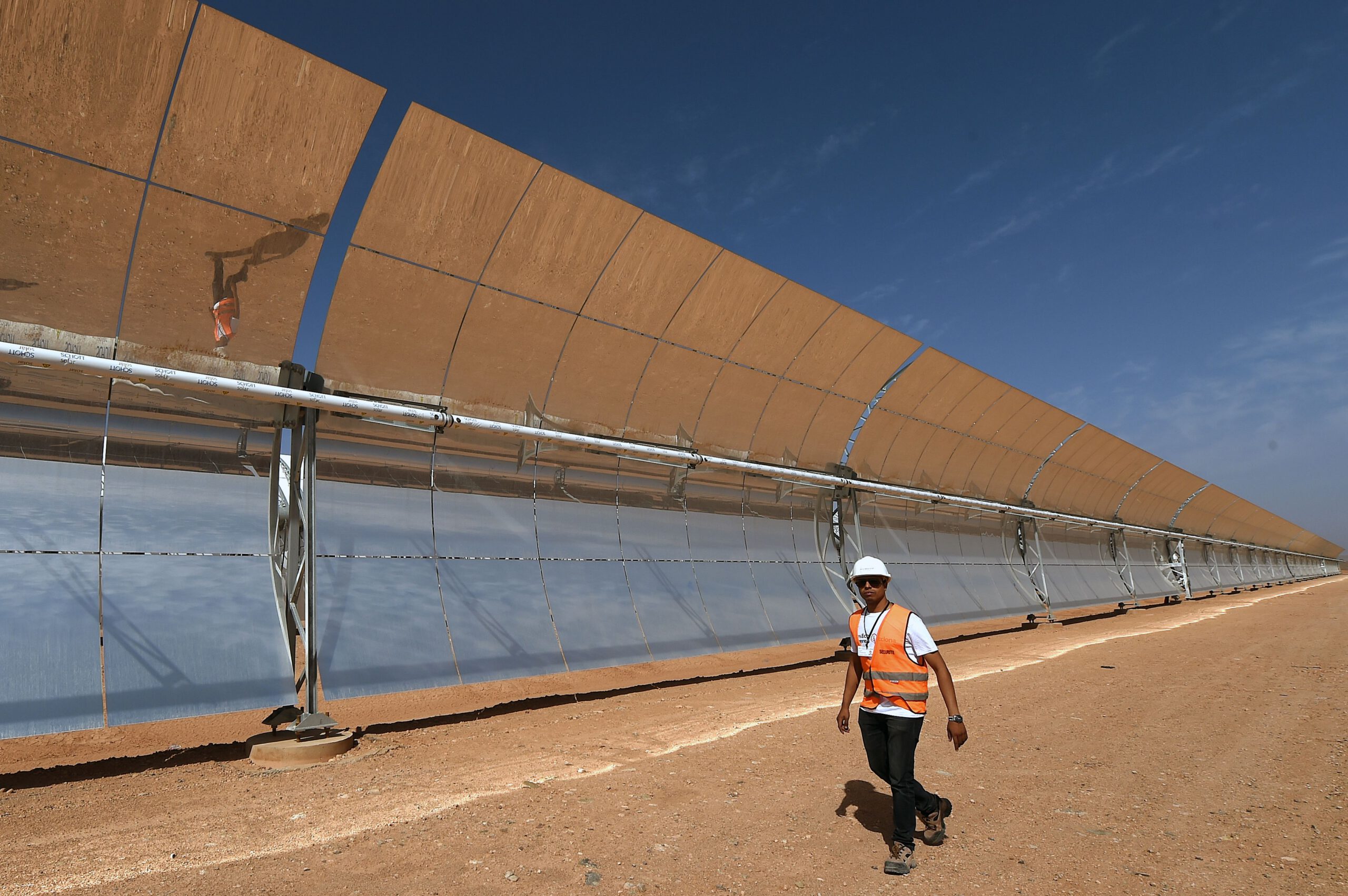
With no new interregional or international gas pipelines currently planned, gas-poor Morocco should consider alternative import schemes, such as LNG import via ISO tank containers, utilizing its well-developed port, rail, and road infrastructure.
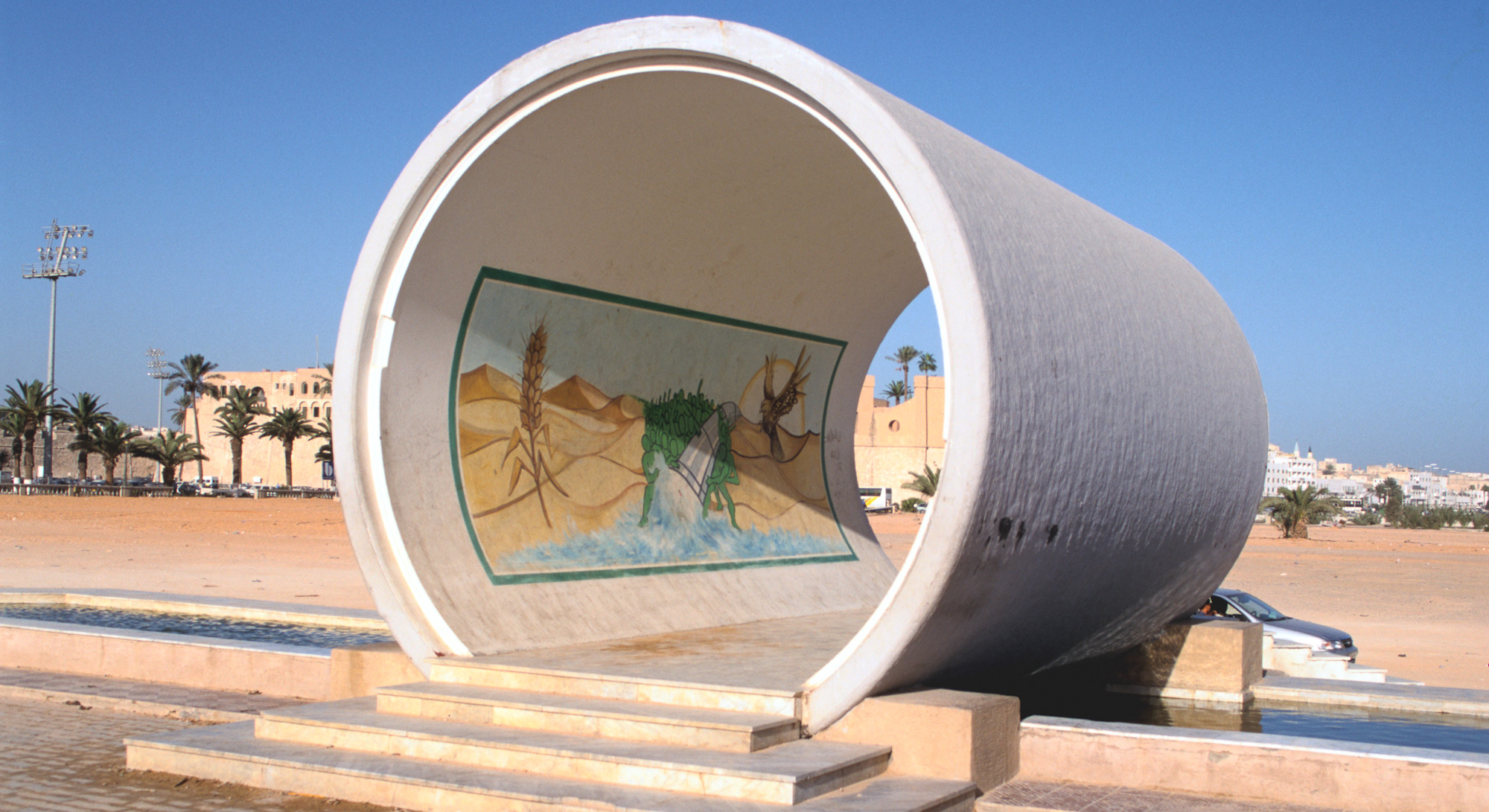
Shared governance of groundwater resources: The case of the Nubian Sandstone Aquifer System
Groundwater resources are critical for the MENA region as much of it suffers from high water scarcity, and for some countries, groundwater aquifers are the only sources of available freshwater supply. The Nubian Sandstone Aquifer System in northeastern Africa is one of the most prominent examples, and must be managed properly in order to maintain regional security and avoid transboundary conflicts.
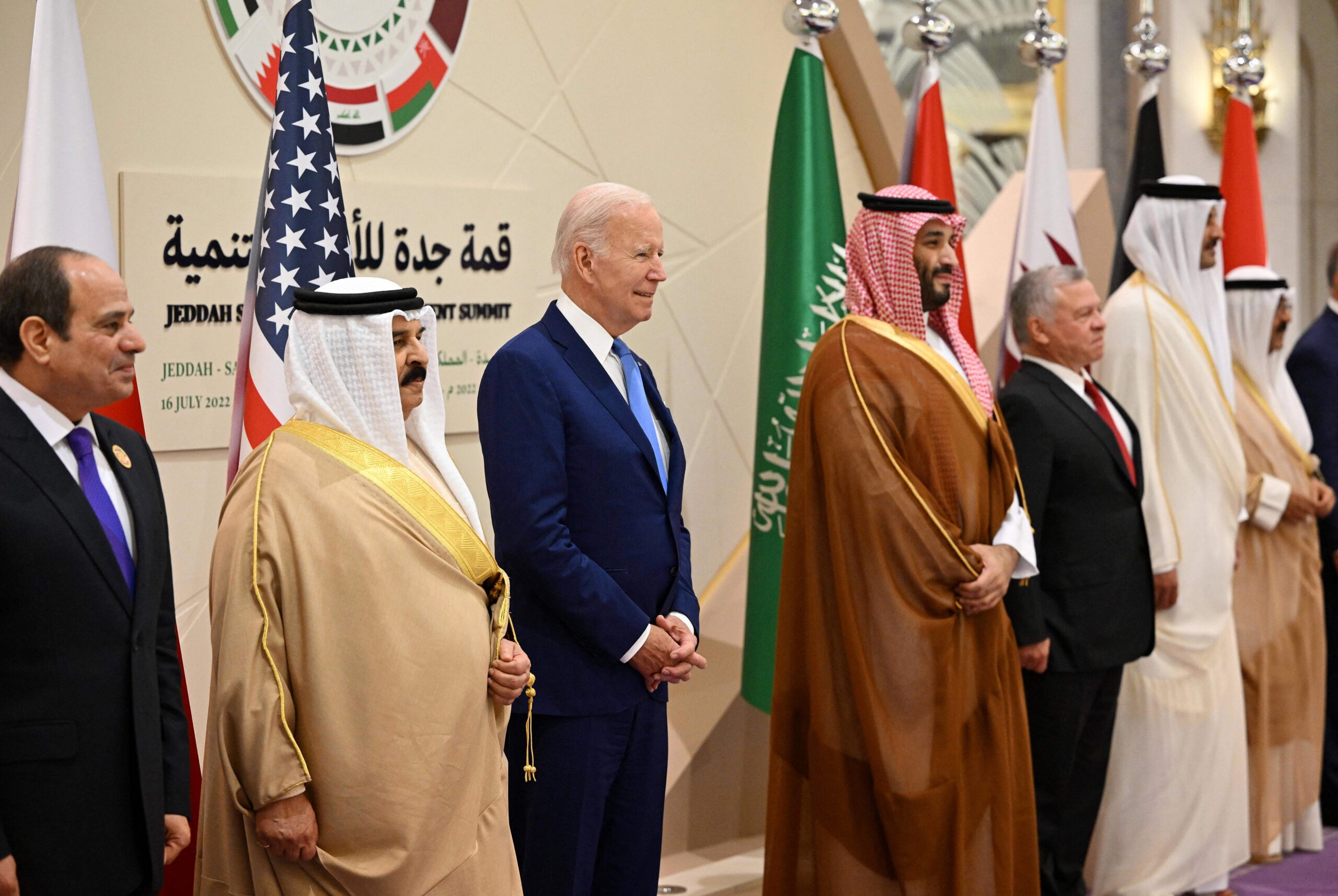
Treading Cautiously on Shifting Sands: An Assessment of Biden’s Middle East Policy Approach, 2021-2023
This report provides an interim assessment of the Biden administration’s overall Middle East strategy and examines the strategic opportunities and risks for U.S. policy in the broader region.
The oldest peer-reviewed publication dedicated to the study of the modern Middle East, MEI’s flagship journal covers politics, society, and culture in the region.