

The Impact of the Iran War on the Gulf’s Grand AI Plans
When Iranian drone strikes hit two of Amazon’s data centers in the United Arab Emirates and Bahrain in early March, amid the ongoing US-Israeli war with Iran, much of the media’s reflex was to declare it the end of the Gulf’s artificial intelligence (AI) ambitions. That read is misguided, and it misses why what Iran was trying to accomplish failed.

How Israel-Backed Sweida Became Syria’s Narcotics Capital
In the early hours of Sunday, May 3, Jordanian F-16 fighter jets crossed into Syrian airspace and launched strikes on at least six locations in the southern province of Sweida. In a statement issued hours later, Jordan’s military said that “Operation Jordanian Deterrence” had targeted “factories, facilities and warehouses used by trafficking groups as launch points for smuggling operations into Jordan.”
The Houthis
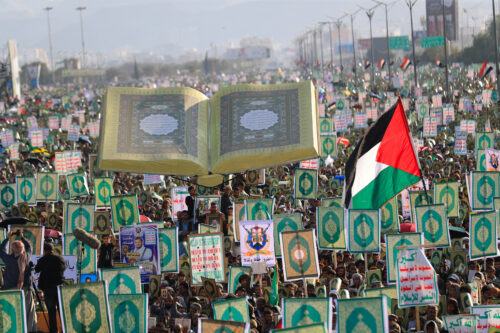
The Houthis are a political-military faction and Zaydi religious movement founded in northwestern Yemen in the 1980s. A key member of Iran’s Axis of Resistance with links to other militant organizations in the Arabian Peninsula and the Horn of Africa, the group has continued to pose a threat to Western interests on a global scale.

Fixing America’s Failed Strategies in the Middle East
The Middle East is both central to key United States interests and prone to instability. Yet US national security and defense strategic guidance has struggled to account for the unique demands of the region. Calls for strategic divestiture from the region have grown in prominence among analysts and policymakers alike in recent years.
America Cannot Afford to Miss This Opening in Lebanon
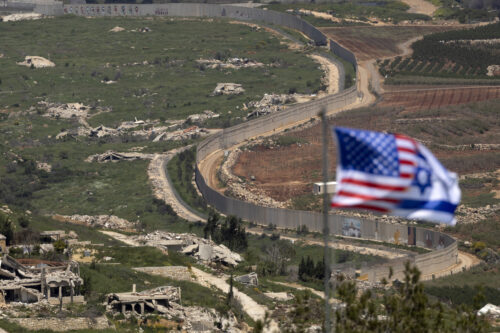
President Donald Trump has an opportunity to do something no American president has managed in nearly half a century: end the war between Israel and Lebanon for good.

America Is Fighting the Wrong Drone War
For two decades, US drones hunting terrorists across the mountains of South Asia were the symbol of American military power: precise, lethal, and unmatched. That era is now over. Drones are no longer exquisite tools of counterterrorism and have evolved into something far more common and destabilizing: cheap, expendable, and mass-produced tools of attrition.

A New-Old Regime in Tehran

The US Has Secured a Cease-Fire in Lebanon. But Its Role Shouldn’t End There
Last Thursday, the US announced a 10-day cease-fire “to enable peace negotiations between Israel and Lebanon”. The State Department statement – reportedly agreed to by both governments – marked a significant diplomatic shift. It included an affirmation that “the two countries are not at war,” a commitment to work toward “full recognition of each other’s sovereignty and territorial integrity,” as well as “achieving a permanent agreement that ensures lasting security, stability, and peace.”
Bonus Episode: Stalled Talks and Next Steps for the US and Iran
This bonus episode of Middle East Focus features a recent MEI Virtual Briefing. Director of Communications Zeina Al-Shaib is joined by MEI Distinguished Diplomatic Fellows Alan Eyre and Daniel Benaim to discuss the historic talks held in Pakistan last weekend between the United States and Iran. Tehran insists the US failed to gain its trust, while the US made its red lines clear and declared it would blockade Iranian ports in the Persian Gulf. What happens next? Eyre and Benaim offer insights into what goes on behind the scenes at such negotiations; identify the core issues at play; explore potential incentives to end the war; analyze the weaponization of energy; as well as assess the role of other regional players in this conflict.

A Deal on Iran to Save NATO — and Ukraine
In the midst of a fragile cease-fire to the US-Israeli war on Iran, European leaders remain reluctant to get involved in another Middle Eastern war and are bristling under threats and insults from the US. As the NATO alliance frays and Russian attacks on Ukraine continue, the moment for Europe to take action has arrived, and is fleeting.
American Bases in the Gulf: Targets or Deterrents?
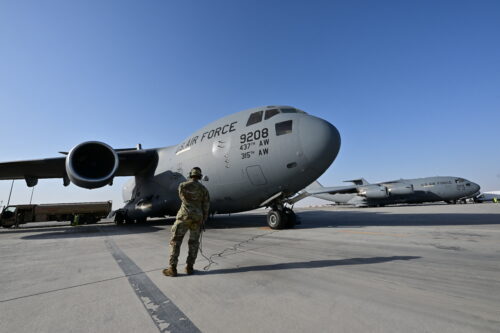
Did the presence of American military bases in the Gulf monarchies draw those states into the American-Israeli war against Iran, a war they had no say in initiating and no voice in prosecuting? That is certainly the feeling among some citizens of those states.
Zarif’s Peace Gambit Meets Tehran’s Limits
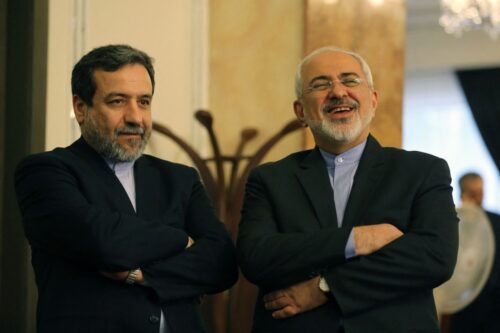
What made Mohammad Javad Zarif’s recent Foreign Affairs article so explosive was not simply what he proposed, but when and where he proposed it.
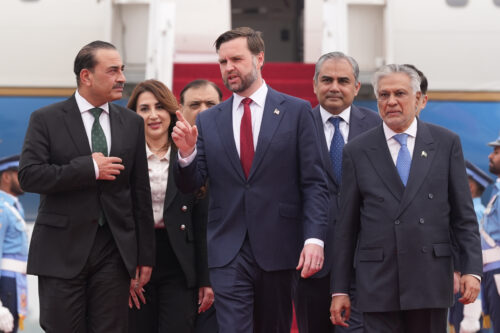
After Islamabad
Amb. Hale discusses three broad policy options for Washington following the failure of the US-Iran talks in Pakistan.
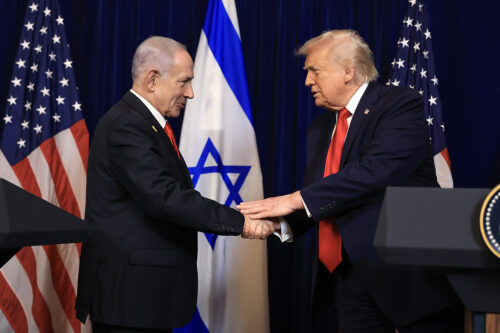
To Win a War, Know What You’re Fighting For
The US and Israel entered the war with three goals, and these goals were in tension from the start.