The relative resilience of GCC countries to the Iran crisis
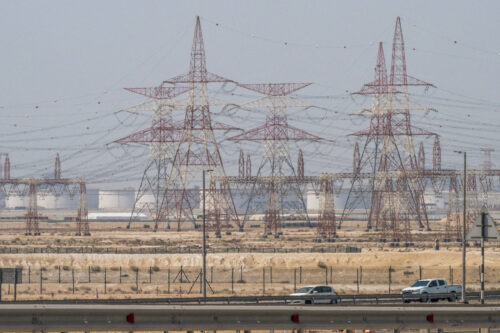
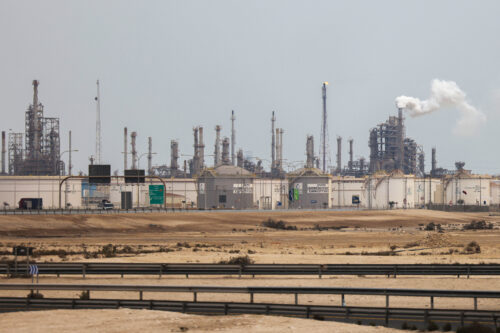
Gulf states — including their national oil companies and sovereign and related entities — are energy giants. They understand the risks of a prolonged threat from Iran and did not choose this war. They also recognize the risks of their geographic location, should the region endure another bout of instability and dislocation from a fragmented and collapsing neighbor.
Tripartite Gulf Power: The Diverging Geoeconomics of Saudi Arabia, the UAE, and Qatar, and the Implications for MENA and the Global Order
While acknowledging the centrality of security tensions and potential conflict in the Gulf, this essay intentionally sets aside a detailed treatment of military and hard-power dynamics, concentrating instead on the geoeconomic logics of capital, infrastructure, energy, and connectivity, through which Gulf states now articulate power in a fragmented world order.
As the third and seemingly decisive round of talks in Geneva concluded, the Trump administration had avoided diplomatic deadlock — but only by narrowing negotiations to the nuclear file.
How Iran, China, and Russia Use the Shadow Fleet to Evade US Sanctions
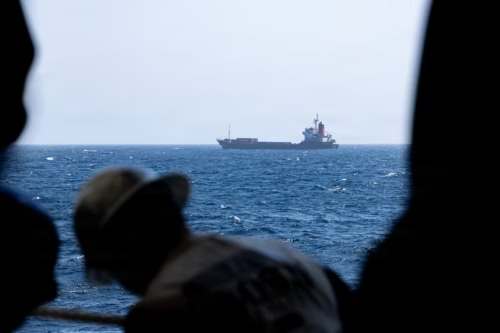
Crude oil legally sanctioned by the United States and its allies today makes up an estimated 18% of global tanker capacity, or 6-7% of total unrefined petroleum flows — shares that have been growing. Increased pressure on Russian exports and US intervention in Venezuela have further constrained Russian flows and temporarily removed Venezuela, the smallest sanctioned producer, from the market. Iranian exports, however, remain largely untouched.
From the Middle East to West Asia: Redefining America’s Global Strategy
MEI Senior Fellow Mohammed Soliman joins hosts Alistair Taylor and Matthew Czekaj to discuss his new book, West Asia: A New American Grand Strategy in the Middle East. The book argues that it is time for the United States to move decisively away from nation-building and focus instead on order-building, outlining a framework for a new regional order that links Europe to the Indo-Pacific. Soliman also shares how he conceived of the core ideas behind his book and explains why his thesis is especially relevant in today’s geopolitical, economic, and technological landscape.
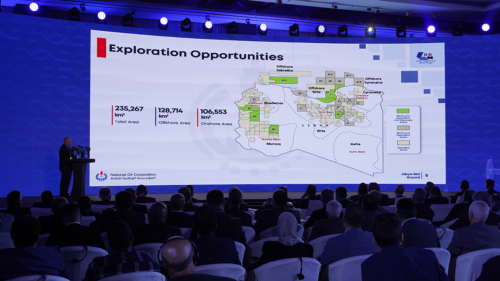
The question facing international oil companies is not whether Libya has oil and gas to develop. It does. The question is whether the country’s current political, economic, and security conditions allow that potential to be converted into reliable returns — and whether near-term changes could alter that calculation.
Despite escalating conflicts, sanctions, and strategic rivalry across key producing regions, the global oil market increasingly behaves less like a system gripped by scarcity fears and more like one struggling to absorb abundance.
A New Phase in Vision 2030: From Strategic Exemptions to Broad Ownership
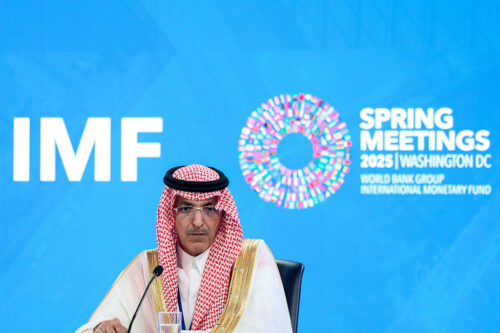
Saudi Arabia is making a bold push to rewire the rules of the game for foreign investment within the Kingdom. The proposed lifting of the 49 percent foreign‐ownership cap in publicly listed companies is emerging as the next frontier of that effort. This reform, scheduled to take effect on February 1, could change the calculus for active and passive global capital, drive fresh scrutiny of regulatory constraints, and test the Kingdom’s ability to follow through in what may prove to be a tight balance between opening up and preserving sovereign control.
Iran’s political deadlock — and a way out the regime is unlikely to take
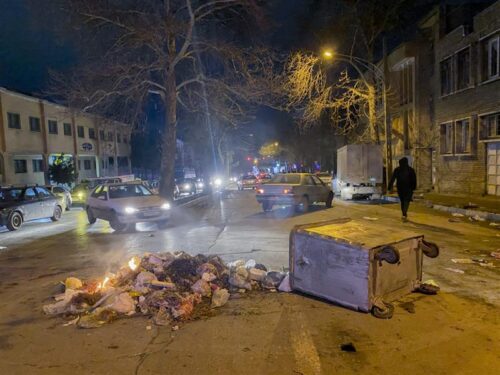
On Sunday, December 28, Iran’s latest wave of unrest began not on a university campus or in a symbolic political square, but in the very heart of the country’s economic sphere: the Grand Bazaar commercial center in downtown Tehran. What distinguishes the current moment is not simply the persistence of unrest but its emotional register. Iranian commentary increasingly describes not just hardship but a collapse of expectations of a better future.
أساليب ووسائل الاستثمار المباشر في المشاريع الجديدة بين الصين ودول مجلس التعاون الخليجي
يتناول هذا المقال التغيرات التي طرأت على حجم وتوزيع تدفقات الاستثمار بين الصين ودول مجلس التعاون الخليجي على مدى العقدين الماضيين، أي منذ عام 2003 وحتى الوقت الحاضر تقريباً.
قمة ترامب-محمد بن سلمان: مشاعر طيبة، والتزامات حقيقية، وأسئلة عالقة
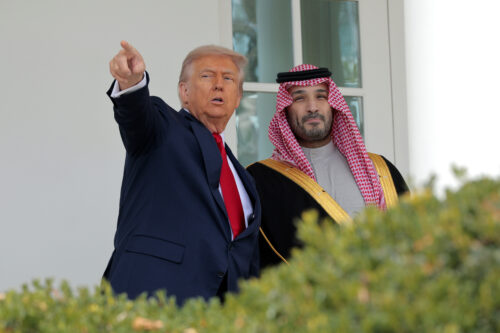
غادر محمد بن سلمان، ولي العهد ورئيس الوزراء وصانع القرار الرئيسي في المملكة العربية السعودية، واشنطن وقمة قمة الرئيس دونالد ترامب بعد أن قدم عددًا من الوعود وتلقى عددًا من الالتزامات. لكن العديد من الأسئلة، بما في ذلك تلك المتعلقة ببنود الأجندة الدبلوماسية المشتركة، ومدى التعاون النووي المدني، وطبيعة التزام الولايات المتحدة الدفاعي تجاه المملكة العربية السعودية، لا تزال دون إجابة.
Special Feature: A Front-Row Seat to Saudi Arabia’s Transformation
In this episode, Brian sits down with Faisal Abbas, editor-in-chief of Arab News. Abbas, who reported on Saudi Crown Prince Mohammed bin Salman’s November 18 visit to the White House, unpacks his impressions from the visit and the opportunities it presents for US-Saudi relations. The conversation also explores the Kingdom’s transformation over the past decade, its relationships with key partners including the United States, and Abbas’s recommendations for deepening the US-Saudi partnership going forward.
ملخص قطاع الطاقة في منطقة الشرق الأوسط وشمال أفريقيا، الربع الثالث من عام 2025: عمالقة الخليج في الخارج، وصفقات هشة في الداخل
ملخص الطاقة في منطقة الشرق الأوسط وشمال أفريقيا هو استعراض ربع سنوي لأهم التطورات التي شهدتها المنطقة في مجال الطاقة خلال الفترة من يوليو إلى سبتمبر 2025، وما تشير إليه هذه التطورات في الأشهر المقبلة. ويستعرض الملخص هذه التطورات من منظور السياسات والاستراتيجيات وأمن الطاقة والأسواق.
On November 18, Saudi Crown Prince Mohammed
bin Salman (MBS) is scheduled to make his first trip to Washington since 2018. President Donald Trump has doubled down on the Gulf from the outset of his second term, making Riyadh his first planned overseas trip and reorienting ties around major artificial intelligence (AI) and investment deals. MBS’s visit will test whether both sides can translate ambitious pledges into concrete outcomes. Significant upgrades in defense and security are expected, with movement possible on semiconductor sales and nuclear cooperation. Behind the ambitions, harder questions about Saudi-Israeli normalization and alignment in a rapidly changing region loom as important Oval Office topics.