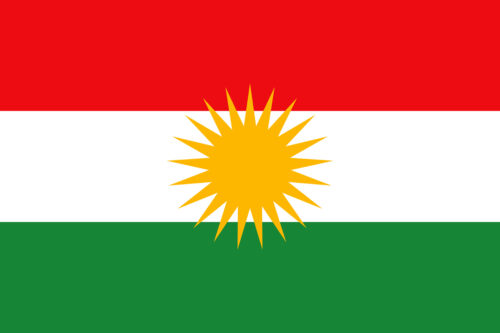
The Kurdistan Region of Iraq
The Kurdistan Region of Iraq (KRI), also known as Iraqi Kurdistan, is a semi-autonomous region in northeastern Iraq with a population of approximately 6.5 million. The KRI’s contemporary politics are rooted in a century of Kurdish efforts to achieve self-rule.

Reflections on a Diplomatic Career in the Middle East: A Conversation With Ambassador Yael Lempert
Brian is joined by Amb. (ret.) Yael Lempert, Vice President for Outreach at MEI, to discuss her career in diplomacy and the importance of US diplomatic efforts abroad. She shares stories from postings across the Middle East in Baghdad, Cairo, Tripoli, Jerusalem, and Amman and examines how her personal and professional experiences shaped her approach to the work. Together, Brian and Yael discuss the realities of life in the Foreign Service, the core tenets of American diplomacy, and why it matters in today’s Middle East.
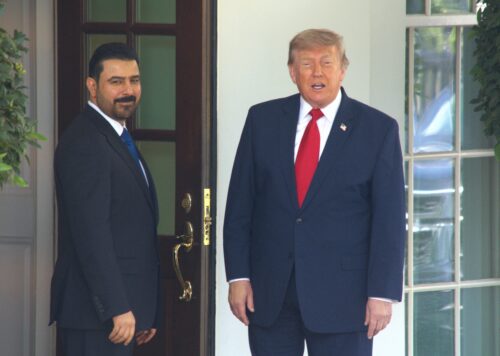
Iraq Is Between Iran and a Hard Place
It has become a commonplace for Americans to describe our current war with Iran as stuck in a kind of limbo, neither full war nor real peace. We’re not the only ones. Iraq finds itself caught in a limbo of its own, between America and Iran, between the tolerable and the intolerable, between progress and relapse.
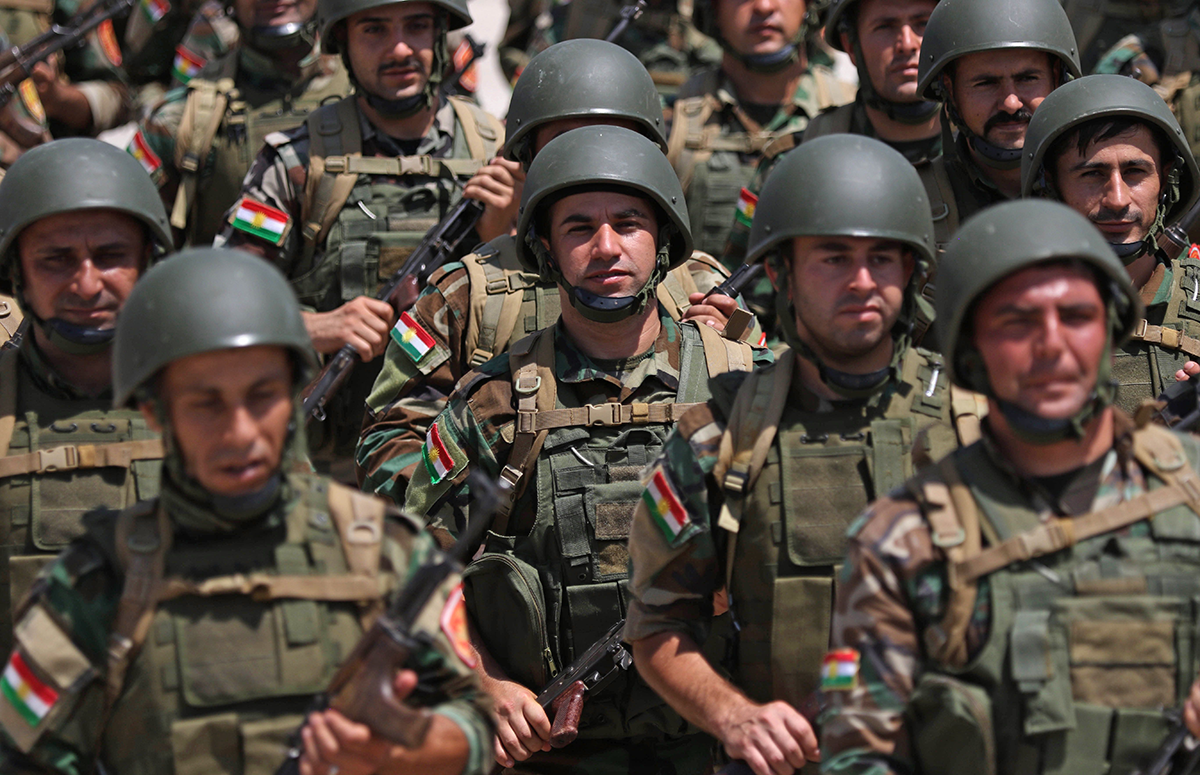
The Army of Kurdistan
The Iraqi Peshmerga, the military arm of the Iraqi Kurdistan Regional Government (KRG), remains one of the United States’ most important defense partners in the Middle East. This monograph provides an in-depth assessment of Peshmerga combat effectiveness, particularly considering its experience in the war against the Islamic State and its subsequent clash with the Iraqi Army and Iran-backed militias. Drawing on past research and more than two dozen interviews with Peshmerga officers, US military officers, and subject matter experts, this study includes detailed policy recommendations as well as a discussion of their implications.
The New Old Middle East
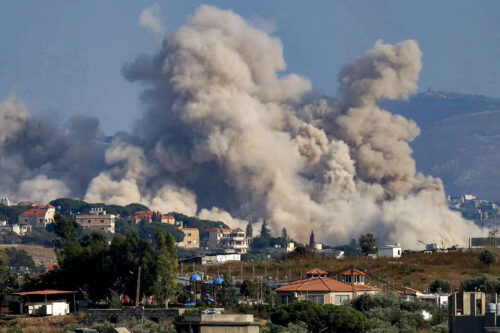
In many ways, the U.S.-Israeli war against Iran and the war in Gaza that preceded it seem transformative. After decades of shadow warfare, Iran and Israel have now attacked each other’s homelands directly. And Israel and the United States have joined forces in a genuinely novel way to wage war against Iran.
The Strategic Cost of Palestinian Powerlessness
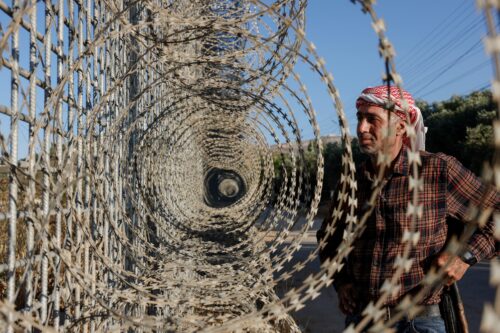
This report considers the lack of Palestinian political agency as a driver of regional insecurity that must be resolved before wider conflicts can be settled. The author analyses the conditions that contributed to the destruction of Palestinian political capacity, including Israeli policies, Palestinian shortcomings, and exploitation by Iran, and makes recommendations for an Arab strategic initiative.
Three Long-Term Effects of Trump 2.0’s Middle East Approach on US Foreign Policy
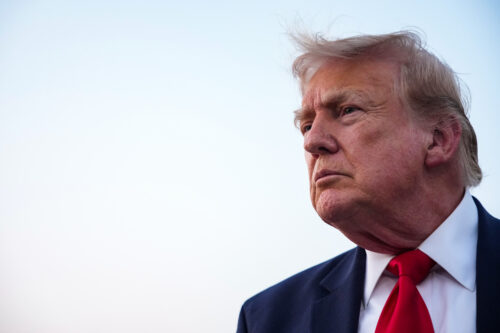
A year and a half into Donald Trump’s second administration, the Middle East is far from where the president had hoped or expected it would be.
Trump’s Family Business Deals Risk Further Undermining the Credibility of US Middle East Policy
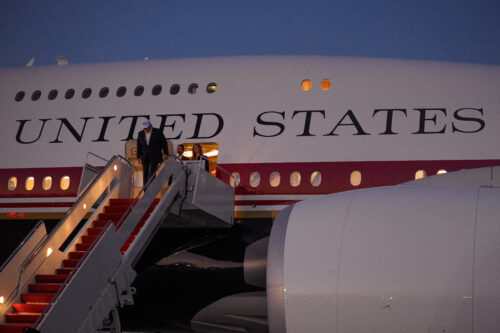
President Trump’s family businesses are once again in the spotlight as a new financial disclosure showed they earned $2 billion in income in 2025 — a dramatic increase on the year before, with much of it coming from Gulf entities, raising emoluments concerns. Mounting perceptions of corruption, combined with unresolved crises in Iran and Israel-Palestine, are eroding trust among key partners in the Middle East. With the 2026 midterms approaching, these entanglements could represent a major political vulnerability and further undermine America’s already-strained standing in the region.
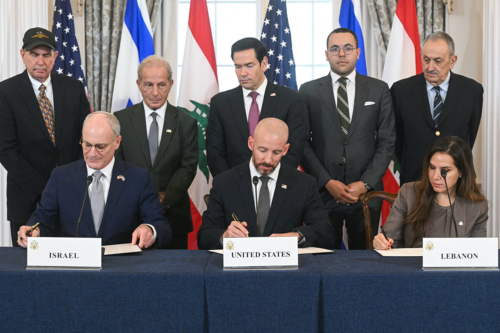
Lebanon Back on Track
Much work lies ahead, but the June 26 agreement is a rare act of constructive statesmanship in the Middle East.
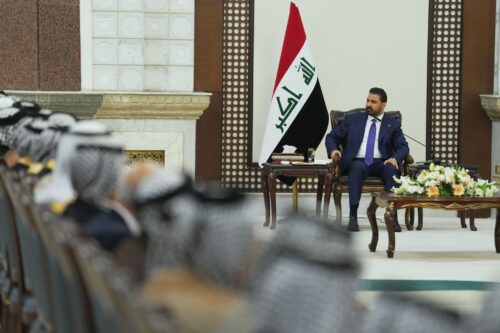
A New US-Iraq Relationship?
The US administration appears to have great expectations for Iraq’s new prime minister, Ali Falah al-Zaidi. But the expectations need to be tempered.
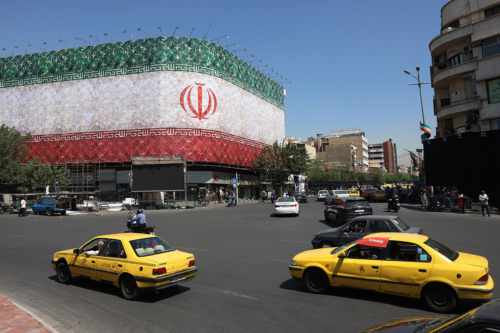
Iran: What’s Next for US Policy as the Region Seeks to Move On
As the US and Iran move to reopen the Strait of Hormuz, the war’s real lesson lies in how Gulf states rapidly adapted — building pipelines, ports, and rail to bypass the chokepoint. Washington should seize this momentum, pursuing a “long game” of regional connectivity that serves shared security and economic interests.

Attacked by All Sides Iraq’s New Government Faces Old Problems
After months of deadlock following the November 2025 elections, Iraq’s parliament approved a new government under Prime Minister Ali al-Zaidi on May 14, 2026 — just as the country has become a battleground in the US-Israel-Iran war. Zaidi inherits a daunting brief: reviving a struggling economy, reining in armed factions, and steering Iraq through a perilous regional landscape. Dr. Renad Mansour, deputy director of the Middle East and North Africa Programme and director of the Iraq Initiative at Chatham House, joins host Alistair Taylor to discuss the war’s impact on Iraq — from Iran’s militia networks to the surge of attacks on the Kurdistan region — and how it’s reshaping Baghdad’s ties with Tehran and Washington.

Israeli Settlements in the West Bank
Since 1967, Israeli settlements in the West Bank have been a contested feature of the Israeli-Palestinian conflict. The ultimate disposition of the settlements and ongoing activity related to their growth have repeatedly defied agreement in negotiations over a resolution to the conflict.