تمت ترجمة هذا النص بواسطة الذكاء الاصطناعي وقد يحتوي على أخطاء.
تخطي إلى المحتوى

Research & Commentary Results

تصفية حسب
554 Results
America’s New Defense Strategy — and What It Means for Iran
  • Podcast
  • America’s New Defense Strategy — and What It Means for Iran

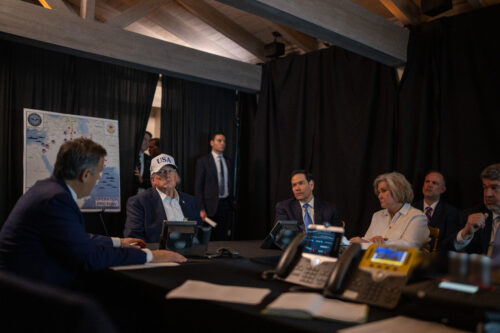
    Hosts Alistair Taylor and Matthew Czekaj are joined by MEI Distinguished Military Fellow Mick Mulroy to discuss the Trump administration’s new National Defense Strategy (NDS) and its implications for the Middle East. While serving as the Deputy Assistant Secretary of Defense (DASD) for the Middle East from 2017 to 2019, Mulroy helped prepare the 2018 NDS, giving him an insider perspective on US defense planning. Together, Taylor, Czekaj, and Mulroy unpack what the new strategy means for US priorities globally and for the Middle East in particular, including how it could be reflected in a potentially looming military strike on Iran.

    February 5, 2026

    Ankara’s double win: Kurds, Israel, and the new Syria
  • التحليل
  • Ankara’s double win: Kurds, Israel, and the new Syria

    Whether the truce between Damascus and the Kurdish-led Syrian Democratic Forces holds or collapses will have major implications for neighboring Turkey, which has long-standing interests in Syria, but recent developments already point to a win for Ankara.

    Bonus Episode: Can Yemen Hold Together?
  • Podcast
  • Bonus Episode: Can Yemen Hold Together?

    This bonus episode of Middle East Focus features an excerpt from a recent MEI Virtual Briefing recorded on January 20. Director of Communications Zeina Al-Shaib is joined by MEI Affiliate Fatima Abo Alasrar and Associate Fellow F. Gregory Gause III to discuss the dramatically changing dynamics in Yemen’s civil war. Last month, Yemen emerged as a focal point of rising tensions between Saudi Arabia and the United Arab Emirates. The Southern Transitional Council, a UAE-backed southern separatist movement, has disbanded in recent weeks, following fierce clashes with Saudi-backed forces. In the conversation, Alasrar and Gause analyze the political, security, and socio-economic shifts affecting Yemen’s internal dynamics and what all this means for regional stability.

    23 يناير 2026

    The Pakistan-Afghanistan conflict: A strategic concern for the US
  • التحليل
  • The Pakistan-Afghanistan conflict: A strategic concern for the US

    Pakistan’s relationship with the Afghan Taliban has shifted from open sponsorship in the 1990s to a silent partnership following 2001 to alienation and belligerence since 2021. Their current conflict, which comes at great cost to both countries and seems to have no easy military or political resolution, also poses a threat to the stability and prosperity of neighboring states. Although American strategic interests in the region greatly diminished following the United States’ military withdrawal from Afghanistan in August 2021, the region’s altered political dynamics have prompted a growing American engagement with Pakistan and tentatively with Afghanistan. At the same time, the US has become a factor in how both Islamabad and Kabul have come to form their national security strategies.

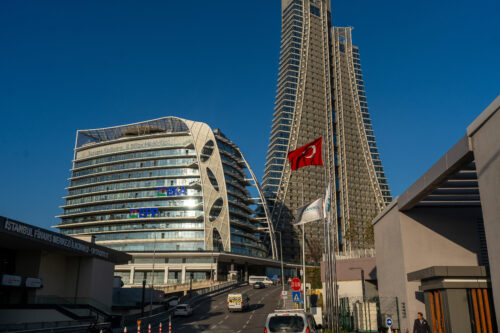
    What Ankara sees in Riyadh — and why it still needs Abu Dhabi
    Photo by Mustafa Kaya/Xinhua via Getty Images
  • التحليل
  • What Ankara sees in Riyadh — and why it still needs Abu Dhabi

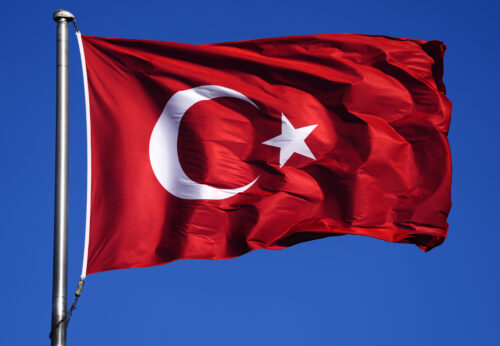
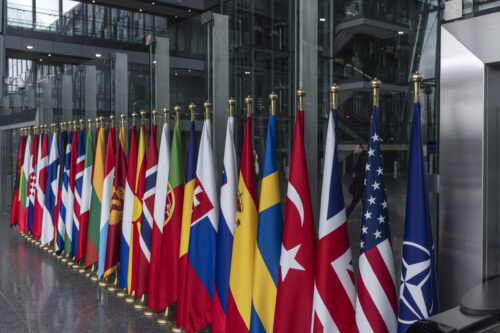
    As the rivalry between Riyadh and Abu Dhabi sharpens in Yemen and beyond, Turkey has begun edging closer to Saudi Arabia, sparking claims that a new regional order is taking shape: a Turkey-Saudi axis backed by a NATO-like defense architecture, implicitly aligned against Israel and the United Arab Emirates. This reading overstates the case.

    Venezuela’s Shadow Over MENA: Perceptions and Precedents
  • Podcast
  • Venezuela’s Shadow Over MENA: Perceptions and Precedents

    MEI Vice President for Policy Ken Pollack joins hosts Alistair Taylor and Matthew Czekaj to explore what the precedent set by the Trump administration’s military capture of Venezuelan President Nicolás Maduro could mean for US policy in the Middle East — particularly in light of ongoing anti-regime protests in Iran. The conversation unpacks the reverberations of Operation Absolute Resolve, Washington’s options for and potential consequences of responding to the Iranian regime’s brutal crackdown, regional perceptions of recent US actions and stated objectives, and broader questions around the direction of the Trump administration’s evolving grand strategy.

    January 15, 2026

    Bonus Episode: Tehran’s Brewing Troubles
  • Podcast
  • Bonus Episode: Tehran’s Brewing Troubles

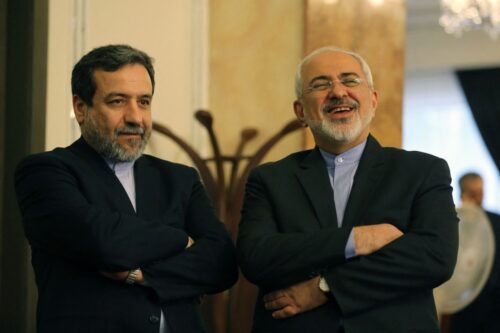
    This bonus episode of Middle East Focus features a conversation from MEI’s Virtual Briefing Series. Director of Communications Zeina Al-Shaib is joined by Distinguished Diplomatic Fellow Alan Eyre and Senior Fellow Alex Vatanka to discuss the ongoing protests in Iran. The street demonstrations, sparked by the country’s economic nosedive and at times turning violent, are the largest in three years. As regime arrests and killings of protesters have intensified, US President Donald Trump has threatened to intervene, his remarks potentially taking on a more vivid significance in light of the American military extraction over the weekend of Venezuela’s President Nicolás Maduro, an ally of Tehran. Eyre and Vatanka discuss what these latest developments mean for an Iranian regime already under intense internal and international pressure; the political impact of President Trump’s threats; the limits of Iranian President Masoud Pezeshkian’s power to de-escalate the situation at home; and how the instability inside Iran may affect the wider region.

    January 8, 2026

    الأعمال غير المنجزة ستحدد أجندة الشرق الأوسط في عام 2026
  • Brief
  • الأعمال غير المنجزة ستحدد أجندة الشرق الأوسط في عام 2026

    بعد عام آخر من التطورات المحورية والتغييرات الجذرية، قد يكون الشرق الأوسط على وشك طي صفحة العديد من الصراعات الطويلة الأمد ومصادر عدم الاستقرار. لكن تحقيق نتائج دائمة للعمليات التي بدأت في عام 2025 سيتطلب تركيزًا حازمًا ومدروسًا من قبل الجهات الفاعلة الإقليمية والولايات المتحدة. بالنظر إلى الاتجاهات الحالية، يقيّم خبراء معهد الشرق الأوسط (MEI) الاتجاه الذي قد تسير فيه المنطقة في عام 2026.

    بعد مرور عام على سقوط الأسد، تواجه سوريا لحظة حاسمة. على واشنطن أن تقود المسيرة.
  • تعليق
  • بعد مرور عام على سقوط الأسد، تواجه سوريا لحظة حاسمة. على واشنطن أن تقود المسيرة.

    بعد مرور عام على سقوط نظام الأسد، لا تزال سوريا تمر بمرحلة انتقالية هشة للغاية نحو نظام سياسي جديد. وتواجه البلاد تحديات هائلة في مجال إعادة الإعمار، تقدر بتعابير تصل إلى مئات المليارات من الدولارات، وهو ما يتجاوز بكثير قدرات الحكومة السورية الجديدة. وبدون قيادة واستثمارات أمريكية مستدامة، سيكون انتقال سوريا بطيئاً وهشاً وقابلاً للانعكاس بشكل خطير.

    ماذا تعني استراتيجية الأمن القومي الجديدة لترامب بالنسبة للشرق الأوسط؟
  • Podcast
  • ماذا تعني استراتيجية الأمن القومي الجديدة لترامب بالنسبة للشرق الأوسط؟

    في هذه الحلقة، ينضم السفير ديفيد هيل، الزميل الدبلوماسي المتميز في معهد الشرق الأوسط (MEI)، إلى المضيف أليستر تايلور لتناول استراتيجية الأمن القومي الجديدة (NSS) لإدارة ترامب. صدرت هذه الوثيقة في 4 ديسمبر، وتحدد رؤية الإدارة في السياسة الخارجية وأولوياتها ونهجها تجاه التحديات العالمية. يحلل السفير هيل استراتيجية الأمن القومي الجديدة ويقارنها بوثائق الاستراتيجية الأمريكية السابقة. تركز المحادثة على ما تعنيه استراتيجية الأمن القومي لمستقبل سياسة الولايات المتحدة في الشرق الأوسط، وكيف من المرجح أن تستقبلها الأطراف الفاعلة في المنطقة.

    11 ديسمبر 2025

    كيف سيشكل تصويت العراق المرحلة المقبلة من المنافسة بين الولايات المتحدة وإيران
    تصوير: أمير المحمداوي/تحالف الصور عبر غيتي إيمجز
  • التحليل
  • كيف سيشكل تصويت العراق المرحلة المقبلة من المنافسة بين الولايات المتحدة وإيران

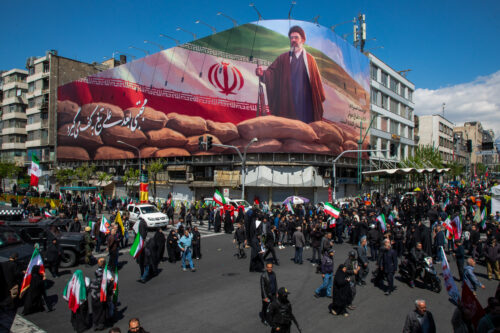
    بالنسبة لإيران، يمثل العراق عمقاً استراتيجياً وملاذاً سياسياً وشرياناً اقتصادياً في آن واحد. وستحدد نتائج الانتخابات العراقية التي جرت في 11 نوفمبر من سيتحكم في بغداد بزمام الميزانية والتعيينات الأمنية الداخلية واللجان التي يمكن أن تقنن أو تقيد الميليشيات العراقية المدعومة من إيران.

    قوة دولية لتحقيق الاستقرار في غزة
  • Policy Memo
  • قوة دولية لتحقيق الاستقرار في غزة

    The United States plans to submit a resolution on Gaza to the United Nations Security Council (UNSC) by the end of November. Reportedly, the latest draft endorses President Donald Trump’s 20-point plan, recognizes the Board of Peace (BoP) as a “transitional governance administration,” and authorizes the BoP to establish an International Stabilization Force (ISF). The UN resolution is a first step to achieving buy-in from potential ISF contributors. In turn, a viable ISF will be one key to moving beyond the cease-fire to securing the 20-point plan’s envisioned Hamas disarmament, further Israeli military withdrawal, and a path to Palestinian governance. The US faces several dilemmas as it seeks to transition from cease-fire to stabilization and beyond.