MENA Energy Recap, Q2-2026: Mideast Energy Confronts its Hormuz Era
The MENA Energy Recap is a quarterly review of key energy developments that took place in the region from April through June of 2026 and what they signal in the months ahead. The Recap views these developments through the lens of policy and strategy, energy security, and markets.
The Other MoU: Launching a Europe-Gulf Resilience Initiative After the US-Iran Deal
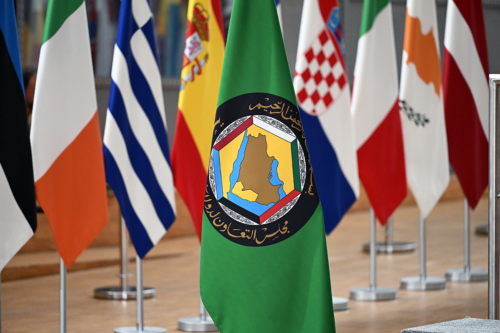
The Islamabad Memorandum of Understanding (MoU) between the United States and Iran may have ended one of the most consequential Middle Eastern crises in decades, but it has not resolved the strategic problem it exposed. Whether the 60-day talks it set in motion will produce a final agreement remains far from certain.Yet the central lessons are already clear: Iran has preserved significant leverage, Washington has had to scale back its ambitions, and Europe and the Gulf face the prospect of protracted regional tension. Europe and the Gulf should therefore use the aftermath of the US-Iran deal to articulate their own “other MoU”: a Europe-Gulf Resilience initiative.
When Will Energy Markets Recover From the Iran War?
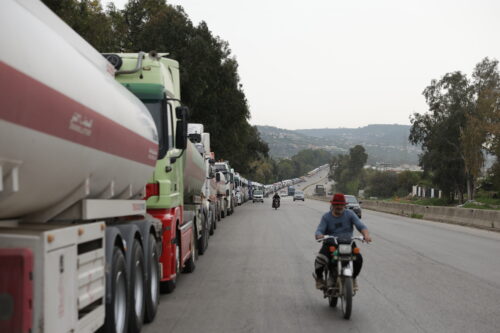
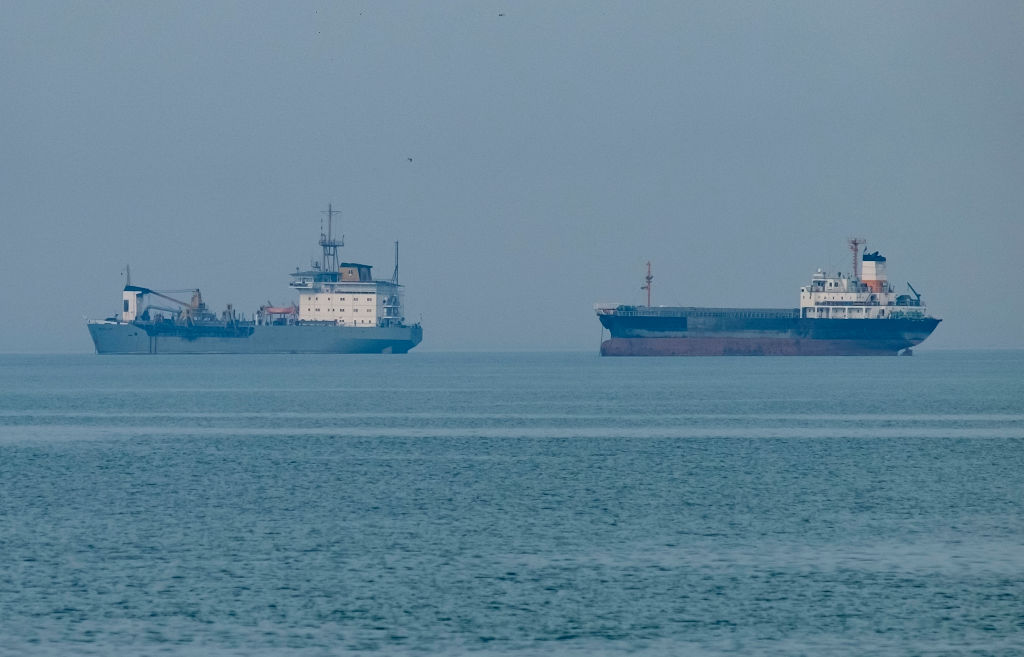
Two and a half months into the blockade of the Strait of Hormuz, what lessons can markets draw from the resulting global energy shock? Colby Connelly, MEI Senior Fellow, joins hosts Alistair Taylor and Matthew Czekaj to assess the crisis’s impact on the energy industry. Together, they examine how producers are responding to the conflict in both the short and long term, how this moment differs from past energy disruptions, and how regional reverberations may shape international energy policies going forward.
Water and Power: Egypt, Sudan, and Ethiopia at Odds Over Africa’s Largest Dam
In this episode of Middle East Focus, hosts Alistair Taylor and Matthew Czekaj are joined by MEI Senior Fellow Mirette F. Mabrouk to unpack the growing tensions over the recently inaugurated Grand Ethiopian Renaissance Dam (GERD) on the Nile.
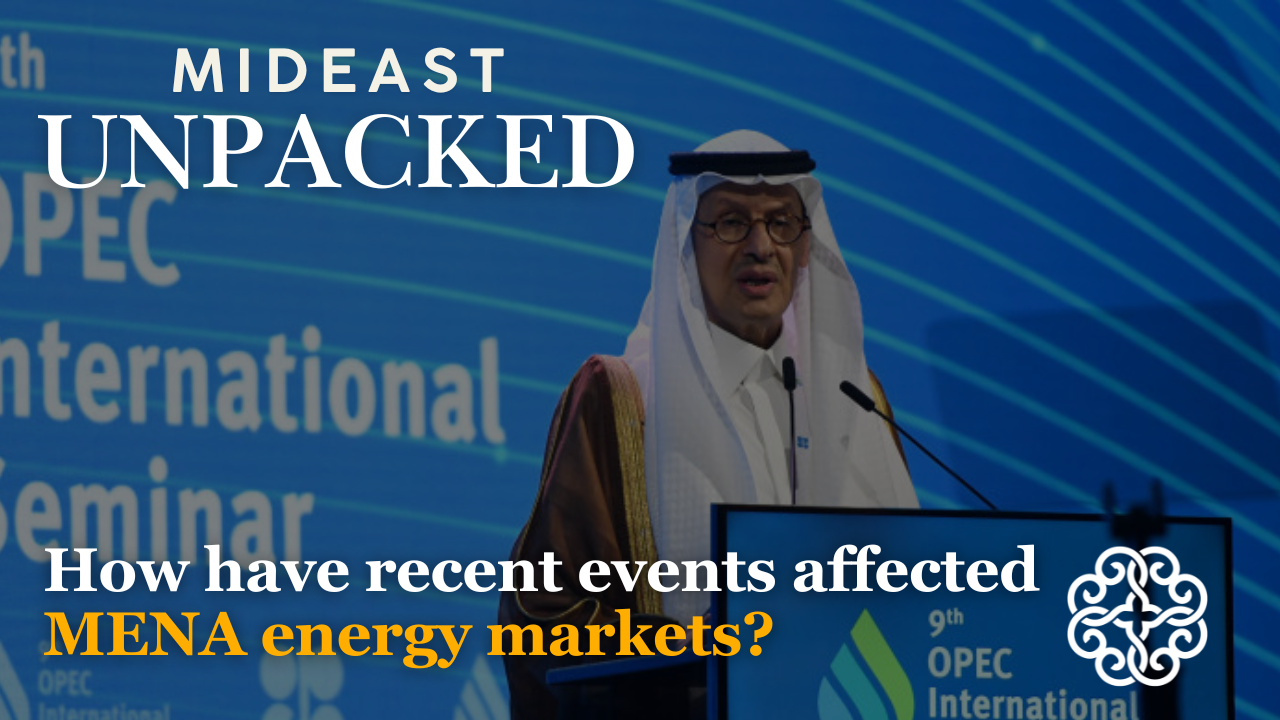
كيف أثرت الأحداث الأخيرة على أسواق الطاقة في منطقة الشرق الأوسط وشمال أفريقيا؟
يقول كولبي كونيلي، الباحث البارز في معهد الشرق الأوسط: "شهد النصف الأول من عام 2025 تقلبات شديدة في أسواق الطاقة العالمية". فقد أدت الحرب التي دامت 12 يوماً بين إسرائيل وإيران في يونيو الماضي إلى ارتفاع أسعار النفط مؤقتاً إلى 80 دولاراً للبرميل، في حين أن تزايد حالة عدم اليقين بشأن السياسة التجارية في عهد الرئيس ترامب قد أدى إلى تعقيد قرارات الاستثمار التي تتخذها الأطراف الفاعلة في الشرق الأوسط. ويحلل كونيلي هذه التطورات ويحدد النقاط التي يجب مراقبتها في الأشهر المقبلة.
مع اقتراب أيام الصيف الحارة في شهر أغسطس، يسعدنا أن نشارككم قائمة مختارة من الكتب الصيفية التي تضم بعضًا من الكتب المفضلة لدى نائب الرئيس لشؤون السياسات كين بولاك عن المنطقة. تغطي القائمة مجموعة متنوعة من الموضوعات المهمة والمثيرة للاهتمام، وتقدم توصيات لأي شخص مهتم بتعميق فهمه للشرق الأوسط.
MENA Energy Recap, Q2-2025: Markets Soften, Resolve Hardens, Investments Grow
The MENA Energy Recap is a quarterly review of key energy developments that took place in the region from April through June of 2025 and what they signal in the months ahead. The Recap views these developments through the lens of policy and strategy, energy security, and markets.
في مرمى النيران: كيف تقوض الحرب بين إيران وإسرائيل أجندة أردوغان
تهدد الحرب الشاملة التي تشنها إسرائيل على إيران بقلب الديناميات الإقليمية وتوازن تركيا الدقيق. ويشكل هذا الصراع تهديدات فورية ومخاطر استراتيجية طويلة الأمد لتركيا.
Near-term progress in a renewed nuclear agreement between the United States and Iran could add further downward pressure to a delicate oil market, potentially heralding more fiscal pain for Gulf oil producers and complicating US energy strategy.
MENA Energy Recap, Q1-2025: Tariffs and Sanctions Loom Large as Trump Returns
The MENA Energy Recap is a quarterly review of key energy developments that took place in the Middle East and North Africa region from January to March 2025 and what they signal for the months ahead. The Recap views these developments through the lenses of policy and strategy, energy security, and markets.
Amid regional upheaval, Turkey looks to energy to secure strategic autonomy
President Recep Tayyip Erdoğan has sought to position Turkey as an energy hub, connecting gas producers to its east and south and markets to the west. Turkey’s geographical position and infrastructure give it an advantage. But becoming an energy center also requires Ankara to dust off a long-abandoned foreign policy approach: “zero problems with neighbors” and the West. Amid changing regional dynamics, Ankara sees an opportunity to achieve that and revive its plans to become an energy hub.
Return to "maximum pressure": Opportunities and challenges
With the signing of a presidential memorandum on Feb. 4, the administration of Donald Trump has returned to a “maximum pressure” campaign against Iran, but circumstances have changed drastically since the policy of intensified sanctions was originally crafted during his first term. Regional geopolitics will present the White House with a new set of variables, while changes in the petroleum markets will affect how the administration approaches sanctions on oil exports.
تأثير الحرب الروسية الأوكرانية على تدفقات الطاقة من دول الخليج العربي
بعد مرور ما يقرب من ثلاث سنوات، أدى الغزو الروسي الشامل لأوكرانيا في فبراير 2022 إلى إعادة تشكيل التجارة والاستثمار في قطاع الطاقة، مما أدى إلى زيادة واردات الخليج من النفط الروسي وارتفاع حاد في صادرات المنطقة من الهيدروكربونات إلى أوروبا، فضلاً عن زيادة نمو استثمارات الخليج في مشاريع الطاقة المتجددة الموجودة في القارة والموجهة إليها.
Mapping MENA’s Renewable Energy Supply Chains: The Emergence of Green Energy Ecosystems in the Middle East and North Africa
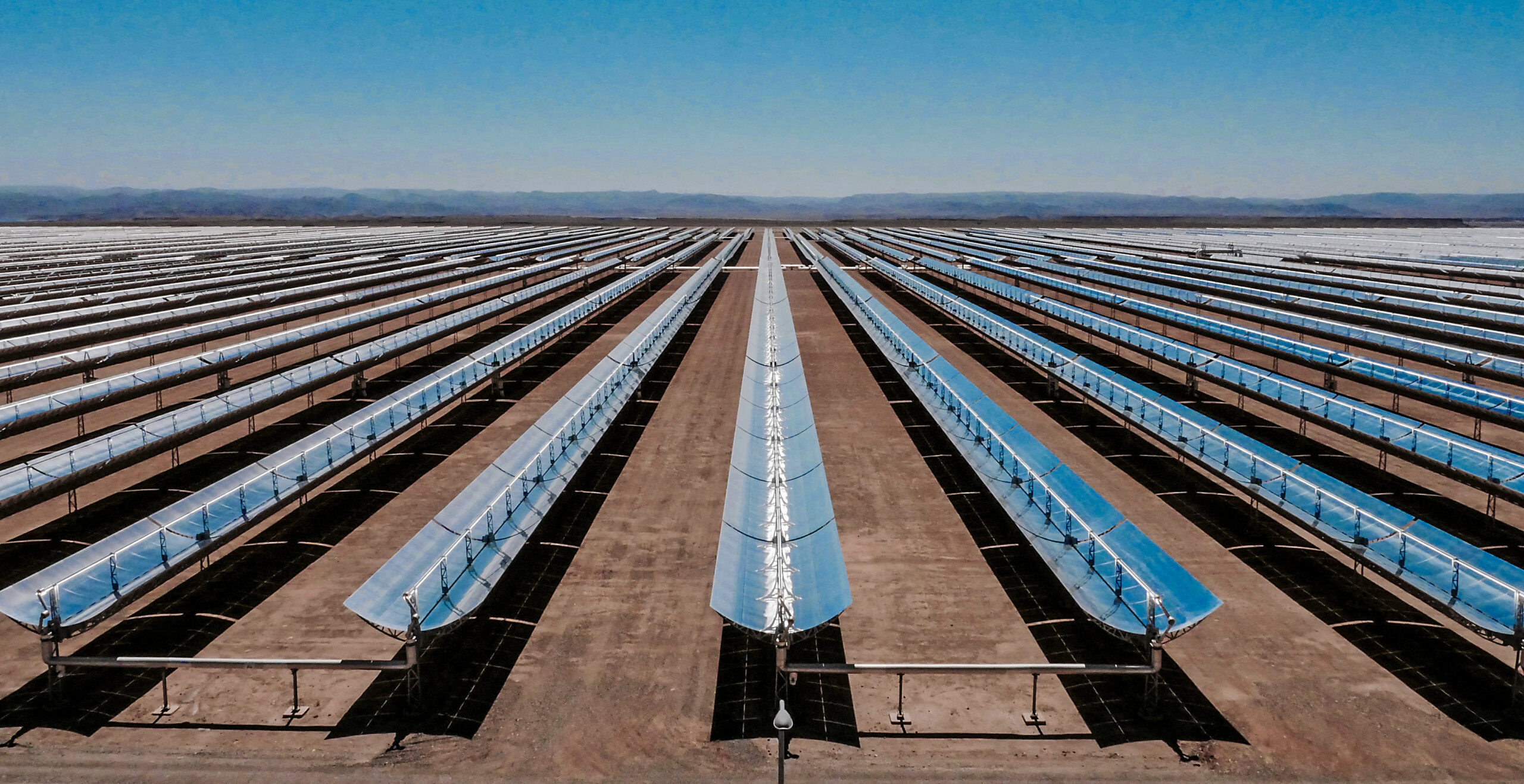
The Middle East and North Africa has the potential to become the world’s largest renewable energy-producing region. Compared to the immense scale of its resources, renewable energy is virtually untapped at present. This study maps the emerging regional trends in renewable energy development and MENA renewable energy supply chains across North Africa, the Arabian Peninsula, and the Levant. The most successful MENA nations in developing their renewable energy resources to date are doing so through the establishment of green energy ecosystems, in which the development of utility-scale renewable energy infrastructure is coordinated with that of robust offtake markets and the establishment of commercially viable storage and transportation mechanisms to service them.
Renewable Energy and Morocco’s New Green Industries Can Expand Women and Youth Employment through Sustainable Development
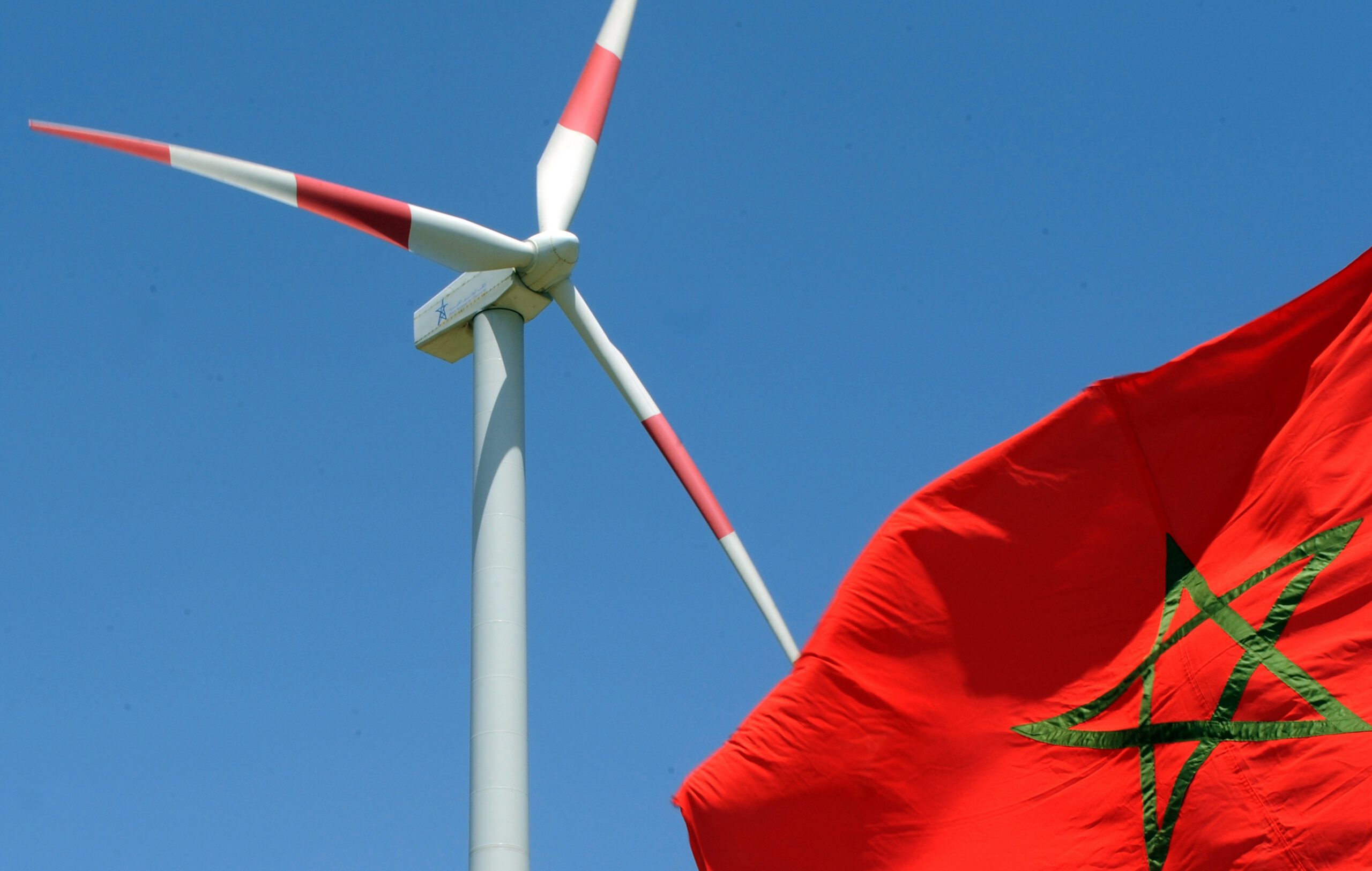
Morocco is a regional leader in renewable energy development. The country’s success stems from its multi-faceted green energy ecosystem that is giving rise to international renewable energy export supply chains based on production of green hydrogen, in the form of green am-monia, as well as phosphates, other minerals and metals, fertilizers, agri-food products, and electric vehicles. As rising green industrial manufacturing and green agricultural production are becoming drivers of long-term, private sector employment, a synergy is emerging between Mo-rocco’s efforts to expand its already significant renewable energy sector and its objective of in-creasing the number of women and young people engaged in formal employment.